

Working Principle and Features of Fine Chemical Powder Conveyors
Shandong HeadPowder Engineering Co., Ltd., a leading manufacturer in the field of powder handling technology, specializes in providing advanced solutions for the transportation and processing of fine chemicals. The company's expertise lies in developing efficient and reliable equipment tailored to the unique demands of the fine chemical industry.
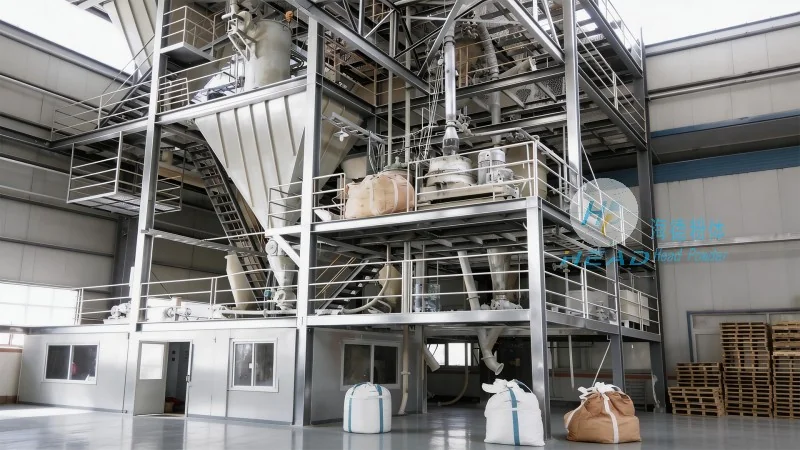
At the core of their product line is the fine chemical powder conveyor, an essential piece of machinery designed to handle powders with high precision and minimal contamination. This equipment is engineered to meet the stringent requirements of the fine chemical sector, where product purity and operational efficiency are paramount.
Working Principle of Fine Chemical Powder Conveyors
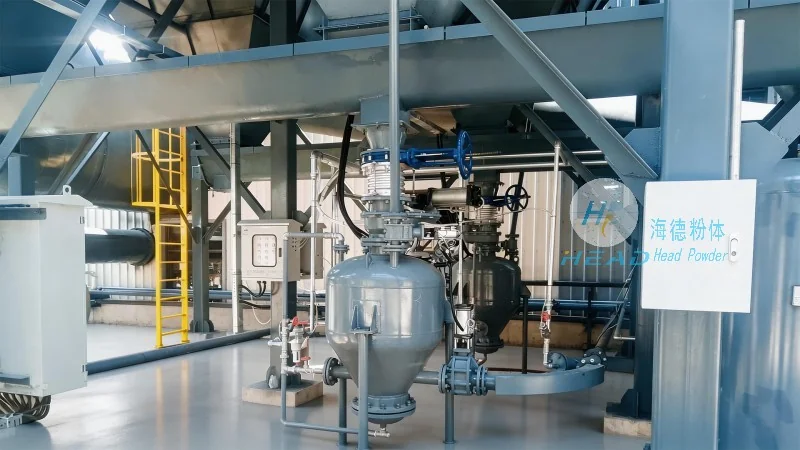
The operation of a fine chemical powder conveyor typically involves a combination of mechanical components working in harmony to ensure smooth material flow. The system generally consists of a hopper or feeding device that stores the powder, a conveyor mechanism (such as a screw, belt, or pneumatic system) that transports the material, and a control system that regulates the flow rate and pressure. The conveyor is designed to maintain a consistent and controlled flow of powder, preventing issues like clogging or agglomeration that can occur with traditional methods.
For fine chemicals, which often have low bulk density and are prone to static electricity, the conveyor incorporates features like anti-static coatings and gentle handling mechanisms. These features help to prevent material buildup and ensure that the powder remains in a free-flowing state throughout the transportation process. The control system may include sensors and feedback loops to adjust the conveyor speed or pressure in real-time, optimizing the flow based on the characteristics of the specific powder being handled.
Key Features of Fine Chemical Powder Conveyors
One of the primary features of these conveyors is their ability to handle powders with high accuracy and low contamination. The equipment is constructed from materials that are resistant to chemical corrosion, ensuring durability and longevity even when processing aggressive or sensitive chemicals. Additionally, the design minimizes the risk of cross-contamination between different batches of material, which is critical in pharmaceutical and specialty chemical applications.
Another notable feature is the flexibility in handling various powder types. The conveyor can be adapted to accommodate different particle sizes, moisture contents, and flow properties, making it suitable for a wide range of fine chemical products. This adaptability is achieved through adjustable components such as variable-speed drives, adjustable screw pitch, or interchangeable hopper designs.
Energy efficiency is also a key consideration in the design of fine chemical powder conveyors. The system is engineered to minimize energy consumption while maintaining optimal performance, which helps to reduce operational costs for the end-user. Advanced control systems may include energy-saving modes that activate during periods of low demand, further enhancing the overall efficiency of the equipment.
Applications and Benefits in the Fine Chemical Industry
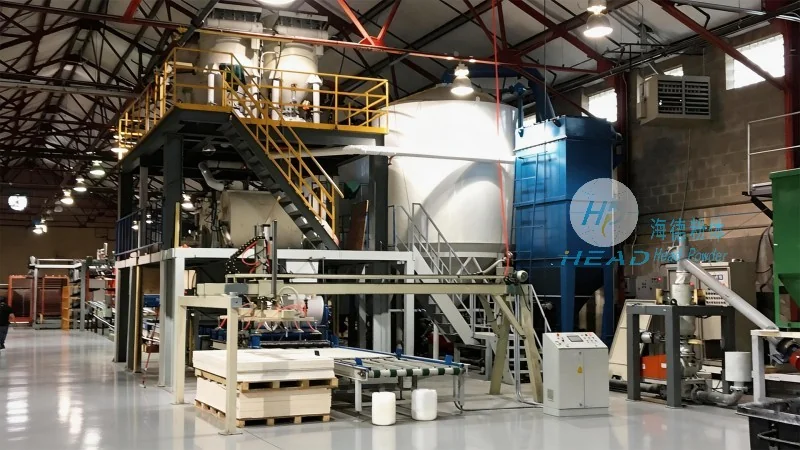
Fine chemical powder conveyors are widely used in various applications within the fine chemical sector, including pharmaceutical manufacturing, specialty chemical production, and food processing. In pharmaceutical plants, for example, these conveyors are used to transport active pharmaceutical ingredients (APIs) and excipients with extreme care, ensuring that the final product meets the highest purity standards. The gentle handling and low contamination risk of the equipment help to maintain the integrity of sensitive compounds.
In specialty chemical production, the conveyors are utilized to handle a diverse range of powders, from pigments and dyes to catalysts and additives. The ability to process these materials without degradation or loss of quality is crucial for maintaining product performance and consistency. The equipment's precision in controlling flow rates also supports accurate dosing and mixing processes, which are essential in chemical synthesis and formulation.
The benefits of using fine chemical powder conveyors extend beyond operational efficiency. By reducing the risk of material loss and contamination, these systems help to minimize waste and improve overall product yield. Additionally, the reliable and consistent performance of the equipment contributes to improved production throughput and reduced downtime, leading to higher productivity and cost savings for the manufacturer.