

Working Principle and Features of Monosodium Glutamate Material Pneumatic Conveying Equipment
Monosodium glutamate (MSG), a widely used flavor enhancer in the food industry, requires efficient and reliable material handling solutions for its production and processing. The pneumatic conveying equipment designed specifically for MSG materials plays a crucial role in ensuring smooth operations and maintaining product quality. This article delves into the working principle and key features of such equipment, providing insights into how it enhances industrial processes.
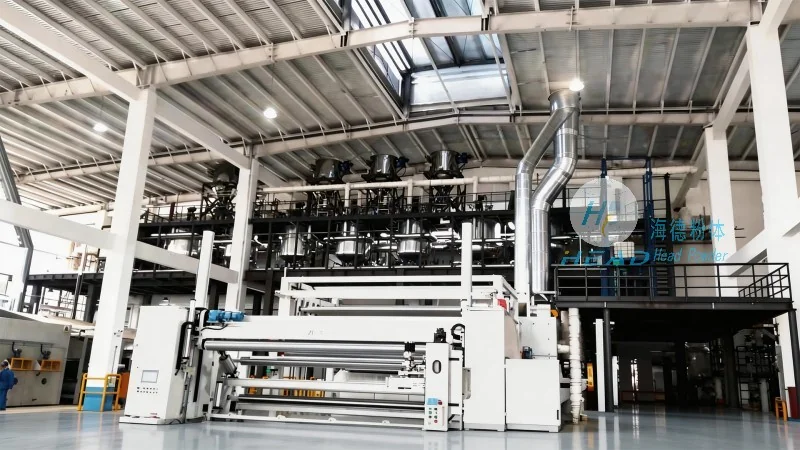
Introduction to Monosodium Glutamate Pneumatic Conveying Systems
HeadPowder, a leading manufacturer in the field, specializes in providing advanced pneumatic conveying solutions tailored to the unique needs of the MSG industry. The company, based in Shandong, China, combines years of expertise with cutting-edge technology to deliver equipment that meets the highest standards of efficiency, safety, and durability. This section introduces the fundamental aspects of the pneumatic conveying system used for handling MSG materials.
Working Principle of Monosodium Glutamate Pneumatic Conveying Equipment
The core of the pneumatic conveying system for MSG is the air-driven mechanism that transports granular or powdered materials through a pipeline. The process typically involves several key components: a feeding hopper, a rotary valve, a compressor, and a conveying line. The working principle can be broken down into the following steps:
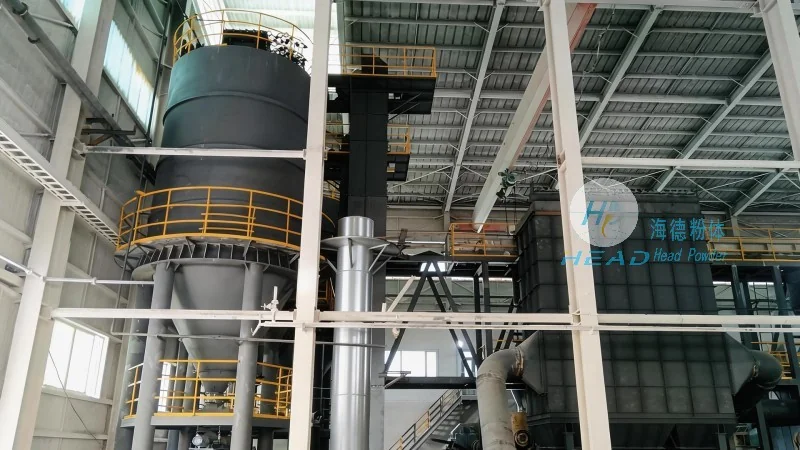
- Material Feeding: MSG powder or granules are fed into the hopper from the production line. The rotary valve controls the flow rate, ensuring a consistent and controlled discharge into the conveying line.
- Air Compression: A high-pressure air compressor generates the necessary airflow. This compressed air is introduced into the conveying line, creating a pressure differential that propels the material forward.
- Conveying Process: As the air flows through the pipeline, it entrains the MSG particles, forming a dense or dilute phase flow. The system can operate in either positive or negative pressure modes, depending on the specific application requirements.
- Discharge and Separation: At the receiving end, the material is separated from the air using a cyclone separator or a filter. The clean air is then discharged, while the MSG is collected in a storage or processing tank.
HeadPowder’s equipment is engineered to optimize each step of this process, minimizing material degradation and ensuring consistent product quality. The system’s design incorporates features such as adjustable air pressure, variable speed feeding, and automatic control mechanisms to adapt to varying production volumes and material characteristics.
Key Features and Advantages of Monosodium Glutamate Pneumatic Conveying Systems
When selecting a pneumatic conveying system for MSG, several key features and advantages should be considered. These attributes not only enhance operational efficiency but also contribute to cost savings and improved product safety:
- Low Material Abrasion: The smooth interior surfaces of the conveying pipes and components reduce wear and tear on the MSG particles, preserving their quality and preventing contamination.
- Hygienic Design: HeadPowder’s equipment is constructed with food-grade materials and easy-to-clean surfaces, complying with industry hygiene standards. This is critical for maintaining the purity of MSG, which is used in food applications.
- Energy Efficiency: Advanced compressor technology and optimized airflow management reduce energy consumption compared to traditional mechanical conveying methods. This leads to lower operational costs and a smaller environmental footprint.
- Flexible System Integration: The pneumatic conveying system can be easily integrated with existing production lines, allowing for seamless material transfer from one stage to another. This flexibility supports scalable operations and adaptability to changing production needs.
- Reduced Downtime: With automated control systems and minimal moving parts, the equipment experiences fewer mechanical failures, resulting in lower maintenance requirements and extended operational uptime.
These features collectively make the pneumatic conveying system an ideal choice for MSG manufacturers seeking reliable, efficient, and cost-effective material handling solutions. By leveraging HeadPowder’s expertise, companies can enhance their production processes while maintaining the highest standards of product quality and safety.
Conclusion and Application in the Food Industry
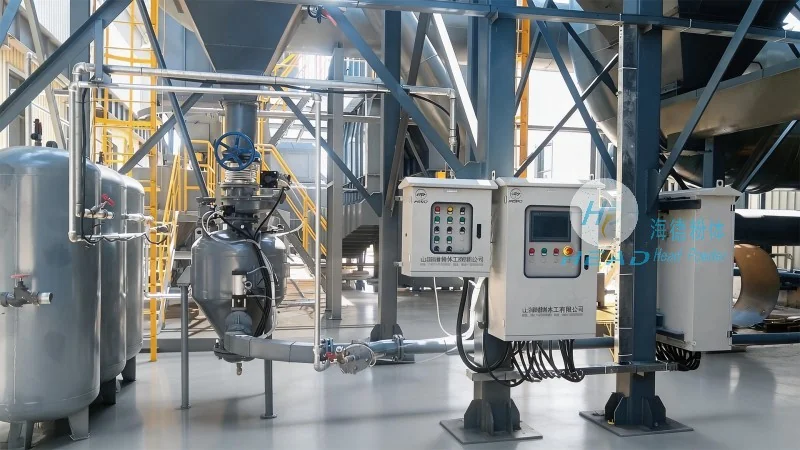
Monosodium glutamate pneumatic conveying equipment, as exemplified by the solutions from Shandong HeadPowder Engineering Co., Ltd., represents a sophisticated approach to material handling in the food industry. The combination of a clear working principle and advanced features ensures that MSG materials are transported safely and efficiently, supporting the overall productivity and quality of MSG production facilities.
For businesses in the MSG sector, investing in such specialized equipment is a strategic decision that pays off through improved operational performance, reduced costs, and enhanced product integrity. HeadPowder’s commitment to innovation and quality makes them a trusted partner for companies seeking to optimize their material handling processes and stay competitive in the market.