

Principles and Application Characteristics of Petroleum Coke Powder Pneumatic Conveying
HeadPowder, a leading engineering company based in Shandong, China, specializes in advanced material handling solutions, particularly focusing on the pneumatic conveying of petroleum coke powder. This article delves into the fundamental principles of this technology and explores the key characteristics of its operational scenarios.
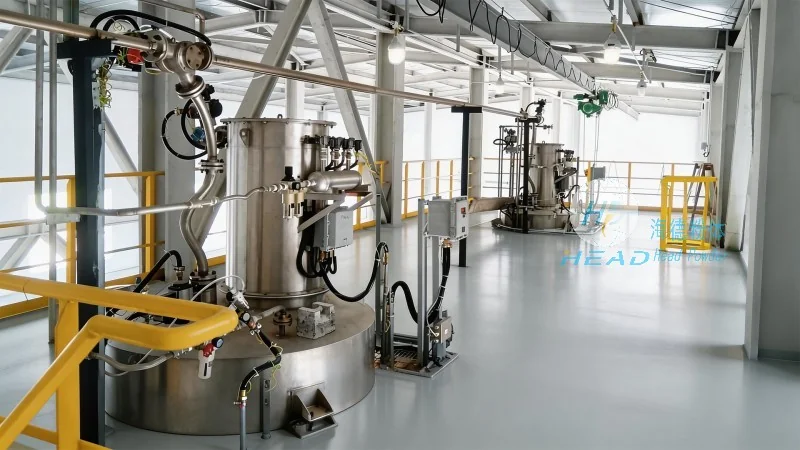
Pneumatic Conveying Fundamentals for Petroleum Coke Powder
Pneumatic conveying is a method of transporting bulk materials, such as petroleum coke powder, through a pipeline using a gas stream, typically air. The process involves several core components and mechanisms that ensure efficient material movement. At its core, the system operates by creating a pressure differential between the inlet and outlet of the pipeline. A fan or blower generates the necessary airflow, which draws the powder particles into the pipeline and propels them to the destination. The design of the conveying system, including the type of airlock feeders, cyclone separators, and pipeline layout, is critical to maintaining the efficiency and stability of the process. Key principles include maintaining a consistent air velocity to prevent particle settling or blockages, controlling the pressure and flow rate to match the material's characteristics, and ensuring proper filtration to protect equipment and maintain air quality. The selection of appropriate equipment, such as rotary valves, pulse jet filters, and pressure vessels, is essential for optimizing performance and minimizing downtime.
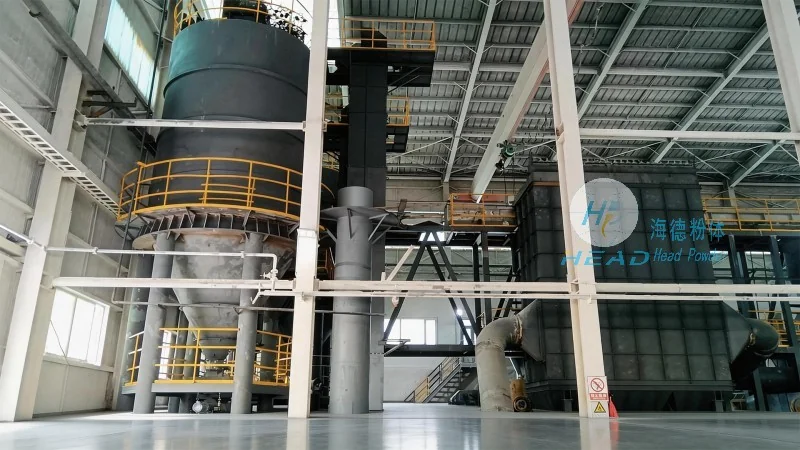
Key Operational Characteristics of Petroleum Coke Powder Pneumatic Conveying
The operational characteristics of petroleum coke powder pneumatic conveying systems are defined by several critical factors that influence performance, reliability, and efficiency. First, the material's physical properties, including particle size distribution, density, and moisture content, significantly impact the conveying process. Larger or irregularly shaped particles may require higher air velocities or more robust equipment to prevent clogging. Moisture content can affect the material's flowability and may necessitate additional drying steps or modified system design. Second, the system's pressure and flow rate are carefully calibrated to match the material's specific gravity and the required conveying distance. Higher pressures are often needed for longer distances or when dealing with more challenging materials. Third, the system's design must account for the potential for dust generation and the need for effective filtration to comply with environmental regulations and protect personnel. Cyclone separators and baghouse filters are commonly used to capture fine particles, ensuring that the air discharged is clean and the material is not lost. Fourth, the system's flexibility and adaptability are important operational characteristics. Many modern systems are equipped with variable speed drives and control systems that allow for adjustments in response to changes in material feed rate or pipeline conditions. This adaptability helps maintain consistent performance and reduces the risk of system failures. Finally, the reliability and maintenance requirements of the equipment are crucial operational characteristics. Regular maintenance, including cleaning of filters, checking fan performance, and inspecting pipeline integrity, is essential to prevent breakdowns and ensure long-term operation. The use of durable materials, such as stainless steel for high-temperature or corrosive applications, also contributes to the system's reliability.
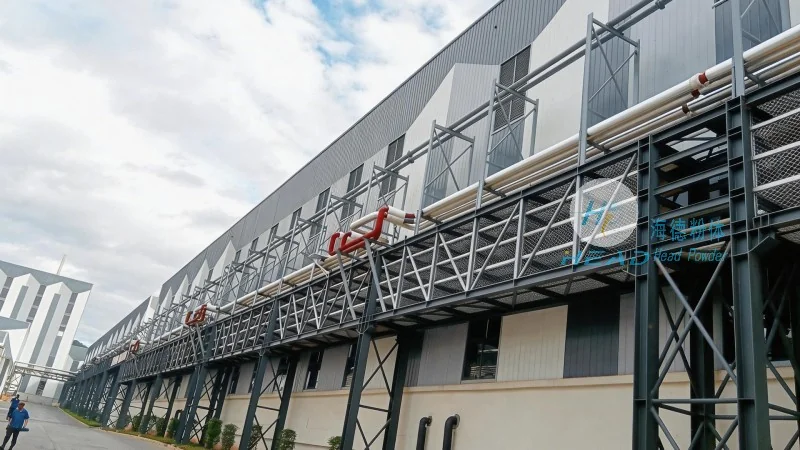
Application Scenarios and Industry Use Cases
Petroleum coke powder pneumatic conveying systems are widely used in various industrial applications due to their efficiency and ability to handle bulk materials in a controlled manner. One primary application is in the petrochemical industry, where petroleum coke is a byproduct of the coking process used to produce high-quality coke for steelmaking. The pneumatic conveying system is used to transport coke from the coking unit to storage silos or processing facilities. This method is preferred over traditional methods, such as belt conveyors or trucks, as it reduces dust exposure, improves safety, and minimizes material loss. Another key application is in the production of electrodes for the aluminum industry. Petroleum coke is a critical raw material for electrode manufacturing, and pneumatic conveying is used to transport it from storage to the electrode production line. The system's ability to handle large volumes of material quickly and with minimal contamination is essential for maintaining production efficiency. Additionally, in the power generation sector, petroleum coke is used as a fuel in some power plants. Pneumatic conveying systems are employed to transport the coke from storage to the boiler or furnace, ensuring a continuous and reliable fuel supply. The system's design must account for the high temperatures and corrosive nature of the fuel, requiring specialized materials and components. In the chemical industry, petroleum coke is used as a raw material for producing carbon black and other chemicals. Pneumatic conveying is used to transport the coke to the chemical processing units, where it is further processed. The system's ability to handle fine particles and maintain purity is important for the quality of the final products. Finally, in the recycling and waste management industry, petroleum coke powder is sometimes used as a fuel or raw material in waste-to-energy facilities. Pneumatic conveying systems are used to transport the material from storage to the processing plant, contributing to the efficient management of waste and the generation of energy.