

Principle and Working Scene Features of Light Calcium Gypsum Pneumatic Conveying Systems
Light calcium gypsum, also known as light calcium carbonate, is a widely used industrial material in various sectors such as construction, plastics, and coatings. The efficient and reliable transportation of this material from production sites to processing or packaging areas is crucial for maintaining production efficiency and product quality. Pneumatic conveying systems offer a solution to this challenge by utilizing air to transport the material, eliminating the need for mechanical components that may cause contamination or wear. This article, presented by Shandong HeadPowder Engineering Co., Ltd., located in Shandong, China, explores the fundamental principles of light calcium gypsum pneumatic conveying systems and highlights the key characteristics of their working environments.
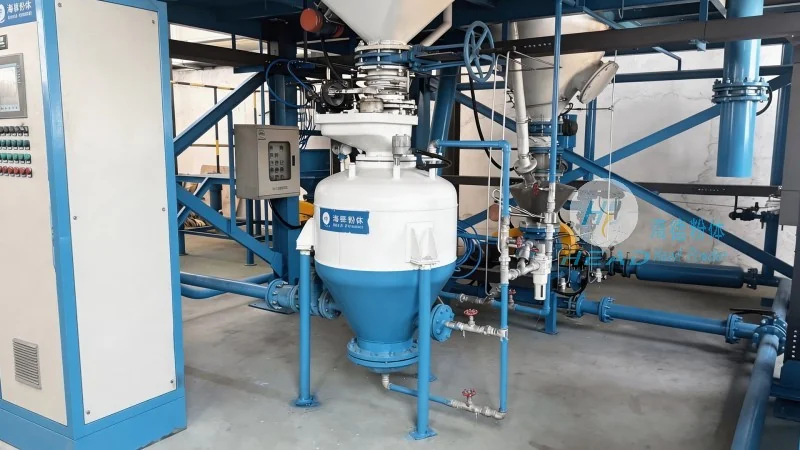
Principle of Pneumatic Conveying
The core principle of pneumatic conveying involves the use of compressed air to move bulk materials through a pipeline. In the case of light calcium gypsum, the system typically operates under positive pressure, where air is forced through the material to create a flow. The process begins with the material being fed into a hopper or feeder, which ensures a consistent supply to the conveying line. The air, often supplied by a blower or compressor, is introduced at the inlet of the pipeline, creating a pressure differential that propels the material forward. The system includes several critical components: a feeding device to control the material flow, a conveying pipeline to transport the material, a separation unit to separate the material from the air, and a collection device to store the material. The design of these components is tailored to the specific properties of light calcium gypsum, such as its fine particle size and low bulk density, which can affect the conveying efficiency and system performance.
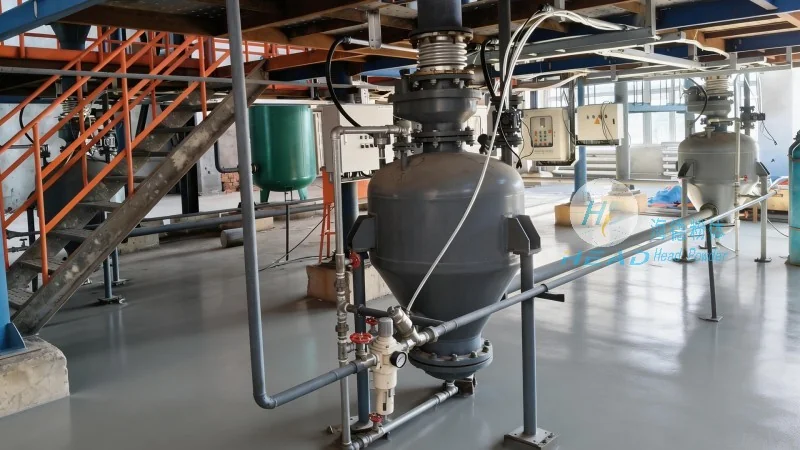
Key Components and Their Functions
Each component of the light calcium gypsum pneumatic conveying system plays a vital role in ensuring smooth operation. The feeding device, often a rotary valve or a screw feeder, regulates the amount of material entering the system, preventing overloading or underloading that could lead to blockages or reduced efficiency. The conveying pipeline is usually made of stainless steel or other corrosion-resistant materials to withstand the chemical properties of light calcium gypsum and to maintain hygiene standards. The pipeline design, including the use of bends and straight sections, is optimized to minimize pressure drop and ensure consistent flow. The separation unit, typically a cyclone or a bag filter, separates the material from the air by utilizing centrifugal force or filtration. The collected material is then transferred to a storage silo or a packaging unit, while the air is either filtered and recirculated or vented to the atmosphere. The control system, which may include sensors and a programmable logic controller (PLC), monitors the system parameters such as pressure, flow rate, and material level, allowing for real-time adjustments to maintain optimal performance.
Working Scene Characteristics
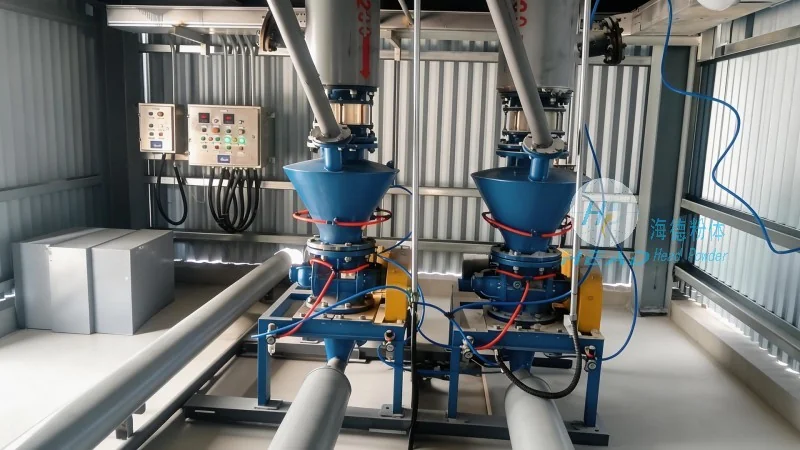
The working environment of light calcium gypsum pneumatic conveying systems varies depending on the application and the scale of the operation. In industrial settings, such as large-scale production facilities or processing plants, the system is often integrated into a larger production line, where it connects the production area to the packaging or storage area. The system is designed to handle high volumes of material, with conveying rates that can range from several tons per hour to over 100 tons per hour, depending on the system configuration. The working environment is typically characterized by high efficiency and low maintenance requirements, as the pneumatic system eliminates the need for mechanical conveyors that may require frequent cleaning and maintenance. Additionally, the system is often installed in enclosed spaces to minimize dust emissions and to comply with environmental regulations. The working scene may also include multiple conveying lines that feed different processing units, such as a coating plant or a plastic manufacturing facility, where the light calcium gypsum is used as an additive. The system's flexibility allows for the integration of multiple feeding points and collection points, enabling the efficient distribution of the material across the production site.
Advantages and Applications
Light calcium gypsum pneumatic conveying systems offer several advantages over traditional mechanical conveying methods. The primary advantage is the ability to transport material in a clean and hygienic manner, which is essential for industries where product purity is critical, such as food processing or pharmaceuticals. The system also reduces the risk of material contamination, as it does not involve direct contact with mechanical parts. Another advantage is the high efficiency and low energy consumption, as the system can transport material over long distances with minimal pressure loss. The system is also flexible and can be easily modified to accommodate changes in production volume or material type. The applications of light calcium gypsum pneumatic conveying systems are diverse and include the transportation of light calcium gypsum from mines to processing plants, from production lines to packaging facilities, and from storage silos to mixing units. The system is particularly suitable for applications where the material is sensitive to moisture or where dust control is a priority.