

Principles and Working Scene Characteristics of Automatic Continuous Pneumatic Conveying Equipment
Automatic continuous pneumatic conveying equipment represents a sophisticated solution for material handling in various industrial applications. This technology leverages the principles of air flow to transport bulk materials efficiently and reliably. The core mechanism involves the use of a pressurized or vacuum system to move particles through a pipeline, eliminating the need for traditional mechanical components like belts or buckets. This approach not only enhances operational efficiency but also reduces maintenance requirements, making it an attractive option for industries dealing with diverse bulk materials.
Principles of Operation
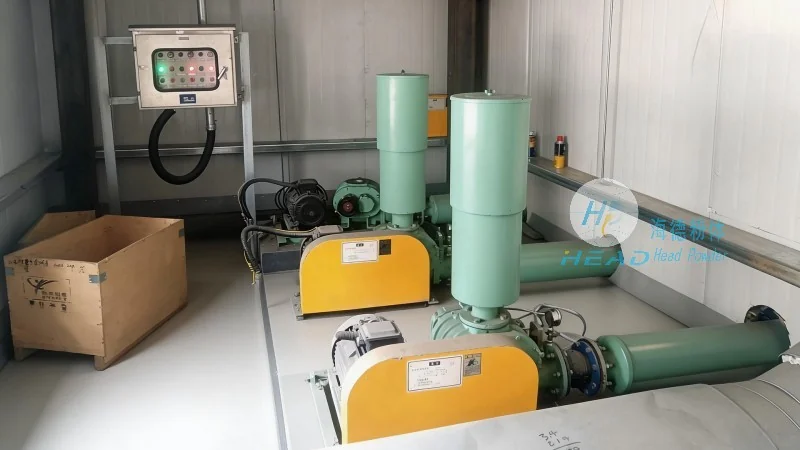
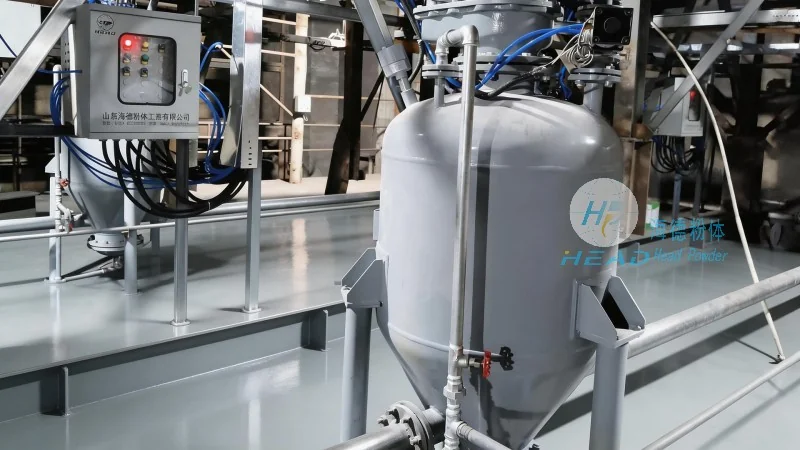
The fundamental principle of pneumatic conveying is the creation of a pressure differential that propels material through a sealed system. In a typical setup, a blower or compressor generates the necessary air pressure, which is then directed into a hopper containing the material. As air flows through the material, it lifts and transports the particles to the discharge point. The design of the conveying line, including the diameter of the pipe, the angle of inclination, and the type of air valves, plays a crucial role in optimizing the flow rate and preventing blockages. For continuous operation, the system is often equipped with a hopper that feeds material into the pipeline at a controlled rate, ensuring a steady flow. The use of air as the conveying medium allows for the transport of materials that are difficult to handle mechanically, such as powders, granules, and even fine particles, without the risk of contamination or degradation. There are two primary types of pneumatic conveying systems: positive pressure and negative pressure. Positive pressure systems operate by forcing air through the material, creating a pressure higher than the ambient air, which pushes the material forward. This method is suitable for short to medium distances and is commonly used in applications where the material is non-abrasive and requires a high flow rate. Negative pressure systems, on the other hand, create a vacuum in the pipeline, drawing material from the hopper into the system. This approach is ideal for longer distances and for materials that are sensitive to pressure changes, as it maintains a lower pressure environment. Both systems are designed to handle different material characteristics and operational requirements, providing flexibility in application.
Key Working Scene Characteristics
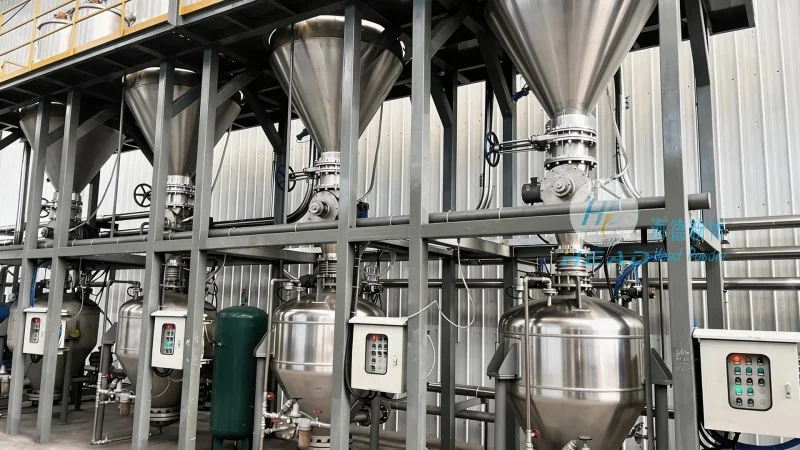
The application of automatic continuous pneumatic conveying equipment is characterized by several distinct features that make it suitable for specific industrial environments. Firstly, its ability to handle a wide range of materials, from fine powders to bulk granules, makes it versatile across sectors like food processing, pharmaceuticals, and chemical manufacturing. The enclosed system ensures that the material remains clean and free from external contaminants, which is critical in industries where product purity is paramount. For instance, in the food industry, pneumatic conveying is used to transport ingredients like flour, sugar, and spices without cross-contamination, maintaining the quality and safety standards required by regulatory bodies. Secondly, the continuous nature of the operation allows for a steady and consistent flow of material, reducing downtime and improving production throughput. This is particularly beneficial in high-volume manufacturing processes where uninterrupted material supply is essential, such as in the production of cement, where raw materials need to be delivered to the kiln at a constant rate. Additionally, the system's compact design and minimal space requirements make it adaptable to both new and existing facilities, providing flexibility in plant layout and expansion. In pharmaceutical manufacturing, where space is often limited due to stringent safety and regulatory requirements, the compact nature of pneumatic conveying systems allows for efficient use of available space without compromising on performance. The enclosed and dust-free operation also contributes to a safer working environment, reducing the risk of respiratory issues among workers handling powders.