

The Principle and Working Scene Characteristics of Rice Flour Pneumatic Conveying Lines
Rice flour, as a critical component in various food products, demands efficient and hygienic handling during processing. Pneumatic conveying lines provide a reliable method for transporting rice flour from storage to production stages, minimizing contamination risks and preserving product quality. This article examines the core principles of rice flour pneumatic conveying systems and highlights the key characteristics of their operational environments, with insights from Shandong HeadPowder Engineering Co., Ltd., a leading manufacturer based in Shandong, China.
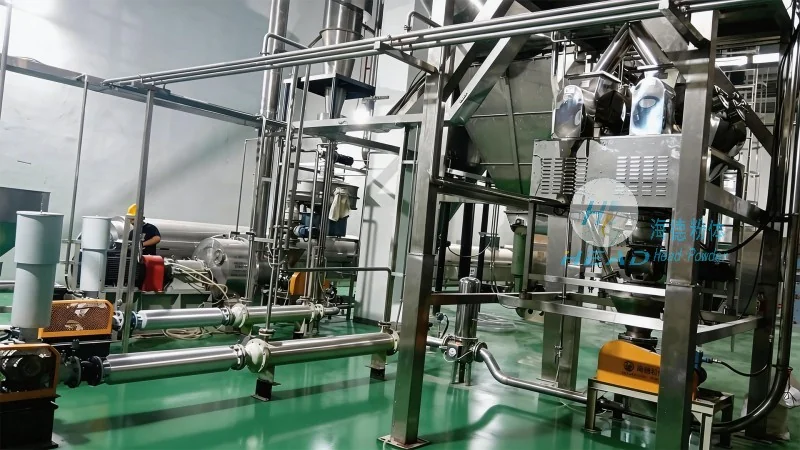
The Working Principle of Pneumatic Conveying for Rice Flour
Pneumatic conveying leverages air as the primary medium to move particulate materials like rice flour through a network of pipes. Two main system types exist: suction (vacuum) and pressure (positive) conveying. In suction systems, a vacuum is created at the inlet to draw rice flour from a source—such as a hopper or storage bin—into the conveying line. This approach is well-suited for short to medium distances and when the material must be elevated from a lower to a higher level. Conversely, pressure systems use compressed air to push rice flour from a storage vessel through the pipeline, ideal for longer distances and when the material needs to be elevated from a lower to a higher position. The system's efficiency depends on factors like air velocity, pipe diameter, and the physical properties of the rice flour—including particle size, moisture content, and bulk density.
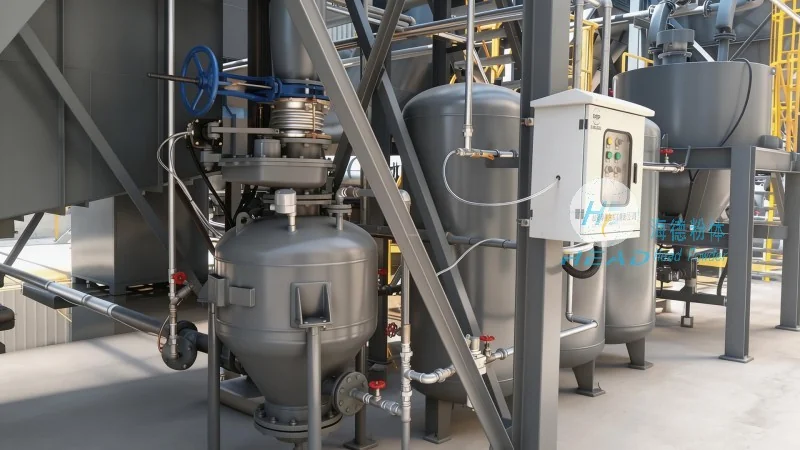
Key Features of Working Scenes for Rice Flour Pneumatic Conveying
The operational scenes for rice flour pneumatic conveying are predominantly found in food processing facilities, where maintaining hygiene and preventing dust contamination is a top priority. These scenes typically integrate the conveying line with other production equipment, such as mixers, dryers, or packaging machines. The system design must accommodate specific production line requirements, including the distance between equipment, elevation changes, and the volume of material to be transported. Additionally, the system must incorporate proper filtration and dust collection to comply with environmental and health regulations. Automation is a critical element in modern operational scenes, with sensors and control systems monitoring air pressure, flow rates, and material levels to ensure smooth, continuous operation.
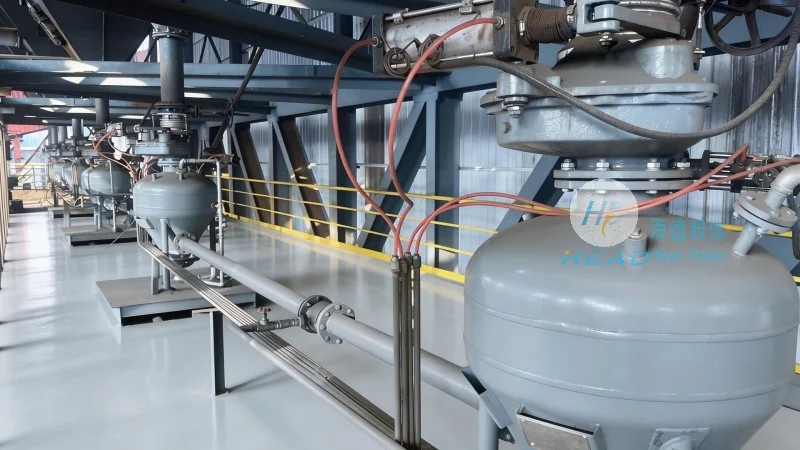
Application Scenarios in Food Processing Facilities
Common application scenarios for rice flour pneumatic conveying include: (1) transporting raw rice flour from bulk storage to the production line, ensuring a consistent supply of ingredients; (2) moving intermediate products from mixing or grinding stages to drying or packaging units, maintaining product quality; and (3) handling finished rice flour during packaging, where the system must deliver material to filling machines without compromising purity. Each scenario requires a tailored system design, as rice flour's light weight and tendency to create dust necessitate specialized equipment to prevent clogging and ensure reliable performance.
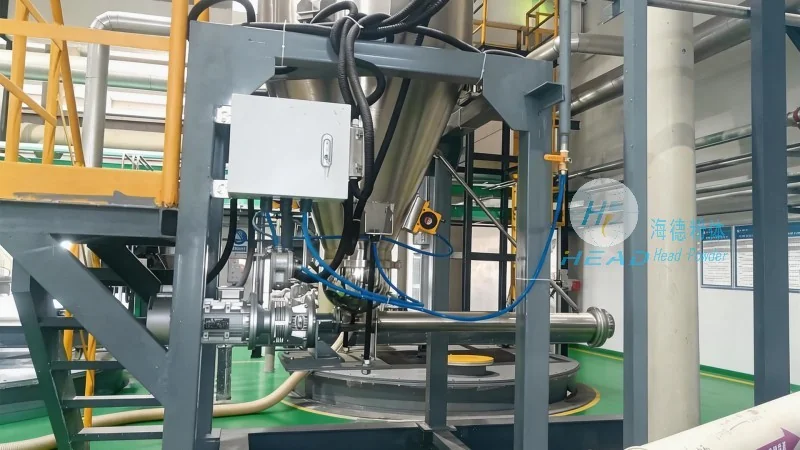
How Shandong HeadPowder Engineering Co., Ltd. Addresses Industry Needs
Shandong HeadPowder Engineering Co., Ltd., a reputable company based in Shandong, China, specializes in designing, manufacturing, and installing pneumatic conveying systems for the food industry. The company recognizes the unique challenges of handling rice flour, including its hygroscopic nature and the need for strict sanitary standards. Their solutions are engineered to meet these demands, featuring food-grade materials, sealed systems to prevent contamination, and efficient air management to reduce energy consumption. By collaborating with clients to understand their specific operational needs, HeadPowder provides customized pneumatic conveying lines that enhance productivity, reduce downtime, and ensure compliance with industry regulations. The company's commitment to quality and innovation has established it as a trusted partner for food processing facilities seeking reliable and efficient material handling solutions.