

Principle and Working Scene Characteristics of Spices Pneumatic Conveying Lines
Spices pneumatic conveying lines are advanced industrial equipment designed to transport various types of spices and similar bulk materials efficiently and hygienically. Understanding the underlying principles and typical working scenarios is crucial for selecting the right system for specific applications. This article explores the core mechanisms of these systems and highlights key characteristics of their operational environments.
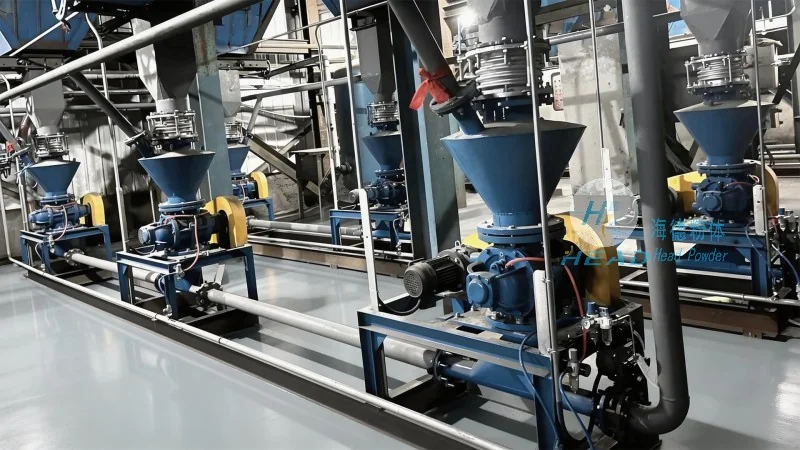
Overview of Spices Pneumatic Conveying Systems
At the heart of spices pneumatic conveying lines is a closed-loop system that uses compressed air or other gases to move materials from a source to a destination. The system typically consists of several key components, including a hopper for material storage, a conveyor line (often a pipeline), a blower or air compressor to generate the necessary airflow, and a receiver or discharge unit. These components work in tandem to ensure the smooth and controlled movement of spices, minimizing product degradation and maintaining high levels of hygiene throughout the process.
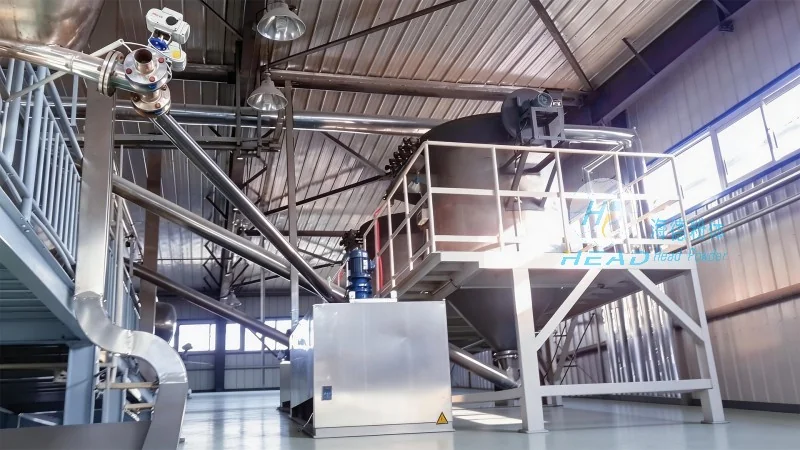
The Working Principle of Pneumatic Conveying
The fundamental principle of pneumatic conveying is the use of air to create a pressure differential that propels the material through the pipeline. There are two main types of pneumatic conveying systems: dilute-phase and dense-phase. Dilute-phase systems operate at higher air velocities, allowing particles to be suspended in the air stream and transported quickly over long distances. Dense-phase systems, on the other hand, use lower air velocities and higher material concentrations, which is ideal for transporting delicate or sensitive spices that require gentler handling. The choice between these systems depends on factors such as the material's properties, the distance to be covered, and the desired flow rate.
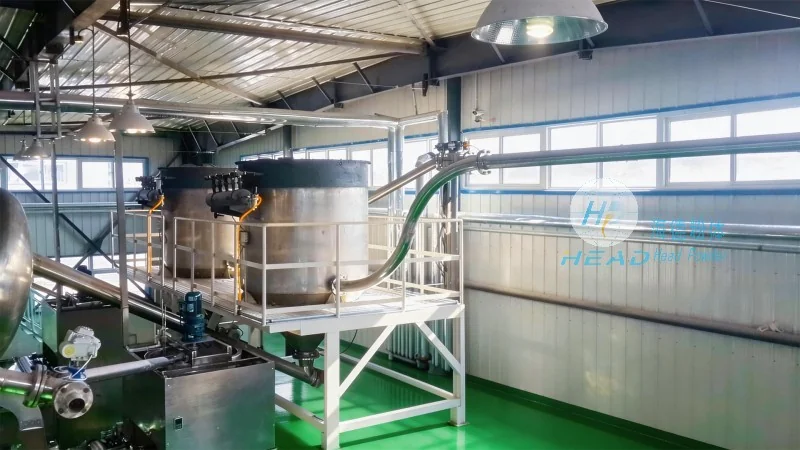
Key Working Scene Characteristics
The working scene characteristics of spices pneumatic conveying lines vary based on the specific application and operational environment. Some of the most common characteristics include:
- Hygienic and Sanitary Design: Given that spices are often used in food processing industries, the conveying systems must adhere to strict hygiene standards. This includes smooth, easy-to-clean surfaces, sealed connections to prevent contamination, and materials that are resistant to corrosion and bacterial growth. The design ensures that the product remains uncontaminated from the source to the final destination.
- Efficient Material Handling: The systems are engineered to handle a wide range of spice types, from fine powders like cumin or paprika to larger granules like black pepper or coriander seeds. The ability to handle different particle sizes and densities makes these lines versatile for various production needs. The efficient handling reduces labor costs and increases production throughput, which is critical in high-volume spice processing facilities.
- Low Maintenance and Durability: Modern pneumatic conveying lines are built with durable materials such as stainless steel and high-quality plastics to withstand the abrasive nature of spices and the constant pressure of air flow. This reduces the need for frequent maintenance and ensures long-term reliability. The systems are also designed with easy access to components, making routine checks and repairs more manageable, which minimizes downtime in busy production environments.
- Energy Efficiency: Advanced systems incorporate energy-saving features, such as variable frequency drives (VFDs) for the blower, which adjust the air flow based on the actual demand. This not only reduces energy consumption but also extends the lifespan of the equipment by preventing excessive wear and tear. Energy efficiency is a key consideration for companies looking to optimize their operational costs while maintaining high performance.
Application Scenarios in the Spice Industry
Spices pneumatic conveying lines are widely used in various stages of the spice processing and distribution chain. Some typical working scenes include:
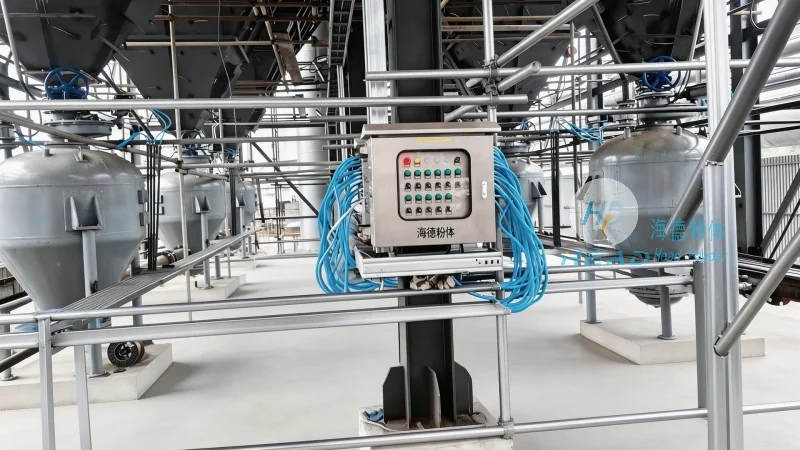
- Raw Material Handling: At the initial stage of spice processing, raw spices are often received in bulk and need to be transferred from storage silos or trucks to processing equipment. Pneumatic conveying systems provide a clean and efficient way to move these materials without manual handling, which reduces the risk of contamination and improves safety in the workplace.
- Processing and Packaging: During the processing phase, spices may undergo grinding, sorting, or blending. The conveying lines are used to transport the processed spices to packaging machines or storage containers. The gentle handling ensures that the spices retain their flavor and quality, which is essential for maintaining product consistency and meeting consumer expectations.
- Storage and Distribution: After processing, spices are often stored in large silos or containers before being shipped to customers. Pneumatic conveying systems can efficiently transfer the spices from the processing line to the storage facilities and then to the distribution centers. This seamless integration of handling and storage ensures a smooth supply chain operation, reducing the time and effort required for manual transfers.
Conclusion
Spices pneumatic conveying lines represent a sophisticated solution for the efficient and hygienic handling of bulk spice materials. By understanding the working principles and key characteristics of these systems, companies can select the most appropriate equipment for their specific needs, ensuring optimal performance, product quality, and operational efficiency. As a leading provider in this field, Shandong HeadPowder Engineering Co., Ltd. specializes in designing and manufacturing customized pneumatic conveying solutions tailored to the unique requirements of the spice industry, helping businesses enhance their production processes and maintain a competitive edge in the market.