

Principle and Working Scene Characteristics of Pneumatic Conveying Systems for Positive Electrode Ma
Welcome to Shandong HeadPowder Engineering Co., Ltd., a leading provider of advanced material handling solutions. Our company specializes in the design, manufacturing, and installation of pneumatic conveying systems tailored for the processing of positive electrode materials in lithium-ion battery production. This article explores the fundamental principles of these systems and highlights the key characteristics of their operational environments.
Understanding the Core Principle of Pneumatic Conveying for Positive Electrode Materials
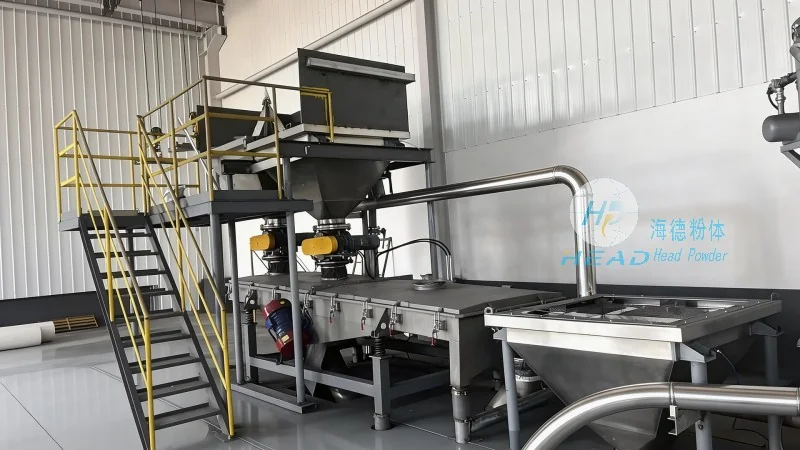
Pneumatic conveying systems utilize the force of compressed air to transport bulk materials, such as positive electrode powders, from one location to another. The technology operates on the principle of creating a pressure differential between the material feed point and the discharge point. By introducing high-pressure air into the conveying line, the system generates a flow that lifts and propels the material particles through the pipeline. This method eliminates the need for mechanical components like belts or buckets, reducing maintenance requirements and enhancing operational efficiency. The system typically consists of several key components, including a material hopper, a rotary valve for controlled feeding, a conveying pipe, and a receiver for material discharge. The compressed air is supplied by a blower or compressor, which ensures a consistent flow rate to maintain material transport stability.
Key Working Scene Characteristics of Pneumatic Conveying Systems
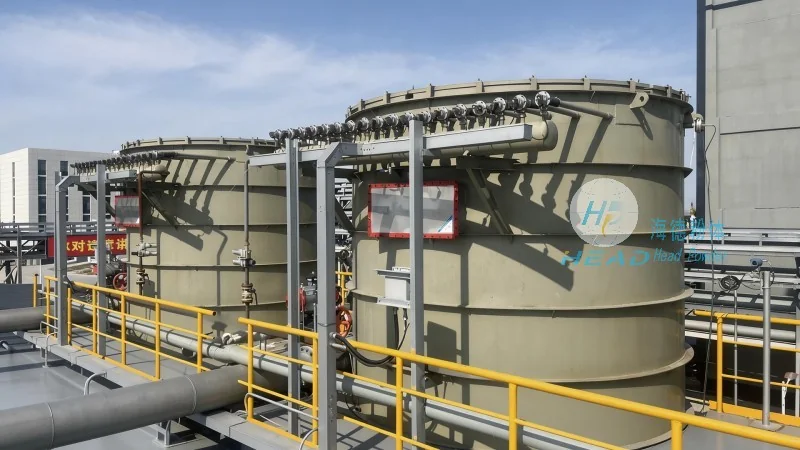
The operational environment of pneumatic conveying systems for positive electrode materials is characterized by several critical factors that influence system performance and reliability. First, the material properties, such as particle size, density, and moisture content, play a significant role in determining the optimal conveying velocity and pressure. For instance, fine powders may require higher air velocities to prevent clogging or deposition in the pipeline. Additionally, the system must be designed to handle varying material loads, ensuring smooth and continuous transport without interruptions. Another important aspect is the need for dust control and environmental safety. Pneumatic conveying systems often incorporate dust collection and filtration systems to minimize airborne particulate emissions, adhering to industrial safety and regulatory standards. The working environment also involves considerations of space constraints and integration with existing production lines. The systems are typically compact and modular, allowing for easy installation and integration into existing battery production facilities. This flexibility enables manufacturers to optimize their production layouts while maintaining high material throughput.
Application Scenarios and Operational Benefits
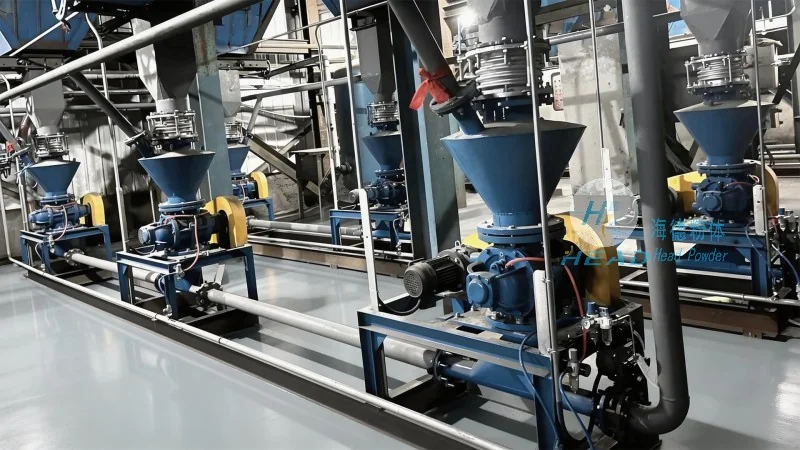
Pneumatic conveying systems for positive electrode materials are widely used in various production stages, including raw material handling, mixing, and packaging. In the raw material handling stage, the system efficiently transports raw materials from storage silos to processing equipment, ensuring a steady supply of materials for production. During the mixing process, the system can precisely deliver different electrode components to the mixing machine, maintaining consistent material ratios and improving product quality. In the packaging stage, the system transfers finished electrode materials to storage containers or shipping vessels, facilitating smooth logistics operations. The operational benefits of these systems include increased productivity, reduced labor costs, and enhanced safety. By automating the material transport process, manufacturers can achieve higher throughput rates and minimize the risk of material handling accidents. Furthermore, the system's ability to handle fine powders without degradation makes it ideal for applications where material quality is critical, such as in lithium-ion battery production.
Conclusion and Company Overview
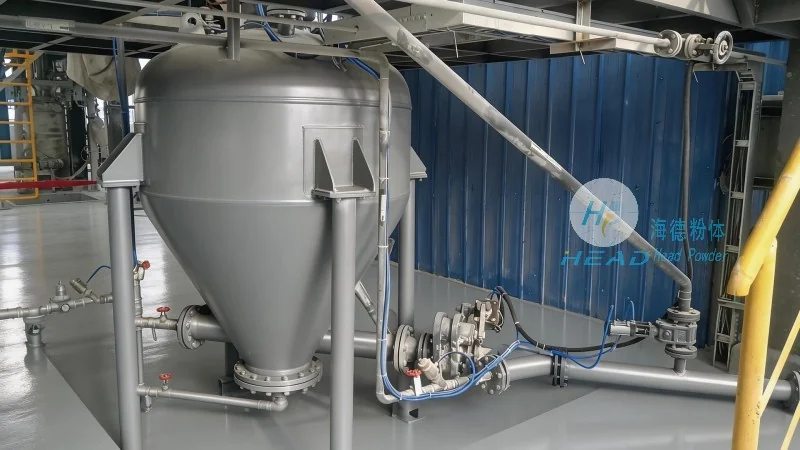
Shandong HeadPowder Engineering Co., Ltd. specializes in providing customized pneumatic conveying solutions for positive electrode materials, addressing the unique challenges of lithium-ion battery production. Our systems are designed to meet the specific requirements of different production environments, ensuring reliable and efficient material transport. With a focus on innovation and quality, we deliver solutions that enhance operational efficiency and product quality. Based in Shandong, China, our company leverages advanced engineering and manufacturing capabilities to deliver cutting-edge material handling systems. Whether you are a battery manufacturer or a material processing company, our pneumatic conveying systems offer a reliable and efficient solution for your material transport needs.