

Principle and Working Scene Characteristics of Potassium Carbonate Fertilizer Pneumatic Conveying Li
HeadPowder Engineering Co., Ltd., a professional manufacturer based in Shandong, China, specializes in the design, development, and production of advanced pneumatic conveying systems tailored for the fertilizer industry. The company's core product, the Potassium Carbonate Fertilizer Pneumatic Conveying Line, represents a sophisticated solution for efficiently transporting potassium carbonate, a critical component in modern agricultural fertilizers. This article delves into the fundamental principles underlying the system's operation and highlights the key characteristics of its working scenarios, providing insights into its practical applications and technical advantages.
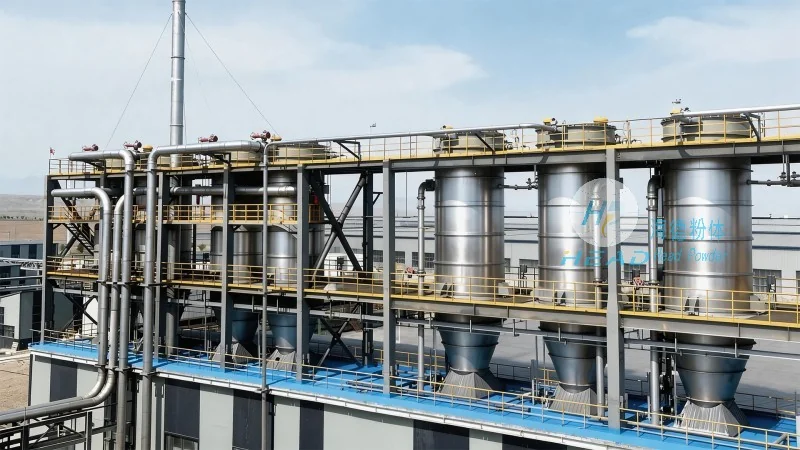
Potassium Carbonate Fertilizer Pneumatic Conveying Line Overview
The Potassium Carbonate Fertilizer Pneumatic Conveying Line is engineered to handle the bulk transport of potassium carbonate, a white crystalline solid widely used in fertilizer formulations. This system integrates a series of components, including a feeding hopper, air compressor, conveying pipes, and a discharge unit, to ensure seamless and reliable material movement. The design prioritizes efficiency, safety, and adaptability, making it suitable for various industrial settings where precise and continuous material handling is essential. By leveraging pneumatic technology, the line minimizes the need for mechanical components, reducing maintenance requirements and operational costs while maintaining high throughput rates.
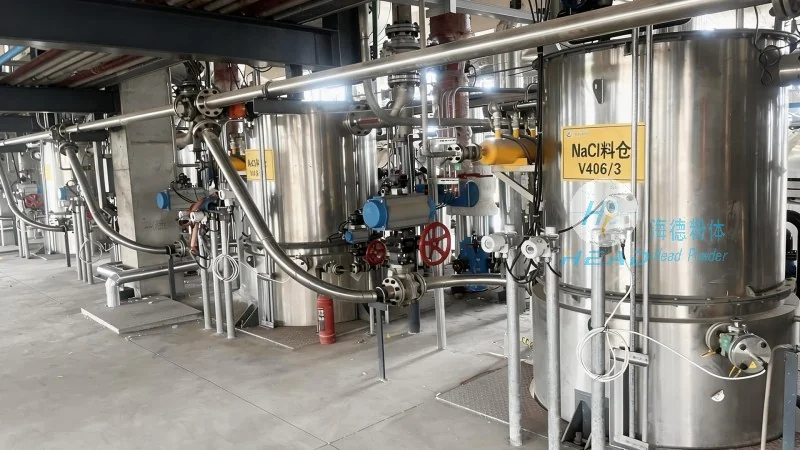
Working Principle of the Pneumatic Conveying System
The operation of the Potassium Carbonate Fertilizer Pneumatic Conveying Line is based on the fundamental principle of pneumatic transport, which involves the use of compressed air to move solid materials through a pipeline. In this system, the process typically begins with the material being fed into the hopper, where it is then pneumatically conveyed to the discharge point via a network of pipes. The air compressor generates the necessary pressure to create a flow of air that carries the potassium carbonate particles through the system. There are two primary types of pneumatic conveying systems: positive pressure and negative pressure. Positive pressure systems use an air blower to force air and material through the pipeline, while negative pressure systems employ a vacuum pump to draw material into the pipe. The Potassium Carbonate Fertilizer Pneumatic Conveying Line commonly utilizes a positive pressure design, as it offers better control over material flow and is more effective for long-distance or high-capacity transport. The system's efficiency is enhanced by the use of specialized valves, filters, and separators that ensure the material is transported without clogging or degradation. The air flow rate is carefully regulated to maintain optimal velocity, preventing material deposition and ensuring consistent performance.
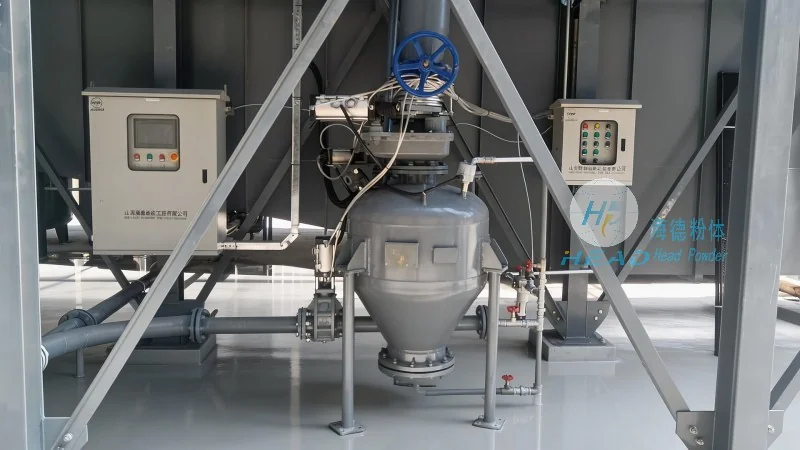
Characteristics of Working Scenarios
The working scenarios of the Potassium Carbonate Fertilizer Pneumatic Conveying Line are diverse and tailored to meet the specific needs of fertilizer production facilities. These scenarios include both continuous and batch operations, with the system capable of handling varying material volumes and flow rates. In continuous operation, the line maintains a steady stream of potassium carbonate from the feed point to the discharge point, supporting high-speed production lines where uninterrupted material supply is critical. The system's adaptability allows it to integrate seamlessly with existing production processes, such as mixing, granulation, and packaging, ensuring a smooth workflow from raw material input to finished product output. The working environment of the system is designed to be robust and resistant to the corrosive and abrasive nature of potassium carbonate, with materials like stainless steel and specialized coatings used in the construction of components to prevent wear and damage. Additionally, the system incorporates safety features, such as pressure relief valves and emergency shut-off mechanisms, to protect against over-pressurization and other potential hazards. The working scenarios also consider energy efficiency, with the air compressor and system design optimized to minimize power consumption while maximizing material throughput. This balance between performance and energy use makes the system an economical choice for fertilizer manufacturers seeking to enhance their operational efficiency.
Technical Advantages and Applications
The Potassium Carbonate Fertilizer Pneumatic Conveying Line offers several technical advantages that make it a preferred choice for industrial applications. One of the key benefits is its ability to transport materials over long distances without the need for intermediate storage or transfer points, reducing the risk of material loss or contamination. The system's compact design allows for installation in confined spaces, making it suitable for facilities with limited floor area. The use of pneumatic technology also eliminates the need for mechanical conveyors, such as belt or screw conveyors, which can be prone to clogging and require frequent maintenance. This results in lower operational costs and increased reliability. The system is highly customizable, with options available for different material sizes, flow rates, and pressure requirements, allowing manufacturers to tailor the solution to their specific production needs. The applications of this line extend beyond fertilizer production, including the transport of other bulk solids in industries such as chemicals, food processing, and mining. However, for potassium carbonate fertilizers, the line's design ensures optimal performance due to its understanding of the material's properties, such as its density and flow characteristics. The system's ability to handle fine powders and prevent agglomeration is particularly important in fertilizer manufacturing, where consistent product quality is essential. Overall, the Potassium Carbonate Fertilizer Pneumatic Conveying Line represents a reliable and efficient solution for bulk material transport, contributing to improved productivity and cost-effectiveness in industrial operations.
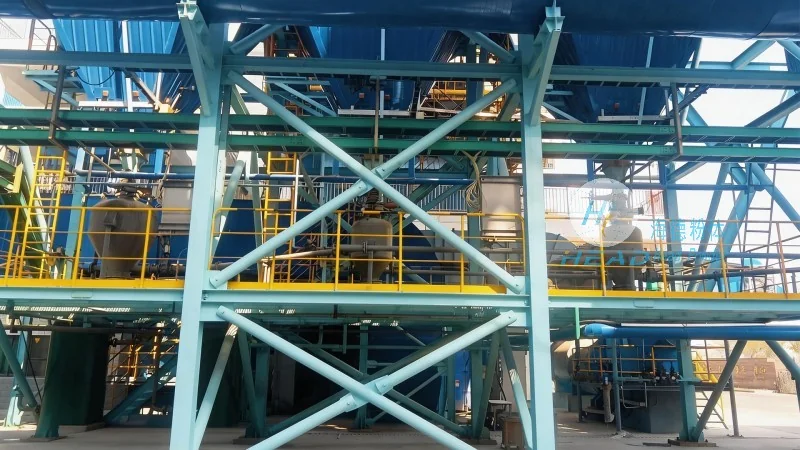
Conclusion
In conclusion, the Potassium Carbonate Fertilizer Pneumatic Conveying Line developed by Shandong HeadPowder Engineering Co., Ltd. is a technologically advanced system that addresses the challenges of efficiently transporting potassium carbonate in fertilizer production. By leveraging pneumatic transport principles and incorporating robust design features, the system offers high performance, reliability, and adaptability. The working scenarios of the line are tailored to meet the diverse needs of industrial facilities, ensuring seamless integration into existing production processes. The technical advantages of the system, including its energy efficiency, low maintenance requirements, and customizable design, make it an economical and sustainable choice for manufacturers. As the demand for efficient fertilizer production continues to grow, the Potassium Carbonate Fertilizer Pneumatic Conveying Line stands as a key solution for enhancing operational efficiency and maintaining product quality. With its professional manufacturing base in Shandong, China, HeadPowder Engineering Co., Ltd. remains committed to providing innovative and reliable solutions that meet the evolving needs of the industry.