

Principle and Working Scene Characteristics of Aluminum Sulfate Pneumatic Conveying System Equipment
HeadPowder, a leading engineering company based in Shandong, China, specializes in the design and manufacturing of advanced pneumatic conveying systems tailored for the handling of aluminum sulfate. This article explores the fundamental principles behind such systems and highlights the key characteristics of their operational environments.
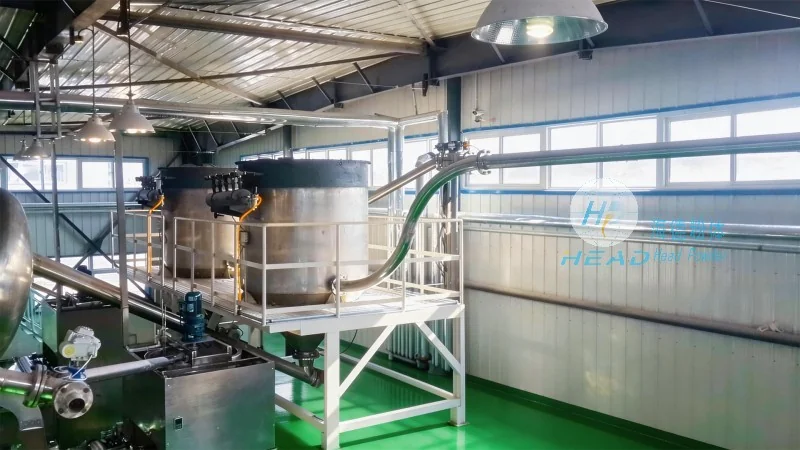
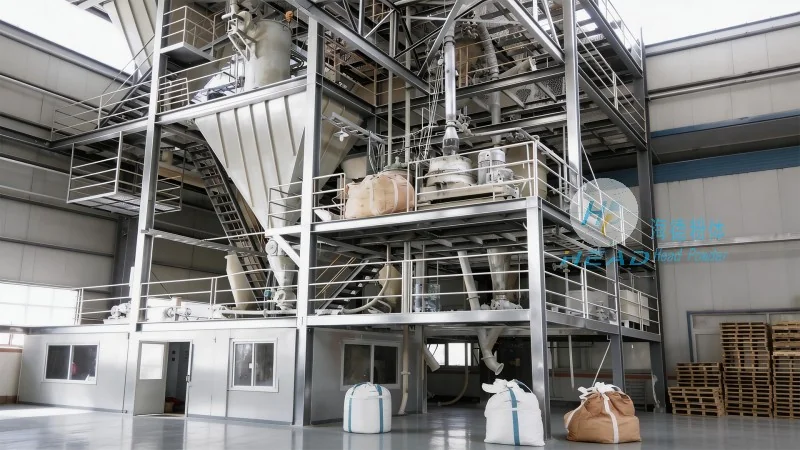
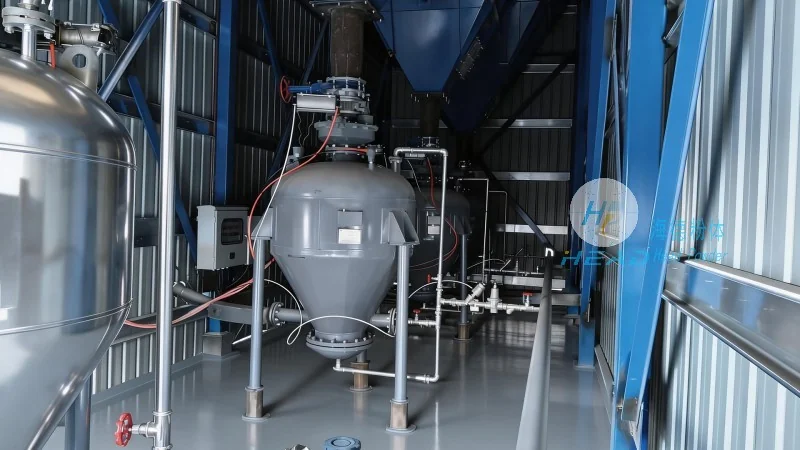
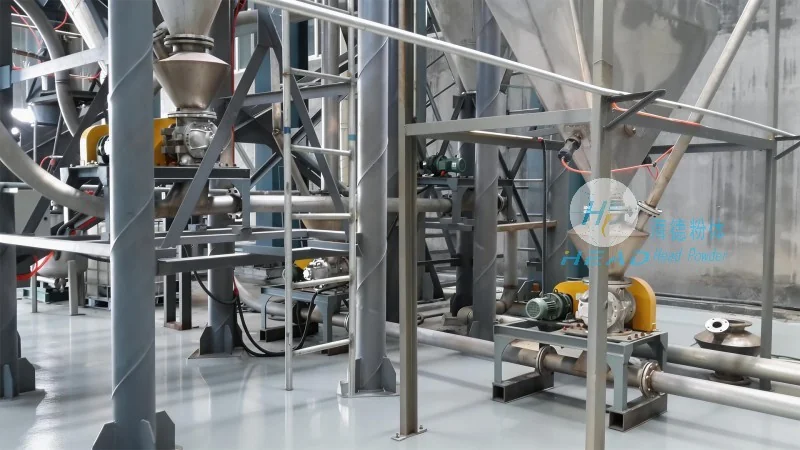
The Core Principles of Pneumatic Conveying Systems for Aluminum Sulfate
At the heart of aluminum sulfate pneumatic conveying systems lies the technology of pneumatic transport, which uses compressed air or other gases to move bulk materials through a pipeline. The system typically consists of a hopper, a feeder, a conveying line, and a receiver. The hopper stores the aluminum sulfate, while the feeder controls the flow rate of the material into the conveying line. Compressed air is introduced at one end of the line, creating a pressure differential that propels the aluminum sulfate particles forward. This method is particularly effective for materials like aluminum sulfate, which are often fine and can be prone to dusting or caking under traditional handling methods.
Key Working Scene Characteristics
The operational environments for aluminum sulfate pneumatic conveying systems are characterized by several critical factors that influence system design and performance. Firstly, the material's physical properties, such as its particle size distribution and moisture content, play a significant role. Aluminum sulfate is commonly processed as a fine powder, which requires systems with low pressure drop and efficient separation to prevent blockages. Secondly, the system's scalability is a key consideration. Whether used in small-scale laboratory applications or large-scale industrial plants, the design must accommodate varying flow rates and material volumes. Thirdly, the need for dust control is paramount. Pneumatic conveying inherently generates dust, so systems often incorporate filtration and collection units to ensure compliance with environmental regulations and maintain workplace safety. Additionally, the system's integration with other processing equipment, such as reactors or storage tanks, is crucial for seamless material flow in production lines. These characteristics collectively define the unique requirements of aluminum sulfate handling, making specialized pneumatic conveying solutions essential for efficient and reliable operations.