

Principles and Application Scenarios of Wheat Bran Powder Conveying
Wheat bran, a byproduct of wheat milling, is widely used in the food, feed, and pharmaceutical industries. Efficient and reliable powder conveying of wheat bran is crucial for maintaining production efficiency and product quality. This article explores the principles underlying wheat bran powder conveying and highlights key operational characteristics across various application scenarios, with a focus on solutions provided by Shandong HeadPowder Engineering Co., Ltd., a leading provider of specialized powder handling systems.
Introduction to Wheat Bran Powder Conveying
Wheat bran, rich in fiber, vitamins, and minerals, is an essential ingredient in many industrial processes. However, its powdery nature presents unique challenges during handling and transportation. Traditional methods such as manual shoveling or bucket elevators are often inefficient and can lead to dust generation and material loss. Modern powder conveying systems, designed specifically for wheat bran, address these challenges by leveraging advanced engineering principles and materials handling technologies.
Core Principles of Wheat Bran Powder Conveying
The fundamental principle of wheat bran powder conveying is to transport the material from a source to a destination while minimizing degradation, contamination, and energy consumption. Several key mechanisms are employed in contemporary systems:
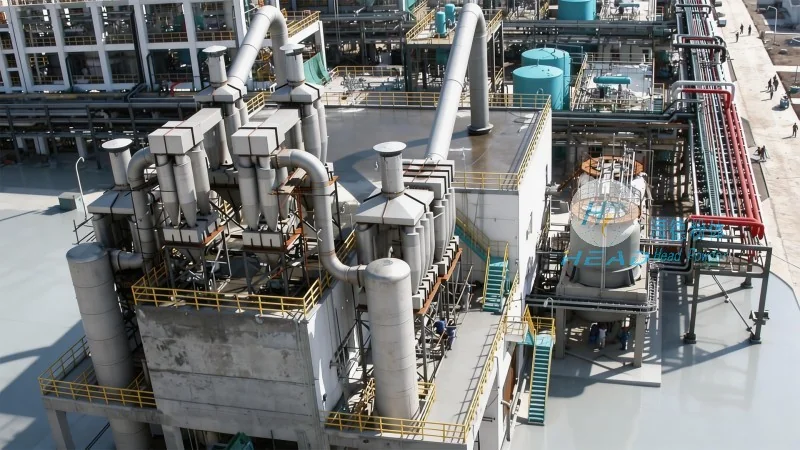
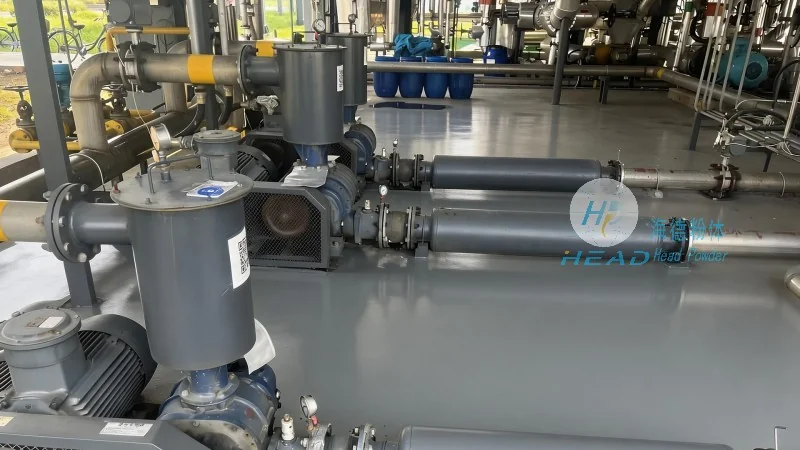
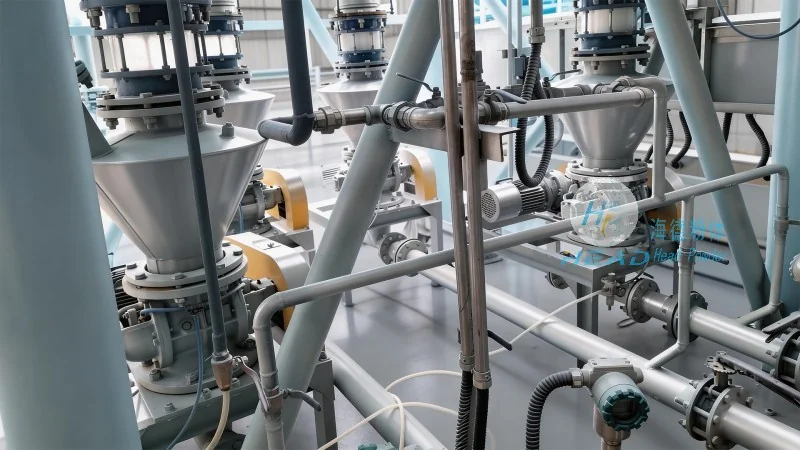
1. Air-Pressure Conveying (Pneumatic Systems): This method uses compressed air to create a pressure differential that propels the wheat bran through a pipeline. The system typically consists of a hopper, a rotary airlock valve, a conveying line, and a dust collector. Air-pressure conveying is ideal for long-distance and high-volume transport, as it can handle fine powders without the need for mechanical components that might cause abrasion or contamination.
2. Mechanical Conveying (Bucket Elevators and Screw Conveyors): Mechanical systems rely on physical movement to transport wheat bran. Bucket elevators use a chain or belt with attached buckets to lift and transport material vertically, while screw conveyors use a rotating screw to move material horizontally or at an incline. These systems are particularly effective for short to medium distances and when the bran is relatively dry and free-flowing.
3. Hybrid Systems: Many modern facilities employ a combination of pneumatic and mechanical components to optimize conveying efficiency. For example, a pneumatic system might be used for the initial transport from a storage silo to a processing unit, followed by a mechanical conveyor for final delivery to packaging equipment. This hybrid approach balances the advantages of both methods, ensuring smooth operation and reduced downtime.
Operational Characteristics in Different Work Scenarios
The effectiveness of wheat bran powder conveying systems is heavily influenced by the specific work environment and application requirements. Understanding these characteristics is essential for selecting the most suitable technology for a given operation.
1. Food Processing Industry: In food manufacturing, wheat bran is often used as an ingredient in baked goods, cereals, and nutritional supplements. The conveying system must meet stringent hygiene standards, with components made from food-grade materials and easy-to-clean surfaces. Additionally, the system should minimize dust exposure to prevent contamination and ensure compliance with food safety regulations. Companies in this sector typically prioritize systems that are gentle on the bran, preserving its nutritional value and texture.
2. Animal Feed Production: For the feed industry, wheat bran is a key component in animal rations. The conveying process often involves larger volumes and less stringent hygiene requirements compared to food processing. However, the system must still be durable and capable of handling abrasive materials to prevent wear and tear. The focus here is on efficiency and cost-effectiveness, with systems designed to handle high throughput and minimize maintenance costs.
3. Pharmaceutical and Nutraceutical Applications: In the pharmaceutical sector, wheat bran is used in the production of dietary supplements and functional foods. The conveying system must adhere to strict GMP (Good Manufacturing Practice) guidelines, ensuring that the material is free from contaminants and that the process is fully traceable. This often involves enclosed systems with HEPA filters and automated controls to maintain a sterile environment. The operational characteristics here emphasize precision, cleanliness, and regulatory compliance.
4. Industrial Storage and Handling: In bulk storage facilities, wheat bran is stored in silos or hoppers before being conveyed to processing units. The system must be capable of handling the material's bulk density and flow characteristics, preventing bridging or caking in the storage vessels. Advanced systems may include vibration or aeration devices to ensure consistent flow and prevent material buildup. The operational characteristics in this scenario focus on reliability and low maintenance, as downtime can lead to significant production losses.
Key Considerations for Optimal Wheat Bran Powder Conveying
When selecting or implementing a wheat bran powder conveying system, several factors must be considered to ensure optimal performance and longevity:
1. Material Properties: Wheat bran's moisture content, particle size distribution, and flowability significantly impact the choice of conveying method. For example, wetter bran may require additional drying or conditioning before pneumatic conveying to prevent clogging. The system should be designed to accommodate variations in material properties to maintain consistent operation.
2. System Integration: The conveying system must be seamlessly integrated with other processing equipment, such as mixers, extruders, or packaging machines. This integration ensures smooth material flow and reduces the risk of bottlenecks or material loss. Companies should consider the entire production line when designing the conveying system to achieve maximum efficiency.
3. Energy Efficiency: Modern conveying systems are designed to minimize energy consumption while maintaining performance. Features such as variable speed drives, optimized air flow, and efficient mechanical components help reduce operational costs. Energy efficiency is a critical consideration for both economic and environmental reasons.
4. Maintenance and Durability: Wheat bran can be abrasive and may cause wear on conveying components. The system should be constructed from materials resistant to corrosion and abrasion, such as stainless steel or high-grade plastics. Regular maintenance, including cleaning and component replacement, is essential to prevent system failure and ensure long-term reliability.
Conclusion
Efficient wheat bran powder conveying is a critical component of many industrial processes, directly impacting production efficiency, product quality, and operational costs. By understanding the core principles of powder conveying and the specific characteristics of different work scenarios, companies can select and implement the most suitable systems for their needs. Whether in food processing, animal feed production, or pharmaceutical applications, the right conveying technology ensures smooth, reliable operation and helps maintain the high standards required in these industries.