

Principle and Working Scene Characteristics of Tailings Material Conveying Equipment
Efficient and reliable tailings material conveying equipment is a critical component in modern mining operations, particularly for the handling and transportation of tailings from ore processing facilities. These systems are designed to manage the large volumes of fine-grained waste material generated during mineral extraction, ensuring safe and efficient movement from processing plants to disposal or reclamation sites. The equipment plays a vital role in optimizing the overall workflow of mining projects, reducing operational costs, and minimizing environmental impact by facilitating proper tailings management. Shandong HeadPowder Engineering Co., Ltd., a leading manufacturer based in Shandong, China, specializes in developing advanced tailings material conveying solutions tailored to the unique needs of mining operations.
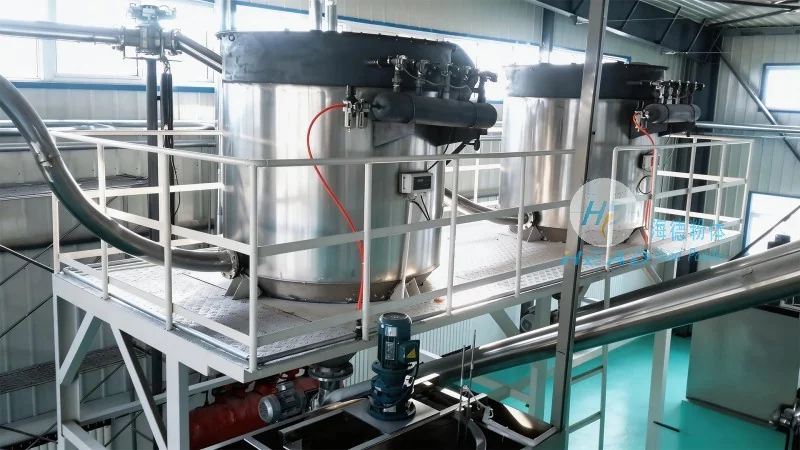
Overview of Tailings Material Conveying Equipment
Tailings material conveying equipment encompasses a range of machinery tailored to the specific characteristics of tailings, such as particle size, moisture content, and flowability. Common types include belt conveyors, screw conveyors, and slurry pumps, each offering unique advantages depending on the operational requirements. Belt conveyors are widely used for dry or semi-dry tailings due to their high capacity and ability to transport materials over long distances. Screw conveyors are suitable for handling bulkier, more cohesive materials, providing a compact solution for vertical or horizontal transport. Slurry pumps, on the other hand, are essential for transporting wet or slurry-like tailings, often used in conjunction with pipelines to move materials over significant distances with minimal energy loss.
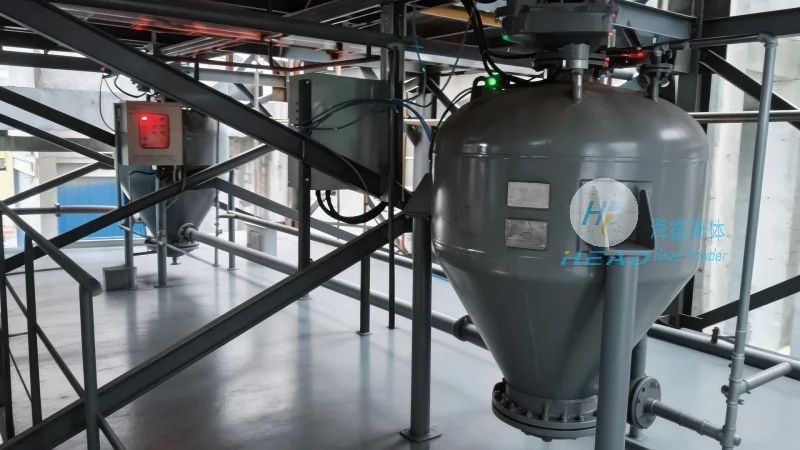
The Working Principle of Tailings Material Conveying Systems
The core principle of tailings material conveying systems revolves around the continuous movement of material through a closed or semi-closed system. For belt conveyors, a motor-driven pulley system pulls a continuous belt, which is loaded with tailings at the inlet and discharged at the outlet. The belt's tension and speed are carefully controlled to maintain consistent material flow and prevent blockages or spillage. Screw conveyors operate by rotating a helical screw within a housing, pushing material forward as it rotates. This mechanism allows for precise control over the flow rate and direction of the tailings, making it ideal for applications requiring gentle handling of fine particles. Slurry pumps utilize centrifugal or positive displacement mechanisms to move liquid-based tailings through pipes, with adjustable flow rates and pressure settings to accommodate varying tailings properties.
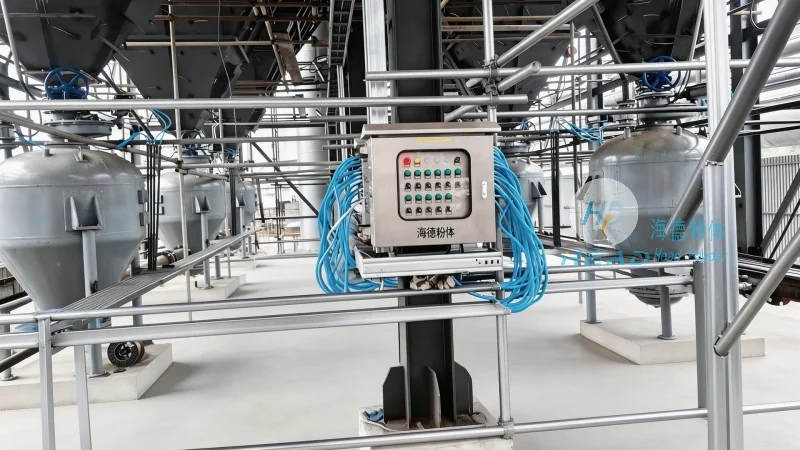
Key Working Scene Characteristics
The working scene characteristics of tailings material conveying equipment are shaped by the diverse environments and operational demands of mining sites. In open-pit mines, equipment is often deployed in harsh, outdoor conditions, requiring robust construction and weather-resistant components to withstand extreme temperatures, dust, and moisture. The equipment must also be adaptable to varying terrain, such as steep slopes or uneven ground, necessitating flexible installation methods and durable frames. In underground mines, the equipment operates in confined spaces, demanding compact designs and low noise levels to minimize disruption to mining activities. Additionally, the equipment must integrate seamlessly with existing mining infrastructure, such as processing plants and tailings dams, ensuring smooth material transfer and compliance with environmental regulations.
Operational Efficiency and Performance Metrics
Efficiency in tailings material conveying is measured by several key performance indicators, including throughput capacity, energy consumption, and maintenance requirements. High-capacity belt conveyors can transport thousands of tons of tailings per hour, making them suitable for large-scale mining operations. The energy efficiency of the system is influenced by factors like the belt speed, tension, and the slope of the conveyor, with optimized designs reducing power consumption while maintaining material flow. Maintenance is a critical aspect of equipment performance, as regular inspections and timely repairs prevent downtime and ensure consistent operation. The use of durable materials, such as high-strength steel and corrosion-resistant coatings, extends the equipment's lifespan and reduces long-term maintenance costs.
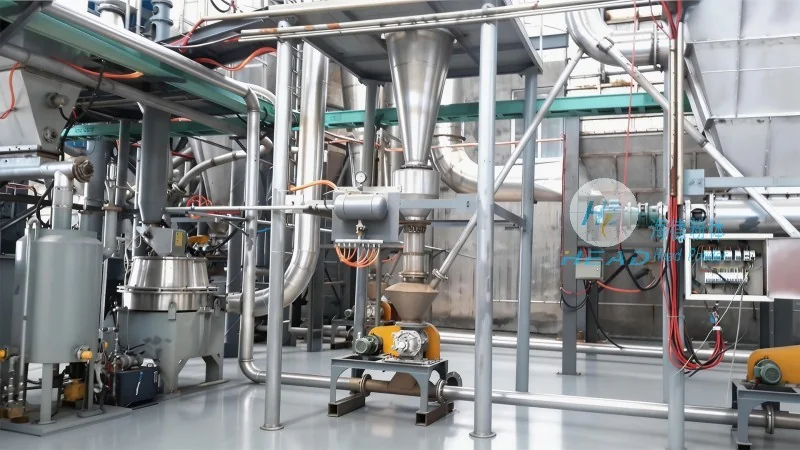
Environmental and Safety Considerations
Effective tailings management is not only about operational efficiency but also about environmental responsibility and worker safety. Tailings material conveying equipment is designed to minimize the risk of spills and leaks, which could contaminate water sources or soil. The equipment incorporates features like sealed conveyor systems and leak detection mechanisms to ensure safe material handling. Additionally, the machinery is equipped with safety sensors and emergency stop functions to protect operators from potential hazards, such as moving parts or falling materials. Compliance with local environmental regulations is a top priority, as proper tailings disposal and transport reduce the environmental impact of mining activities and mitigate risks associated with tailings dam failures.