

Principle and Working Scene Characteristics of Calcium Chloride Material Handling System Equipment
When it comes to efficiently transporting calcium chloride, specialized equipment is essential to ensure safety, reliability, and optimal performance. The calcium chloride material handling system, developed by Shandong HeadPowder Engineering Co., Ltd., is designed to meet the demands of various industrial applications. This article explores the fundamental principles behind such systems and highlights the key working scene characteristics that make them indispensable in modern operations.
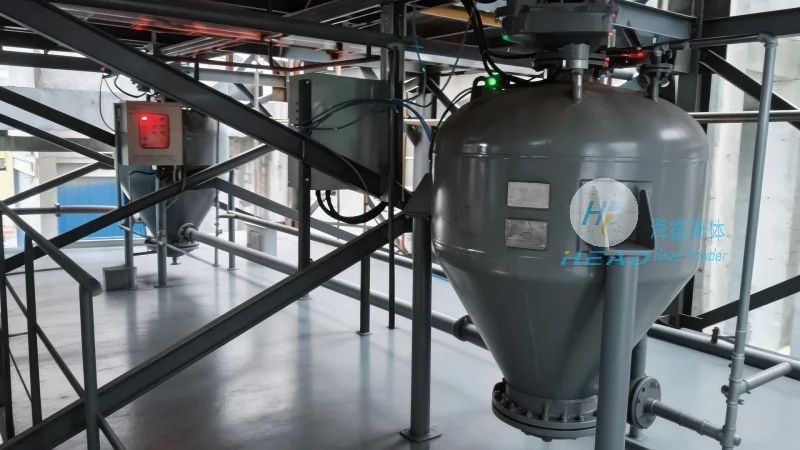
Understanding the Core Principles of Calcium Chloride Material Handling Systems
The calcium chloride material handling system operates on a combination of mechanical and hydraulic principles to facilitate the movement of this highly hygroscopic and corrosive material. At its core, the system is engineered to handle the unique properties of calcium chloride, which includes its tendency to absorb moisture from the air and its potential to cause corrosion in metal components if not managed properly. The system’s design incorporates advanced materials and components that are resistant to these challenges, ensuring longevity and consistent performance.
Key components of the system include conveyor belts, screw conveyors, and pneumatic transport units, each tailored to the specific handling requirements of calcium chloride. The conveyor belts are typically made from durable, non-stick materials that prevent material buildup and reduce friction, while the screw conveyors use rotating helical screws to move the material in a controlled manner. Pneumatic transport systems, on the other hand, utilize compressed air to push the material through pipelines, offering a flexible and low-maintenance solution for long-distance transport.
Working Scene Characteristics: Where Calcium Chloride Handling Systems Excel
The effectiveness of a calcium chloride material handling system is largely determined by its application in different working environments. These systems are commonly found in industrial settings such as chemical plants, construction sites, and water treatment facilities, where calcium chloride is used for de-icing, soil stabilization, and water treatment processes. In each of these scenarios, the system’s design adapts to the specific operational needs, ensuring seamless integration and efficient material flow.
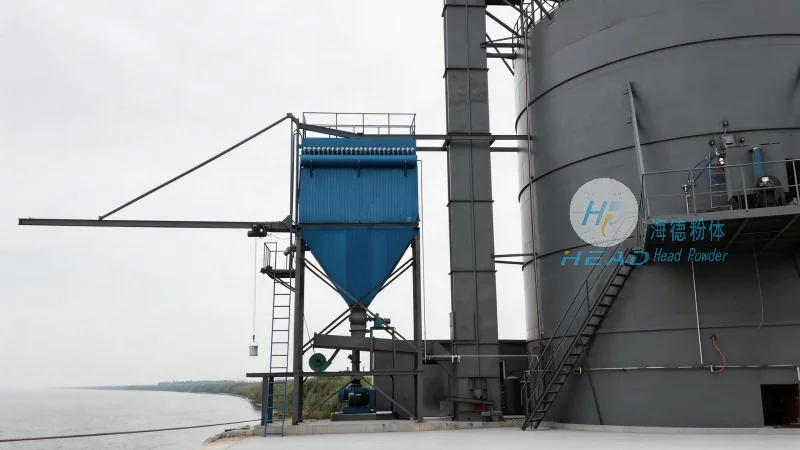
For instance, in de-icing operations, the system must be capable of handling large volumes of calcium chloride and distributing it evenly over roads and walkways. The conveyor systems are often equipped with adjustable speed controls and discharge mechanisms that allow for precise application, minimizing waste and maximizing effectiveness. In construction, the system may be used to transport calcium chloride for soil stabilization, where the material is mixed with earth to improve its structural integrity. Here, the system’s ability to handle bulk quantities and maintain consistent moisture levels is critical for achieving the desired results.
In water treatment facilities, calcium chloride is used to adjust the pH levels and improve water quality. The material handling system in this context must be hygienic and easy to clean, as it comes into direct contact with water and other chemicals. The use of stainless steel components and sealed conveyor systems helps prevent contamination and ensures compliance with environmental regulations. Additionally, the system’s energy efficiency is a key consideration, as it operates continuously and contributes to the overall operational costs of the facility.
Advantages of the HeadPowder Calcium Chloride Material Handling System
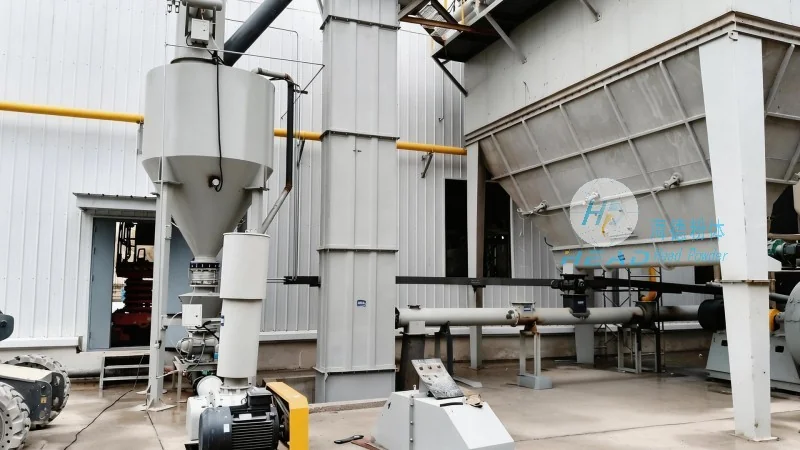
Shandong HeadPowder Engineering Co., Ltd. has developed a comprehensive range of calcium chloride material handling systems that are tailored to the diverse needs of industrial clients. These systems are designed with durability, efficiency, and safety in mind, offering several advantages over traditional handling methods. The use of advanced materials and components reduces maintenance costs and extends the lifespan of the equipment, while the modular design allows for easy integration into existing facilities.
One of the key advantages is the system’s ability to handle the hygroscopic nature of calcium chloride without compromising performance. The enclosed conveyor systems prevent moisture absorption, ensuring that the material remains in its desired state throughout the transport process. This is particularly important in outdoor applications, where exposure to the elements can affect the material’s properties. The system also incorporates safety features such as overload protection and emergency stop buttons, ensuring that operators can handle any unexpected situations without risk.
Furthermore, the calcium chloride material handling system from HeadPowder is designed to be user-friendly and easy to operate. The control panels are equipped with intuitive interfaces that allow operators to monitor the system’s performance and make adjustments as needed. The system’s energy-efficient design reduces operational costs, making it a cost-effective solution for long-term use. By combining these features, the system provides a reliable and efficient solution for handling calcium chloride in various industrial applications.