

Principle and Working Scene Characteristics of Silica Powder Material Handling System Equipment
Shandong HeadPowder Engineering Co., Ltd. specializes in the design and manufacturing of advanced material handling solutions tailored for the transportation and processing of silica powder. This article delves into the fundamental principles underlying such systems and highlights key working scene characteristics that define their operational effectiveness and efficiency.
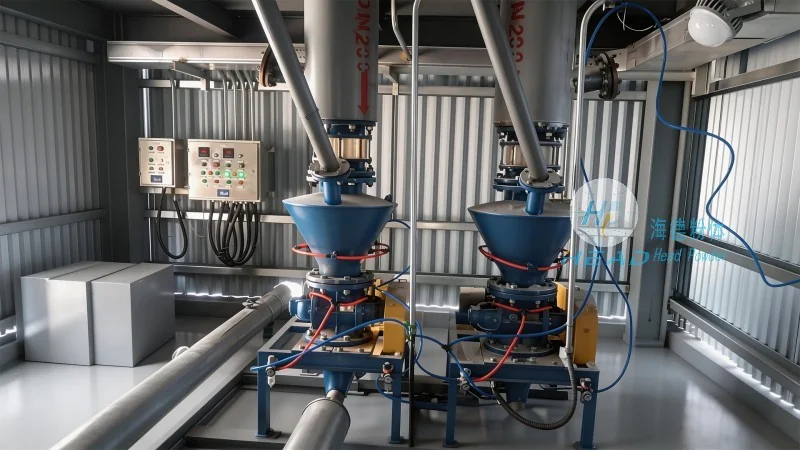
Core Principles of Silica Powder Material Handling Equipment
The operation of silica powder material handling systems is governed by several core principles that ensure safe, reliable, and efficient material transport. These principles include the optimization of flow dynamics, the minimization of material degradation, and the integration of robust control mechanisms. The systems are engineered to handle the unique properties of silica powder, such as its fine particle size, which can lead to issues like dust generation and caking if not managed properly. By adhering to these principles, the equipment ensures consistent performance and reduces downtime, making it an essential component in industrial processes that rely on silica powder.
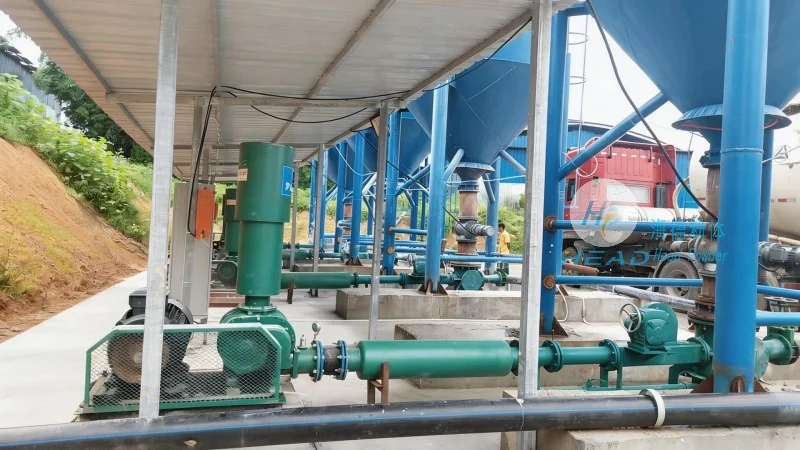
Working Scene Characteristics and Application Scenarios
The working scene characteristics of silica powder material handling systems are shaped by the specific requirements of the industrial environments in which they operate. These characteristics include high-temperature resistance, corrosion resistance, and the ability to handle abrasive materials, all of which are critical in applications like glass manufacturing, foundries, and chemical processing. The systems are designed to operate in diverse settings, from large-scale production lines to smaller, more specialized facilities. For instance, in glass manufacturing, the system must handle high volumes of silica powder while maintaining precise control over particle size distribution. In foundries, the equipment needs to manage the transport of silica powder for refractory materials, ensuring that the material remains free-flowing and free from contamination. These working scene characteristics underscore the adaptability and versatility of the systems, making them suitable for a wide range of industrial applications.
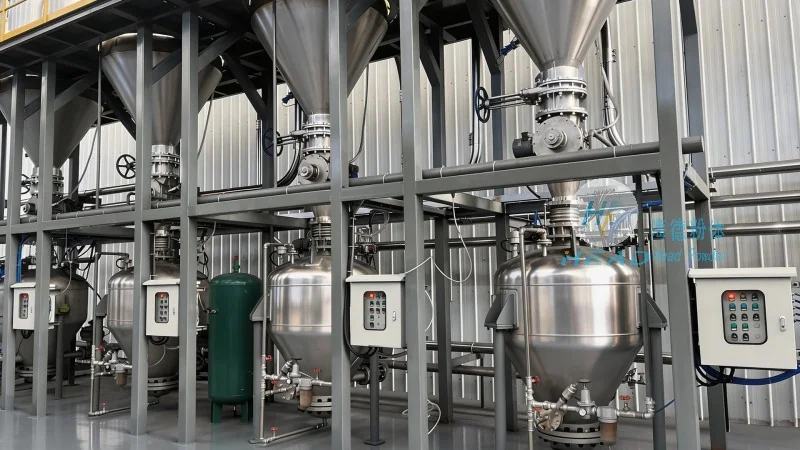
Key Components and Their Functional Roles
At the heart of silica powder material handling systems are several key components that work in concert to achieve the desired operational outcomes. These components include feeders, conveyors, and control systems, each playing a critical role in the overall functionality of the equipment. Feeders are responsible for regulating the flow of silica powder from storage silos or hoppers, ensuring a consistent and controlled feed rate. Conveyors, such as belt conveyors or pneumatic systems, then transport the powder to the next stage of processing. Control systems, often integrated with sensors and automation technology, monitor and adjust the operation of these components in real-time, optimizing performance and preventing issues like overloading or material blockages. The combination of these components ensures that the system operates smoothly and efficiently, even under varying load conditions.
Advantages and Benefits in Industrial Applications
Implementing silica powder material handling systems offers numerous advantages and benefits to industrial operations. One of the primary benefits is the improvement in material handling efficiency, which leads to reduced labor costs and increased productivity. The systems also enhance safety by minimizing the risk of dust exposure and material spills, which are common hazards in traditional manual handling methods. Additionally, the use of automated control systems reduces human error, leading to more consistent and reliable material processing. The durability and longevity of the equipment, particularly when designed with high-quality materials and robust construction, result in lower maintenance costs over the long term. These advantages make silica powder material handling systems a valuable investment for industries that rely on silica powder as a key raw material.
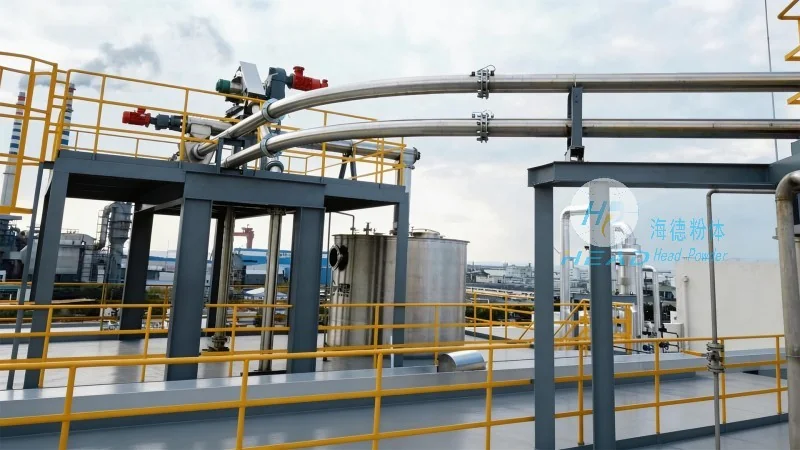
Conclusion and Company Overview
Shandong HeadPowder Engineering Co., Ltd. provides comprehensive solutions for silica powder material handling systems, combining advanced engineering principles with practical application expertise. The company’s commitment to quality and innovation ensures that its products meet the diverse needs of industrial clients, whether in glass manufacturing, foundries, or other sectors that require efficient silica powder handling. By understanding the core principles and working scene characteristics of these systems, industries can optimize their operations and achieve greater efficiency and safety. As a leading provider in the field, Shandong HeadPowder Engineering Co., Ltd. continues to advance the technology and application of silica powder material handling systems, contributing to the growth and success of its clients.