

Principle and Working Scene Characteristics of Cast Sand Powder Pneumatic Conveying Equipment
The cast sand powder pneumatic conveying equipment is a critical component in modern foundry operations, designed to efficiently transport bulk cast sand materials from storage to processing areas. This equipment utilizes pneumatic technology to achieve dust-free, low-loss material transfer, making it an essential solution for foundries aiming to enhance productivity and maintain environmental compliance.
Company Profile: Shandong HeadPowder Engineering Co., Ltd.
Shandong HeadPowder Engineering Co., Ltd., commonly referred to as headpowder, is a leading manufacturer and supplier of industrial pneumatic conveying systems. HeadPowder is headquartered in Shandong, China, and has established a strong reputation for delivering high-quality, reliable equipment tailored to the specific needs of the foundry and casting industries. With years of experience in material handling technology, HeadPowder provides comprehensive solutions that combine advanced engineering with practical application expertise.
The Working Principle of Pneumatic Conveying Systems for Cast Sand
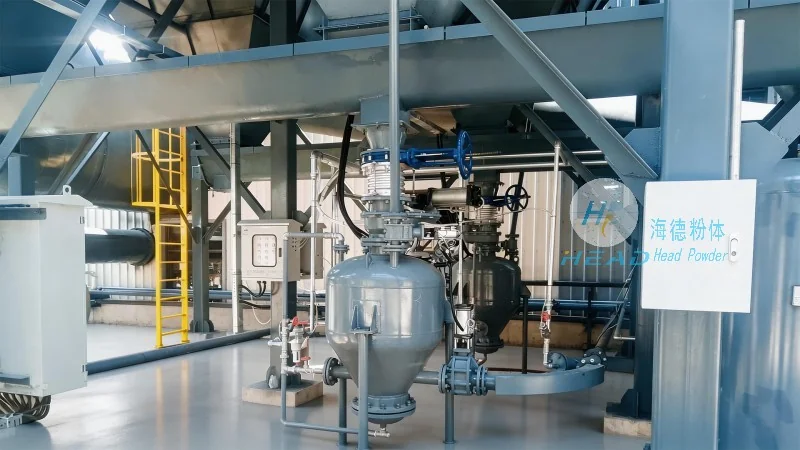
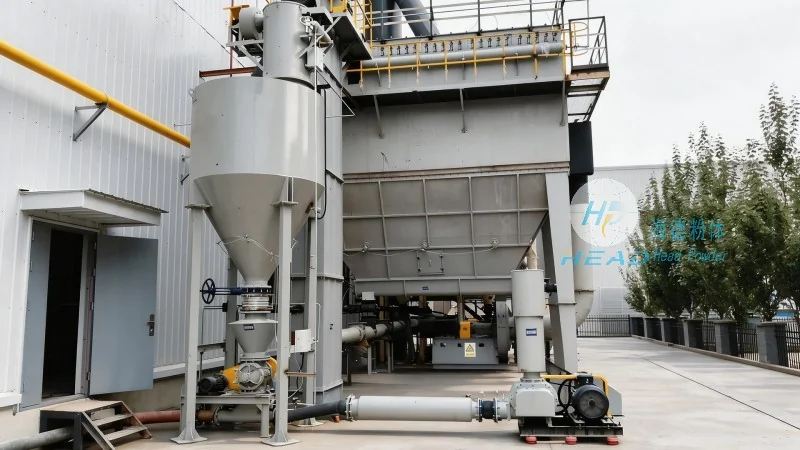
The core principle of the cast sand powder pneumatic conveying equipment is the use of compressed air to create a high-velocity air stream that lifts and transports the cast sand particles. The system typically consists of several key components: a material hopper for storing the cast sand, a rotary airlock valve to control the material flow rate, a conveying pipeline that transports the material, and a dust collector to capture any airborne particles. When the material is fed into the hopper, the rotary valve regulates the discharge, and the compressed air is introduced into the pipeline, generating sufficient air velocity to entrain the sand particles. This process ensures that the cast sand is conveyed through the pipeline with minimal degradation and no direct contact with the environment, resulting in a clean and efficient transfer.
Key Features and Advantages of the Equipment
The cast sand powder pneumatic conveying equipment from headpowder offers several key features that make it a superior choice for foundry applications. One of the primary advantages is its ability to handle a wide range of cast sand types, including green sand, dry sand, and resin-bonded sand, with varying particle sizes and moisture content. The system is designed for high material throughput, capable of transporting large volumes of cast sand at consistent rates, which helps to maintain smooth production flow. Additionally, the equipment features adjustable air pressure control, allowing operators to optimize energy consumption and reduce operational costs. The system also incorporates safety features such as pressure relief valves and dust suppression mechanisms, ensuring safe and compliant operation in industrial environments.
Typical Working Scenarios and Applications
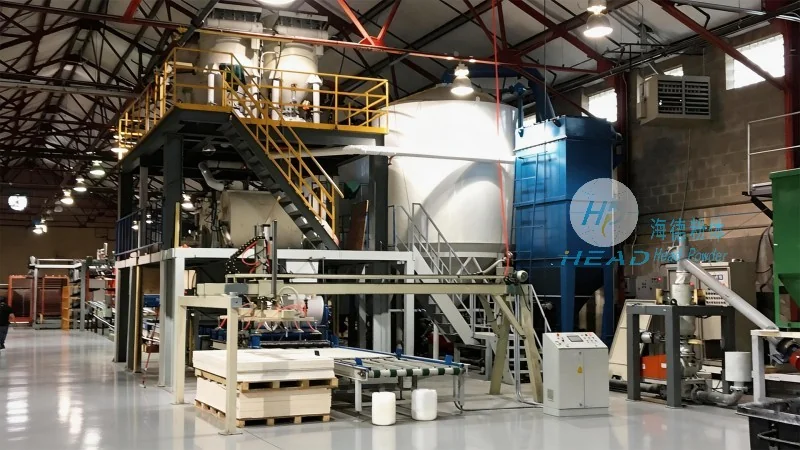
The cast sand powder pneumatic conveying equipment is commonly used in foundries and casting plants where cast sand needs to be transported from bulk storage silos to molding lines or other processing stations. In these working scenarios, the equipment is integrated into existing production layouts, enabling seamless material transfer without the need for manual handling. The system is particularly suitable for applications where dust control is critical, such as in environments subject to strict air quality regulations. The versatility of the pneumatic conveying equipment allows it to operate in both horizontal and vertical conveying modes, making it adaptable to complex production layouts with varying distances and elevations. This flexibility ensures that the equipment can be tailored to meet the specific requirements of different foundry operations, whether for small-scale or large-scale casting processes.
Technical Specifications and Performance Indicators
The technical specifications of the cast sand powder pneumatic conveying equipment from headpowder are engineered to deliver optimal performance and reliability. The system can handle material capacities ranging from several tons per hour to over 100 tons per hour, depending on the specific application requirements. The conveying distance can reach up to several hundred meters, with the ability to handle both horizontal and vertical lifts. The equipment is constructed from high-quality materials, such as stainless steel and corrosion-resistant alloys, ensuring durability and long service life. Performance indicators include low pressure drop across the system, which reduces energy consumption and operating costs, and high material recovery rates, minimizing waste and improving overall efficiency. The system also features easy maintenance components, such as replaceable wear parts and accessible cleaning mechanisms, which help to reduce downtime and maintenance expenses.