

Principle and Application Scenarios of Silicate Powder Pneumatic Conveying Equipment
HeadPowder, a leading provider in the field, specializes in advanced pneumatic conveying systems designed for handling silicate powders. This equipment is engineered to efficiently transport fine powders like those derived from silicate materials, ensuring reliable and consistent performance in various industrial applications. The following sections will delve into the fundamental principles behind these systems and explore the specific scenarios where they excel.
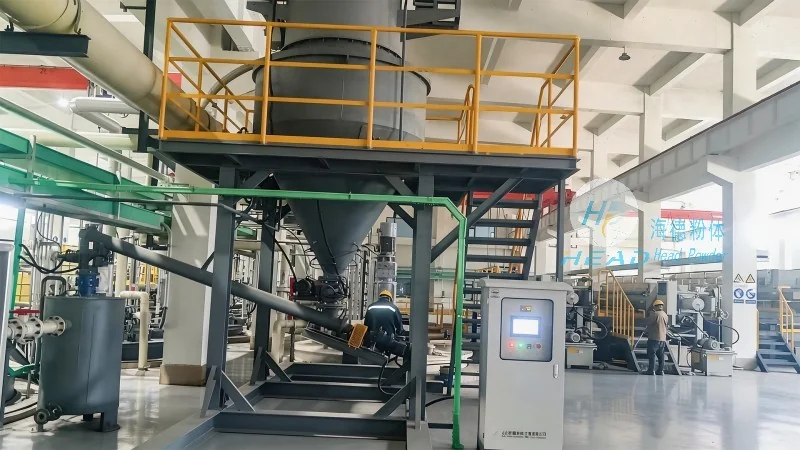
Company Profile: Shandong HeadPowder Engineering Co., Ltd.
HeadPowder, formally known as Shandong HeadPowder Engineering Co., Ltd., is headquartered in Shandong, China. With a strong commitment to innovation and quality, the company has established itself as a trusted partner for industries requiring robust and efficient powder handling solutions. Our expertise lies in designing and manufacturing pneumatic conveying equipment tailored to the unique demands of silicate powder processing, ensuring optimal performance and durability in demanding operational environments.
Principle of Pneumatic Conveying for Silicate Powders
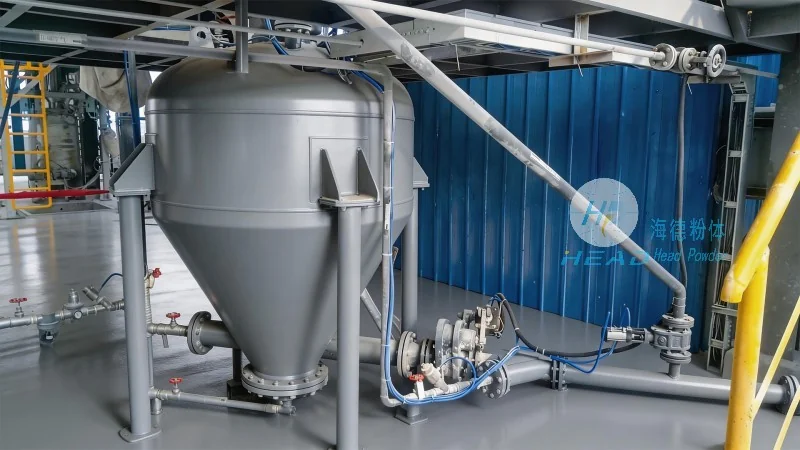
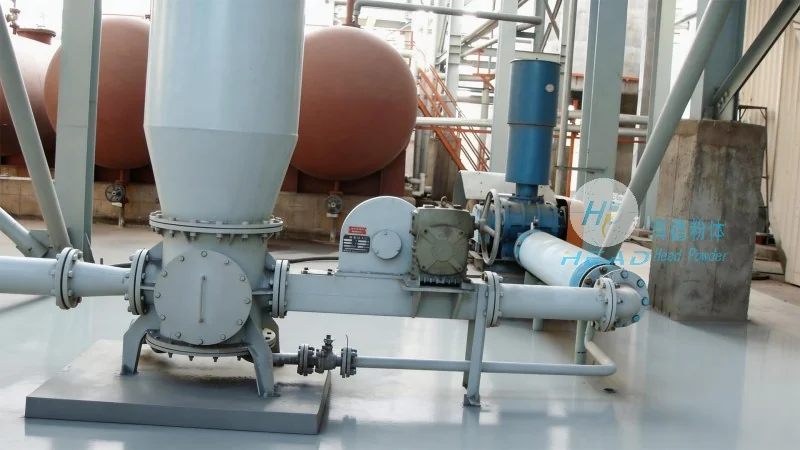
The core principle of pneumatic conveying involves the use of compressed air or other gases to transport particulate materials through a pipeline. In the case of silicate powders, which often exhibit characteristics such as high fineness, low bulk density, and potential for dust generation, specialized equipment is required to maintain efficiency and safety. The system typically consists of a feeding mechanism, a conveying line, and a discharge unit, all working in tandem to move the powder from the source to the destination. Key components include a blower or compressor to generate the necessary airflow, a hopper or feeder to control the powder flow rate, and a pipeline network that ensures smooth transport. The design of the conveying system is critical, as it must account for the powder's physical properties, such as particle size distribution, moisture content, and cohesive tendencies, to prevent issues like blockages or degradation of the material.
Application Scenarios and Operational Advantages
Silicate powder pneumatic conveying equipment finds widespread application in industries where the handling of fine powders is essential. Some common scenarios include:
- Manufacturing of ceramics and glass, where raw materials like silica, feldspar, and kaolin are transported to production lines.
- Construction material production, involving the conveyance of cement, lime, and other silicate-based additives.
- Chemical processing facilities that require the transport of silicate-based reagents or intermediates.
- Environmental and waste management applications, where silicate powders are handled in recycling or treatment processes.
Operational advantages of these systems include:
- Reduced risk of dust exposure and associated health hazards compared to traditional bulk handling methods.
- Enhanced safety through enclosed systems that prevent material spillage and contamination.
- Improved efficiency and reduced downtime due to automated control systems and reliable material flow.
- Flexibility in system design, allowing for integration with existing production lines or expansion as needed.
Key Features and Technical Considerations
When selecting a pneumatic conveying system for silicate powders, several technical factors must be considered to ensure optimal performance. These include:
- System pressure and airflow requirements, which depend on the powder's characteristics and the distance to be conveyed.
- Pipeline design, including diameter, material, and layout, to minimize pressure drop and prevent blockages.
- Feeding mechanisms, such as rotary valves or screw feeders, that maintain consistent flow rates and prevent material degradation.
- Control systems that monitor and adjust airflow and pressure in real-time to maintain stable operation.
Advanced systems may also incorporate features like dust collection, filtration, and material recovery to enhance environmental compliance and operational efficiency.