

Principle and Working Scene Characteristics of Cement Raw Material Powder Pneumatic Conveying Equipm
For industrial applications, efficient and reliable material handling is crucial, especially when dealing with bulk powders like cement raw materials. Pneumatic conveying systems offer a sophisticated solution for transporting these materials with precision and minimal loss. This article explores the fundamental principles behind cement raw material powder pneumatic conveying equipment and highlights key working scene characteristics that define its operational effectiveness.
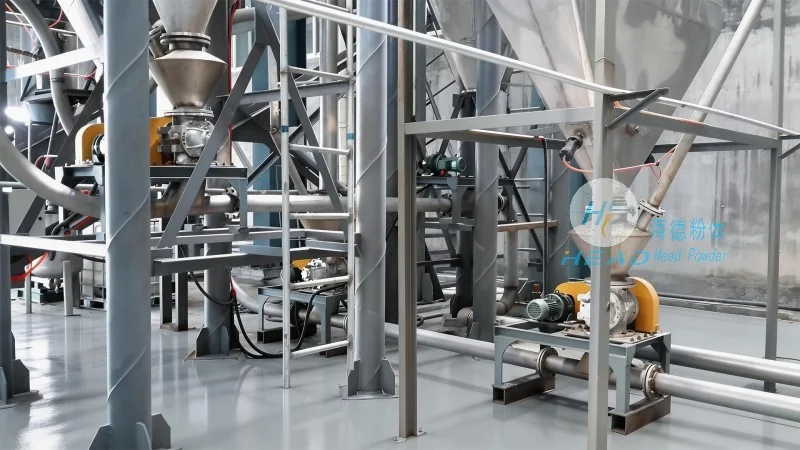
Understanding the Core Principle of Pneumatic Conveying for Cement Raw Materials
The pneumatic conveying system operates on the principle of using air as a medium to transport solid particles. In the context of cement raw materials, which often include limestone, clay, and other minerals, the equipment utilizes a combination of pressure or vacuum to move these powders from one location to another. The process typically involves a hopper or feeder that feeds the raw material into a pipeline, where compressed air or a vacuum is applied to create a flow that carries the particles through the system. This method eliminates the need for mechanical components like belts or buckets, reducing maintenance and increasing safety in handling potentially dusty or abrasive materials.
Key Working Scene Characteristics of Cement Raw Material Powder Pneumatic Conveying Equipment
Several distinct characteristics define the operational scenarios where this equipment excels. Firstly, the system is highly adaptable to varying material properties, such as particle size, density, and moisture content, which are critical factors in cement production. The ability to handle fine powders without clogging or degradation is a significant advantage, ensuring consistent quality in the final cement product. Secondly, the equipment offers flexibility in layout, allowing for horizontal, vertical, or complex multi-directional transport, which is essential in large-scale cement plants where space and infrastructure constraints are common. This adaptability enables manufacturers to optimize their production lines for maximum efficiency.
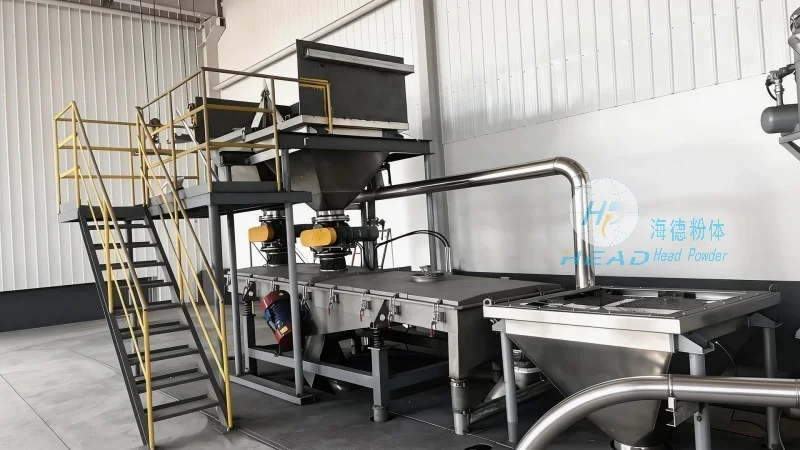
Operational Efficiency and Maintenance Considerations
Efficiency in pneumatic conveying is achieved through optimized air flow rates and pressure differentials. Proper design of the conveying line, including the use of appropriate pipe diameters and bends, minimizes energy consumption while maintaining material transport velocity. Regular maintenance, such as cleaning filters and checking for air leaks, is essential to prevent system downtime and maintain performance. The use of durable materials for components, such as stainless steel or corrosion-resistant alloys, ensures longevity and reliability, especially when handling abrasive cement raw materials that can cause wear over time.
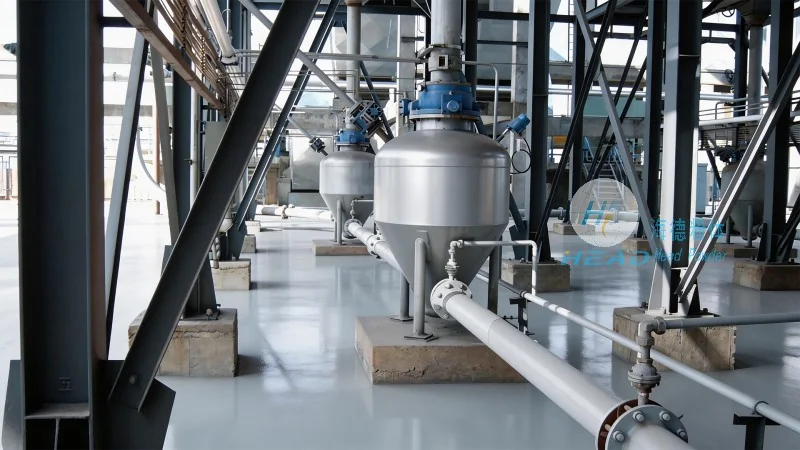
Application in Cement Production Facilities
In cement production plants, the pneumatic conveying equipment is typically integrated into the raw material preparation and feeding stages. It efficiently transports limestone, clay, and other raw materials from storage silos to the grinding mills and preheaters. The system's ability to handle large volumes of material at high speeds supports the continuous operation of the plant, reducing bottlenecks and improving overall production throughput. Additionally, the enclosed nature of the system helps in controlling dust emissions, contributing to better environmental compliance and workplace safety.
Conclusion and Company Overview
Pneumatic conveying equipment for cement raw materials represents a vital technology in modern cement production, offering enhanced efficiency, flexibility, and safety. The principles of air-based transport, combined with robust design and operational adaptability, make it an indispensable component in large-scale cement manufacturing facilities. As a leading provider in this field, Shandong HeadPowder Engineering Co., Ltd. specializes in designing and manufacturing customized pneumatic conveying solutions tailored to the specific needs of cement producers. With a focus on innovation and quality, the company ensures that its equipment meets the highest standards of performance and reliability, supporting the sustainable and efficient operation of cement plants worldwide.