

Principle and Working Scene Characteristics of Powder Pneumatic Conveying Equipment for Dust Collect
HeadPowder, a leading manufacturer based in Shandong, China, specializes in providing advanced powder handling solutions, including pneumatic conveying systems tailored for dust collection stations. This article explores the fundamental principles behind these systems and highlights the key characteristics of their operational environments.
Introduction to Pneumatic Conveying Systems in Dust Collection Stations
Pneumatic conveying equipment is a critical component in modern dust collection systems, enabling the efficient transport of bulk powders from collection points to storage or processing facilities. These systems utilize compressed air or vacuum to move powders through pipelines, offering a flexible and reliable alternative to traditional mechanical conveying methods. For dust collection stations, such as those found in industrial plants processing materials like cement, coal, or metal powders, pneumatic conveying systems provide a solution to the challenges of handling fine, dusty materials while maintaining high levels of efficiency and safety.
The Working Principle of Powder Pneumatic Conveying Equipment
The core principle of pneumatic conveying for dust collection involves the use of air to create a flow that transports particulate matter. There are two primary types of systems: positive pressure and negative pressure (or vacuum) systems. In a positive pressure system, compressed air is introduced at the inlet of the material source, creating a pressure differential that pushes the powder through the pipeline. Conversely, negative pressure systems use a vacuum at the discharge end to draw the material from the source. Both systems rely on the interaction between air and powder to achieve movement, with the design of the system tailored to the specific properties of the material being handled, such as particle size, density, and moisture content.
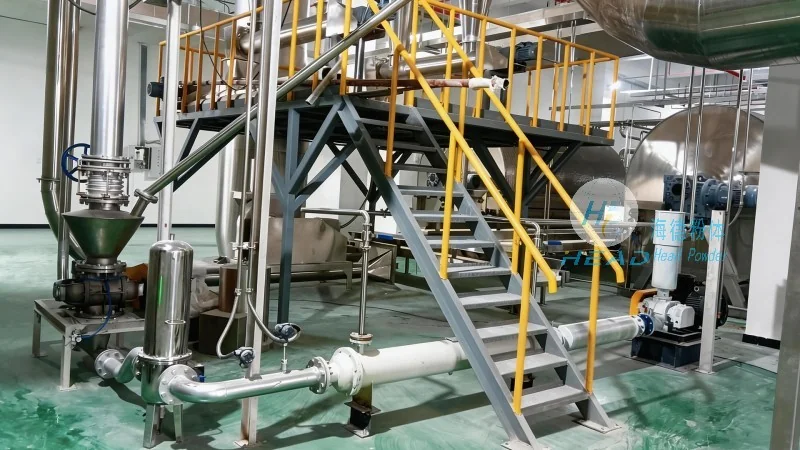
Key components of a typical pneumatic conveying system include a hopper or silo for material storage, a conveyor line (often with bends and expansion joints), a control valve, and a filter or cyclone separator to remove the powder from the air stream. The system operates by first charging the hopper with the material, then activating the air supply to initiate the conveying process. As the air flows through the pipeline, it entrains the powder particles, forming a slurry-like mixture that is transported to the destination. At the receiving end, the powder is separated from the air using a separator, and the air is typically filtered and recirculated to minimize environmental impact.
Key Characteristics of Working Scenes for Dust Collection Pneumatic Conveying
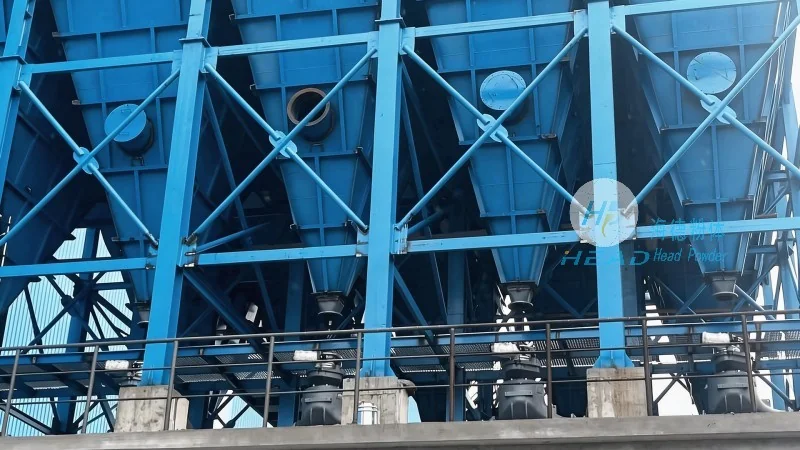
The operational environment of pneumatic conveying equipment in dust collection stations is characterized by several distinct features that influence system design and performance. First, the material being handled is often fine and abrasive, requiring materials for the conveyor line and components that can withstand wear and corrosion. For example, in cement plants, the dust collected may contain high levels of silica or other abrasive particles, necessitating the use of stainless steel or special coatings for the pipeline and hopper to ensure longevity.
Second, the distance and layout of the conveying system play a crucial role in determining the type of pneumatic conveying equipment used. Short-distance applications may use low-pressure systems, while longer distances or high-capacity requirements may necessitate high-pressure or high-capacity systems. The layout of the dust collection station, including the position of the dust hoppers and the receiving silos, also impacts the design of the pipeline network, with considerations for vertical and horizontal runs, as well as the need for bends and expansion joints to accommodate changes in direction and elevation.
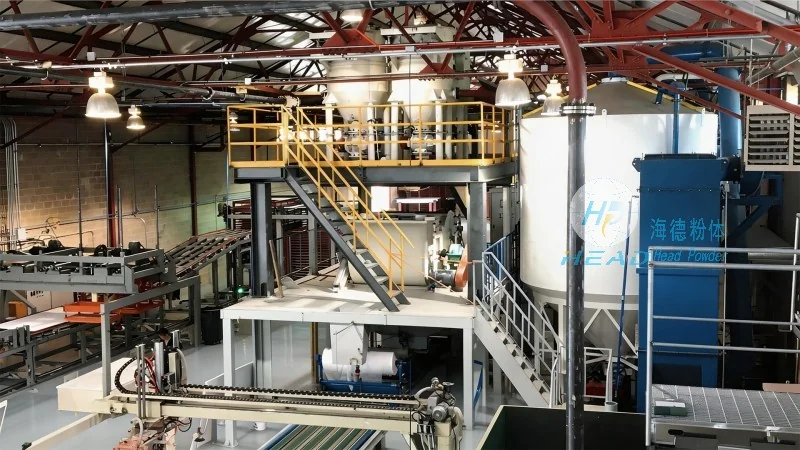
Third, the efficiency and reliability of the system are critical factors in industrial operations. Pneumatic conveying systems in dust collection stations must maintain consistent material flow rates and minimize downtime due to maintenance or system failures. This is achieved through the use of advanced control systems that monitor pressure, flow, and material levels, allowing for real-time adjustments to optimize performance. Additionally, the system must be designed to handle variations in material feed rates, such as fluctuations in production output, ensuring that the conveying capacity matches the demand without causing overloading or underloading of the pipeline.
Fourth, environmental considerations are a significant aspect of working scenes for dust collection pneumatic conveying. The system must be equipped with effective filtration and dust collection measures to prevent the release of airborne particles into the environment. This includes the use of cyclone separators, bag filters, or electrostatic precipitators to capture the powder from the air stream, ensuring compliance with environmental regulations and maintaining a clean working environment for personnel. The design of the system also takes into account the need for easy maintenance and cleaning of the filtration components to prevent clogging and ensure continuous operation.
Conclusion: The Role of Pneumatic Conveying in Efficient Dust Management
In conclusion, pneumatic conveying equipment for dust collection stations operates on a well-defined principle of using air to transport powders, with systems designed to handle the specific challenges of industrial dust management. The working scene characteristics, including material properties, system layout, operational efficiency, and environmental requirements, all contribute to the selection and optimization of the most suitable pneumatic conveying solution. As a manufacturer based in Shandong, China, HeadPowder Engineering Co., Ltd. provides tailored solutions that address these factors, ensuring reliable and efficient operation of dust collection systems in various industrial applications.