

Principle and Working Scene Characteristics of Boron Nitride Powder Pneumatic Conveying Equipment
For industrial applications involving the handling of boron nitride (BN) powder, efficient and reliable material transport is crucial. The boron nitride powder pneumatic conveying machine is a specialized equipment designed to address these needs by utilizing pneumatic conveying technology. This article explores the fundamental principles behind its operation and highlights the key characteristics of its working scenarios, providing insights into its practical applications and benefits. Manufactured by Shandong HeadPowder Engineering Co., Ltd., a leading provider of industrial material handling solutions based in China, this equipment is engineered to meet the demanding requirements of modern production environments.
Introduction to Boron Nitride Powder Pneumatic Conveying
Boron nitride, a white powder with excellent thermal stability and chemical inertness, is widely used in various industries such as electronics, ceramics, and aerospace. Handling this fine powder requires equipment that can transport it without causing dust, clogging, or degradation. The pneumatic conveying system offers a solution by using air as the conveying medium to move the powder from one location to another. This method is particularly suitable for materials that are light, fine, and prone to static or dust issues. The machine, developed by Shandong HeadPowder Engineering Co., Ltd., ensures that the powder is transported smoothly without excessive pressure drops or particle separation.
Principle of Pneumatic Conveying
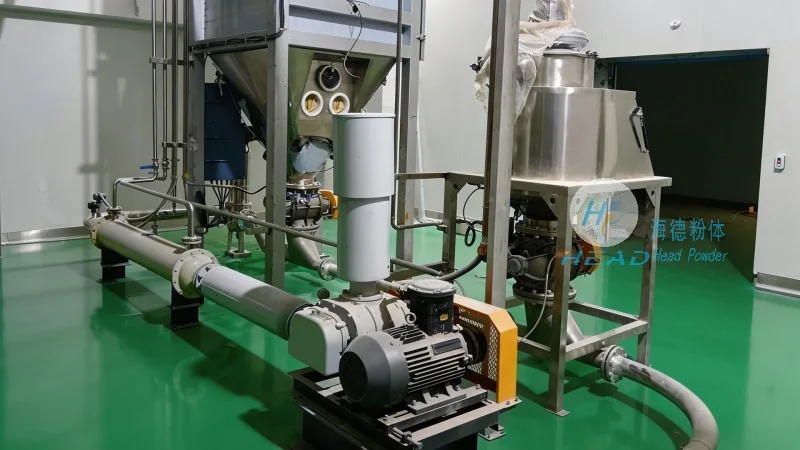
The core principle of the boron nitride powder pneumatic conveying machine is based on the movement of particles suspended in a gas stream. The system typically consists of a hopper, a blower or compressor, a pipeline system, and a discharge outlet. The process begins with the powder being fed into the hopper. As the air is introduced by the blower, it creates a pressure difference that lifts the powder particles and carries them through the pipeline. The velocity of the air and the design of the pipeline determine the efficiency of the conveying process. The machine ensures that the powder is transported smoothly without excessive pressure drops or particle separation.
Key Components and Their Functions
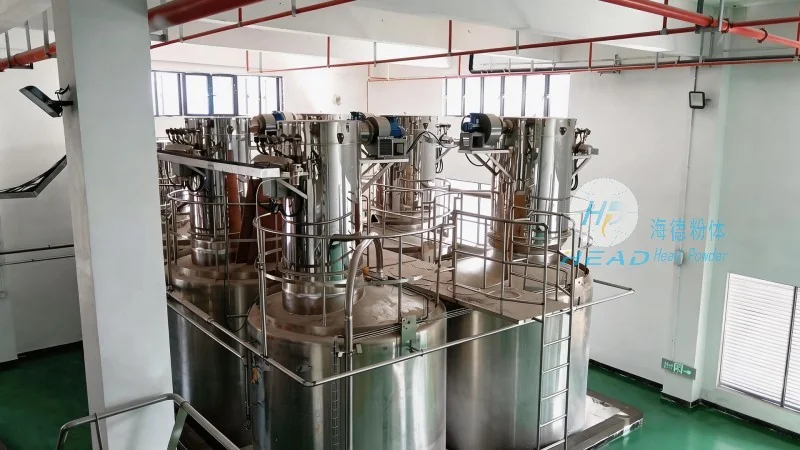
Several critical components work together to ensure the effective operation of the boron nitride powder pneumatic conveying system. The hopper serves as the storage and feeding unit, maintaining a consistent flow of powder. The blower or compressor generates the necessary air pressure and flow rate to move the material. The pipeline system, often made of materials resistant to the corrosive or abrasive nature of boron nitride, ensures the powder is conveyed without blockages. The discharge outlet is designed to release the powder at the desired location, such as a processing or storage area. Each component is engineered to handle the specific properties of boron nitride, ensuring durability and performance.
Working Scene Characteristics
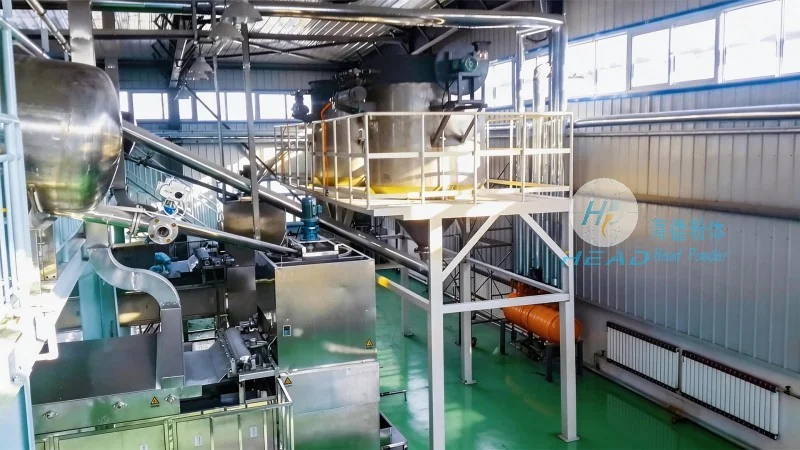
The working scene characteristics of the boron nitride powder pneumatic conveying machine are tailored to the demands of industrial environments. These machines are commonly used in scenarios where the powder needs to be transported over short to medium distances, typically within a factory or production facility. The system is ideal for applications that require clean and dust-free handling, as the enclosed pipeline prevents contamination and exposure to the environment. Additionally, the flexibility of the pneumatic conveying system allows for easy integration into existing production lines, adapting to different workflow requirements. The machine's ability to handle fine powders without clogging or degradation makes it suitable for high-purity applications, such as in the electronics industry where even minor impurities can affect product quality.
Advantages in Specific Applications
In the context of boron nitride powder handling, the pneumatic conveying machine offers several advantages over traditional methods like bucket elevators or screw conveyors. One of the primary benefits is the ability to transport the powder in an enclosed system, which minimizes dust emissions and improves workplace safety. This is particularly important in industries where air quality regulations are strict. Another advantage is the reduced risk of product contamination, as the system prevents contact with external elements. The machine also allows for precise control over the flow rate and pressure, enabling consistent and reliable material transport. For applications requiring high purity, such as in the production of ceramic components or electronic substrates, the pneumatic conveying system ensures that the powder remains in its original state, maintaining the quality of the final product.
Operational Considerations and Maintenance
Proper operation and maintenance are essential to maximize the efficiency and lifespan of the boron nitride powder pneumatic conveying machine. Regular cleaning of the hopper and pipeline is necessary to prevent the buildup of powder, which can affect the flow and pressure. The blower or compressor should be checked for proper air pressure and flow rate to ensure optimal performance. Additionally, monitoring the system for any signs of clogging or pressure drops can help identify potential issues before they become major problems. The materials used in the construction of the machine, such as stainless steel or specialized plastics, are chosen to withstand the corrosive or abrasive properties of boron nitride, reducing the need for frequent repairs. By following recommended maintenance procedures, the machine can operate efficiently for extended periods, providing consistent performance in handling boron nitride powder.
Conclusion
The boron nitride powder pneumatic conveying machine is a sophisticated piece of equipment that leverages pneumatic technology to efficiently transport fine powders. Its design and operation are tailored to the unique properties of boron nitride, ensuring reliable and clean material handling. The working scene characteristics and advantages of this machine make it an ideal solution for various industrial applications, particularly in industries where high purity and safety are paramount. By understanding the principles and components of this system, users can make informed decisions about its implementation, ensuring optimal performance and cost-effectiveness in their material handling processes.