

Principle and Working Scene Characteristics of PPSolids Pneumatic Conveying
PP solids pneumatic conveying is a critical technology in material handling, offering efficient and flexible solutions for transporting polypropylene (PP) materials across diverse industrial applications. This article delves into the fundamental principles underpinning this process and highlights the distinctive characteristics of its operational environments, as presented by Shandong HeadPowder Engineering Co., Ltd., a leading provider in the field.
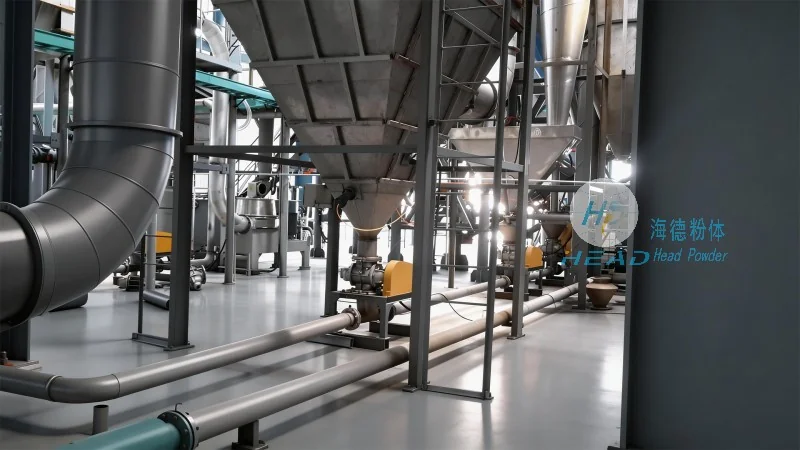
Introduction to PPSolids Pneumatic Conveying Systems
Pneumatic conveying systems utilize air or gas to transport bulk materials like polypropylene (PP) through a pipeline network. The technology is widely adopted in industries such as plastics manufacturing, chemical processing, and food processing due to its ability to handle fine powders and granules with minimal product degradation. At Shandong HeadPowder Engineering Co., Ltd., we specialize in designing and implementing customized pneumatic conveying solutions tailored to the unique requirements of each client.
The Core Principle of Pneumatic Conveying
The fundamental principle of PPSolids pneumatic conveying involves creating a pressure differential within the conveying pipeline. This is achieved by either generating positive pressure (pressure conveying) or negative pressure (vacuum conveying) to move the material. In pressure conveying, a blower or compressor pushes air through the pipeline, carrying the PP particles forward. Conversely, vacuum conveying uses a vacuum pump to draw material into the system, often from a hopper or storage silo. The choice between these methods depends on factors like material properties, distance, and system layout. Our engineers at Shandong HeadPowder Engineering Co., Ltd. carefully evaluate these variables to select the most efficient conveying method for each application.
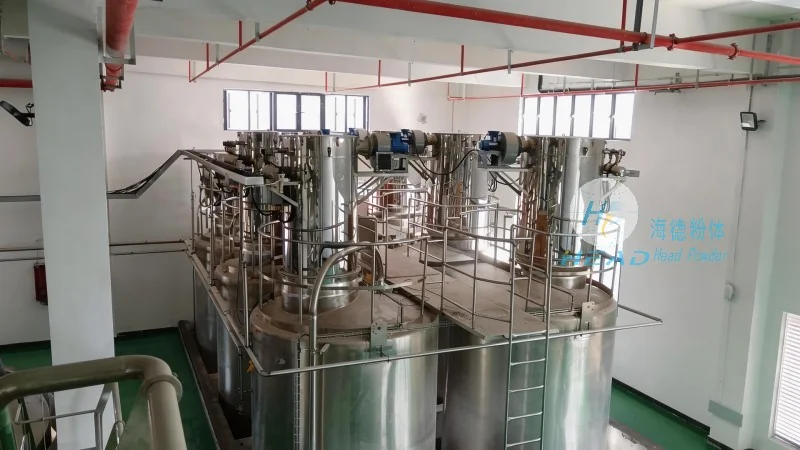
Key Components of PPSolids Pneumatic Conveying Systems
A typical PPSolids pneumatic conveying system consists of several critical components that work in tandem to ensure smooth operation. These include the material feed hopper, which holds the PP material and provides a controlled feed rate; the conveying line, which transports the material from the source to the destination; and the separation equipment, such as cyclones or filters, which separate the material from the air stream at the receiving end. Additionally, the system may incorporate accessories like rotary valves, airlocks, and pressure vessels to regulate flow and maintain system integrity. Each component is designed to handle the specific characteristics of PP materials, ensuring minimal wear and optimal performance. Shandong HeadPowder Engineering Co., Ltd. emphasizes the importance of selecting high-quality, durable components to minimize maintenance and maximize system reliability.
Working Scene Characteristics of PPSolids Pneumatic Conveying
The working scenes of PPSolids pneumatic conveying systems exhibit several key characteristics that distinguish them from other material handling methods. One of the most notable is the ability to handle fine PP powders and granules without the need for mechanical contact, reducing the risk of product contamination and degradation. This is particularly advantageous in industries where product purity is critical, such as pharmaceuticals or food processing. Another characteristic is the flexibility of the system, which allows for easy integration with existing production lines and the ability to transport materials over long distances without the need for intermediate storage or handling. The systems are also designed to be compact and space-efficient, making them suitable for installations in confined areas. Furthermore, the pneumatic conveying process is generally quiet and low-maintenance compared to traditional methods like belt conveyors or bucket elevators. These characteristics make PPSolids pneumatic conveying an attractive solution for a wide range of industrial applications.
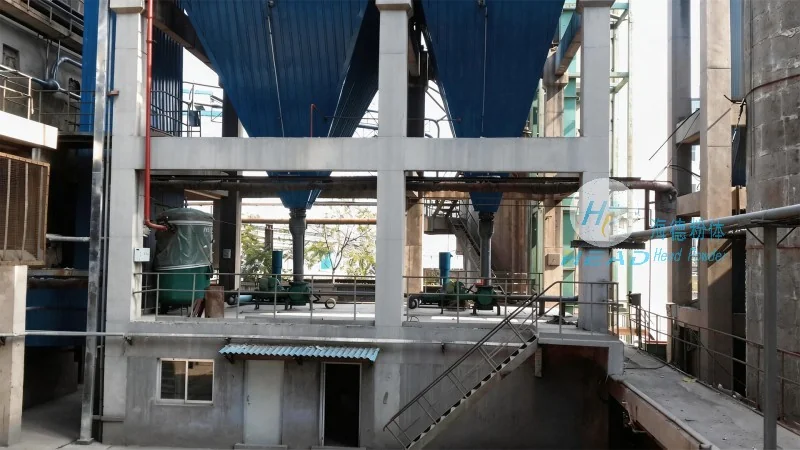
Applications and Industry Use Cases
PP solids pneumatic conveying is widely used in various industries due to its versatility and efficiency. In the plastics industry, it is commonly employed to transport PP resin from storage silos to extrusion or molding machines. The system ensures a consistent and controlled feed rate, which is crucial for maintaining product quality and reducing downtime. In chemical processing, PPSolids pneumatic conveying is used to transport fine powders and granules between processing units, such as reactors and reactors. The technology is also applied in the food and beverage industry to handle ingredients like PP-based food additives or flavorings, where hygiene and product purity are paramount. Shandong HeadPowder Engineering Co., Ltd. has successfully implemented pneumatic conveying systems for clients in these industries, demonstrating the effectiveness of the technology in improving operational efficiency and reducing costs.
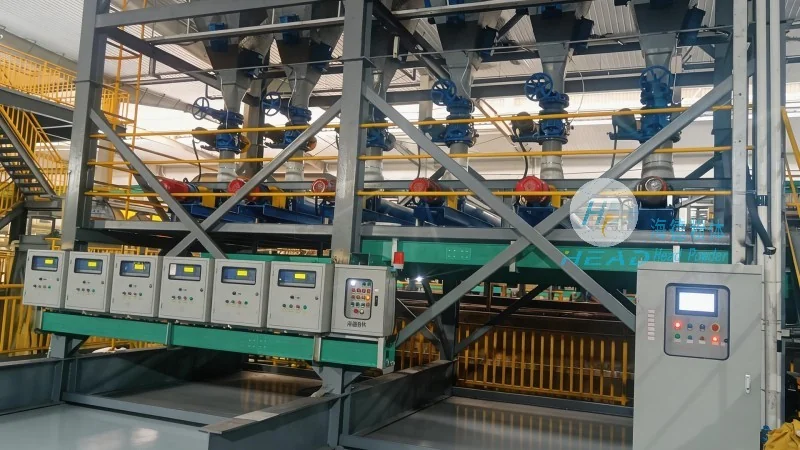
Advantages and Considerations for PPSolids Pneumatic Conveying
Implementing PPSolids pneumatic conveying systems offers several advantages, including increased productivity, reduced labor costs, and improved product quality. The technology allows for continuous material flow, eliminating the need for manual handling and reducing the risk of material spillage or contamination. Additionally, the system can be automated to integrate with other production processes, enhancing overall operational efficiency. However, there are also considerations to keep in mind when adopting this technology. For example, the system requires proper air filtration to prevent dust accumulation and maintain air quality. The initial investment cost may be higher compared to traditional methods like belt conveyors or bucket elevators, but the long-term benefits often outweigh the upfront expenses. Shandong HeadPowder Engineering Co., Ltd. provides comprehensive support to clients, including system design, installation, and maintenance, ensuring that the benefits of pneumatic conveying are fully realized.
Conclusion
Polypropylene (PP) solids pneumatic conveying is a sophisticated and efficient technology that plays a vital role in modern industrial material handling. By understanding the fundamental principles and working scene characteristics of these systems, industries can leverage this technology to improve operational efficiency, reduce costs, and enhance product quality. Shandong HeadPowder Engineering Co., Ltd. remains committed to providing innovative and reliable pneumatic conveying solutions, helping clients achieve their material handling goals with precision and excellence.