

Operation Process and Working Principle of Synthetic Fiber Powder Conveyors
For industries dealing with synthetic fiber powders, efficient and reliable material handling is crucial. Synthetic fiber powder conveyors, as advanced equipment designed by Shandong HeadPowder Engineering Co., Ltd., play a vital role in ensuring smooth production processes. This equipment is engineered to handle the unique challenges posed by synthetic fiber powders, such as their fine particle size, static electricity, and tendency to agglomerate. By understanding the operation process and working principle of these conveyors, users can optimize their material handling systems and enhance overall operational efficiency.
Key Components of Synthetic Fiber Powder Conveyors
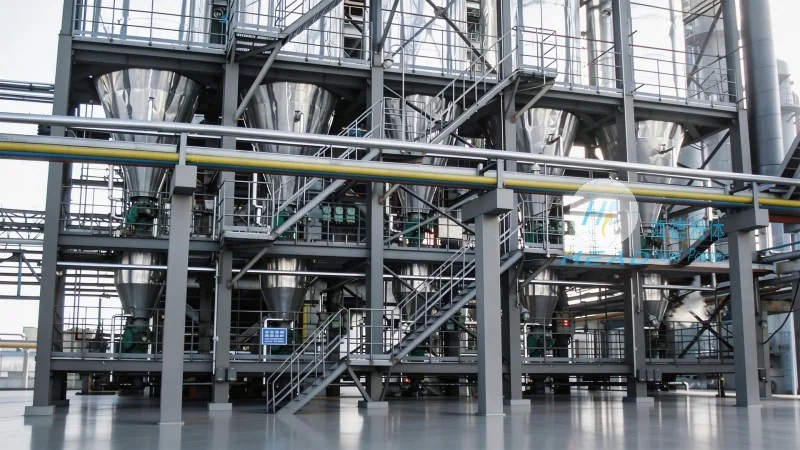
The synthetic fiber powder conveyor system consists of several critical components that work in tandem to ensure effective material transport. The main components include a hopper for material storage, a feeding mechanism to control the flow of powder, a conveyor belt or screw mechanism for transporting the material, and a discharge outlet for delivering the material to the next stage of processing. Additionally, the system may incorporate features like static elimination devices, dust collection systems, and adjustable speed controls to address the specific properties of synthetic fiber powders. Each component is carefully designed to minimize material loss, prevent clogging, and maintain consistent flow rates, which are essential for maintaining product quality and reducing downtime.
Operation Process of Synthetic Fiber Powder Conveyors
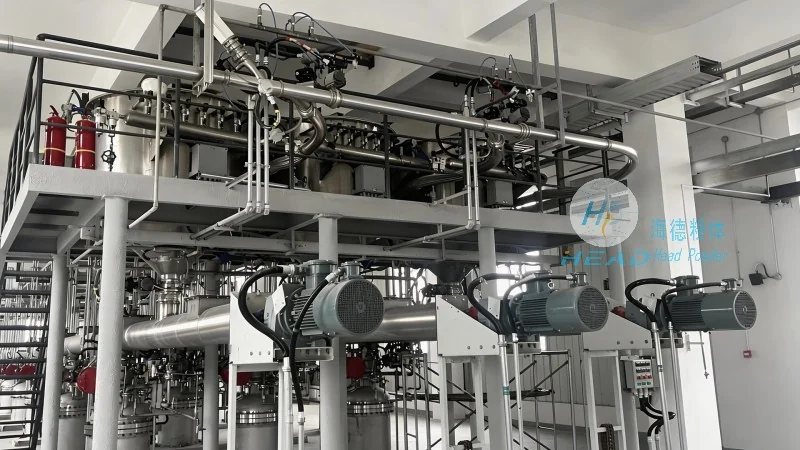
The operation process of synthetic fiber powder conveyors begins with the loading of synthetic fiber powder into the hopper. The feeding mechanism then regulates the flow of powder into the conveyor system, ensuring a consistent and controlled feed rate. The conveyor mechanism, whether a belt or screw conveyor, then transports the powder through the system. During this process, the conveyor may incorporate features like vibration or agitation to prevent agglomeration and ensure uniform material movement. The material is then discharged from the conveyor into the next processing unit or storage container. The entire operation is typically controlled by a user-friendly interface that allows operators to adjust parameters like speed, feed rate, and discharge position to match the specific requirements of the production line. This control system ensures that the conveyor operates efficiently and safely, minimizing the risk of material spillage or equipment damage.
Working Principle of Synthetic Fiber Powder Conveyors
The working principle of synthetic fiber powder conveyors is based on mechanical energy to move the material from the hopper to the discharge point. The feeding mechanism, often a rotary valve or screw feeder, controls the initial flow of powder into the conveyor. The conveyor itself, which may be a belt conveyor with a special surface or a screw conveyor with a helical blade, uses rotational motion to propel the powder forward. For synthetic fiber powders, which are prone to static electricity, the conveyor may be equipped with static elimination devices, such as ionizers or anti-static coatings, to prevent material buildup and ensure smooth operation. The discharge mechanism, which can be a rotary valve or a gate, regulates the outflow of the material, ensuring a controlled and consistent discharge rate. The entire system is designed to handle the unique characteristics of synthetic fiber powders, including their fine particle size and tendency to form clumps, by incorporating features that maintain material flow and prevent clogging. This working principle ensures that the conveyor operates reliably and efficiently, even with challenging materials like synthetic fiber powders.
Benefits and Applications of Synthetic Fiber Powder Conveyors
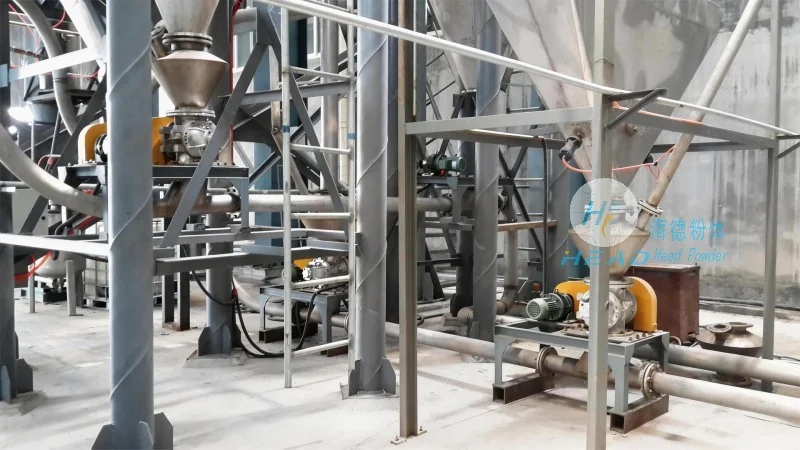
Shandong HeadPowder Engineering Co., Ltd. synthetic fiber powder conveyors offer numerous benefits for industries that handle synthetic fiber powders. These include improved material handling efficiency, reduced downtime due to clogging or equipment failure, and enhanced product quality through consistent flow rates. The conveyors are widely used in applications such as textile manufacturing, chemical processing, and pharmaceutical production, where the handling of fine powders is critical. The equipment is designed to handle a wide range of synthetic fiber powders, including polyester, nylon, and acrylic fibers, and can be customized to meet the specific needs of different production processes. By using these conveyors, industries can achieve better control over their material handling operations, leading to increased productivity and cost savings. The reliable performance of the conveyors also contributes to a safer working environment by minimizing the risk of material spills and dust emissions.