

What is a Fly Ash Particle Material Pneumatic Conveying Line? And What Are Its Design Principles?
For industrial facilities dealing with fly ash, an efficient and reliable method of material handling is crucial. The fly ash particle material pneumatic conveying line, also known as a pneumatic conveying system, is a key technology in this domain. This system is designed to transport fly ash particles from one location to another using air as the conveying medium. Understanding the fundamentals of this equipment and its design principles is essential for optimizing material handling processes in various industrial applications.
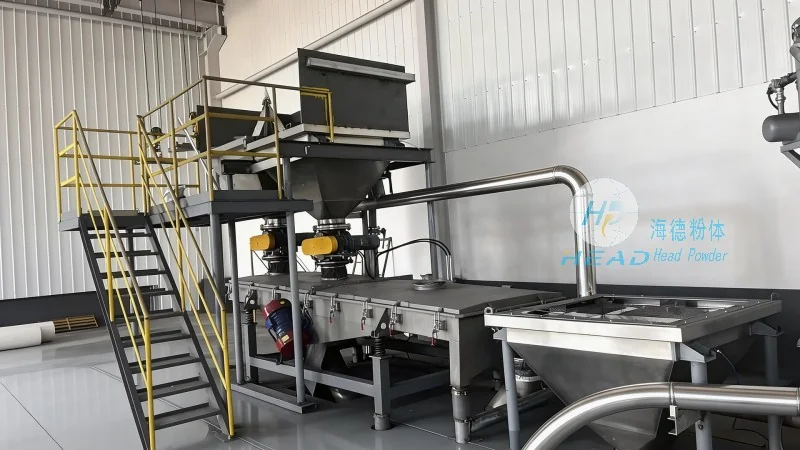
Components of a Fly Ash Pneumatic Conveying System
A typical fly ash particle material pneumatic conveying line consists of several core components that work in tandem to ensure smooth operation. The primary components include the material feed hopper, the conveying pipeline, the air compressor or blower, the control system, and the discharge unit. The feed hopper is responsible for storing and feeding the fly ash particles into the system. The pipeline, often made of stainless steel or other corrosion-resistant materials, transports the particles along the designated path. The air compressor generates the necessary pressure to move the particles through the pipeline. The control system monitors and regulates the flow of air and material, ensuring safe and efficient operation. Finally, the discharge unit collects the fly ash at the destination point.
Design Principles for Pneumatic Conveying Lines
The design of a fly ash particle material pneumatic conveying line is based on several critical principles to ensure optimal performance and reliability. One of the fundamental principles is the selection of appropriate air velocity. The air velocity must be sufficient to lift and transport the fly ash particles but not so high as to cause excessive wear on the pipeline or equipment. The system design also considers the particle size and density of the fly ash, as these factors influence the required air pressure and velocity. Additionally, the pipeline layout is carefully planned to minimize bends and changes in direction, which can cause particle deposition and blockages. The system also incorporates features such as pulse-jet cleaning to prevent clogging and maintain consistent performance.
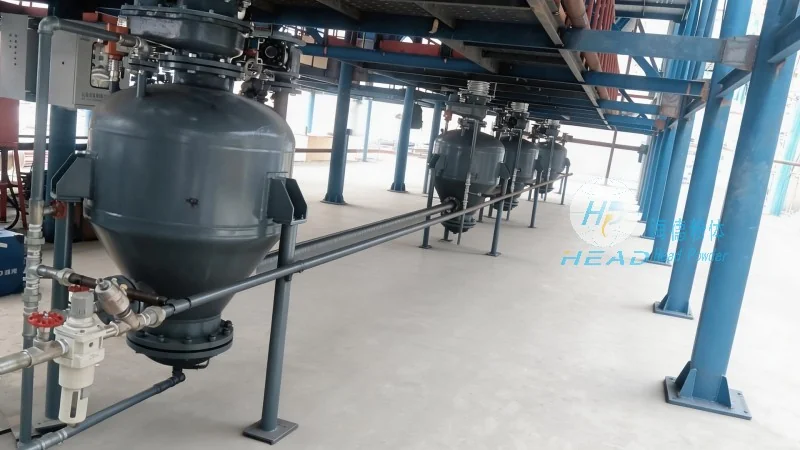
Advantages of Using Pneumatic Conveying for Fly Ash Handling
Implementing a fly ash particle material pneumatic conveying line offers numerous advantages over traditional material handling methods. One of the key benefits is the ability to transport fly ash in a dust-free environment, reducing the risk of airborne particulate emissions and improving workplace safety. The system also allows for the integration of multiple feeding and discharge points, enabling flexible material routing and process optimization. Furthermore, pneumatic conveying systems are generally more compact and require less floor space compared to mechanical conveyors, making them suitable for facilities with limited space. The continuous operation of the system also contributes to increased productivity and reduced downtime, as there are no moving parts that require frequent maintenance or replacement.
Applications and Industries
Fly ash particle material pneumatic conveying lines are widely used in various industries that generate or handle fly ash. These include power plants, cement production facilities, and industrial waste treatment plants. In power plants, the system is used to transport fly ash from the boiler to the storage silos or for further utilization in cement production. In cement plants, the fly ash is often used as a supplementary cementitious material, and the pneumatic conveying line facilitates its transport from the storage area to the mixing and grinding units. Additionally, in industrial waste treatment facilities, the system helps in the handling and disposal of fly ash, ensuring compliance with environmental regulations.
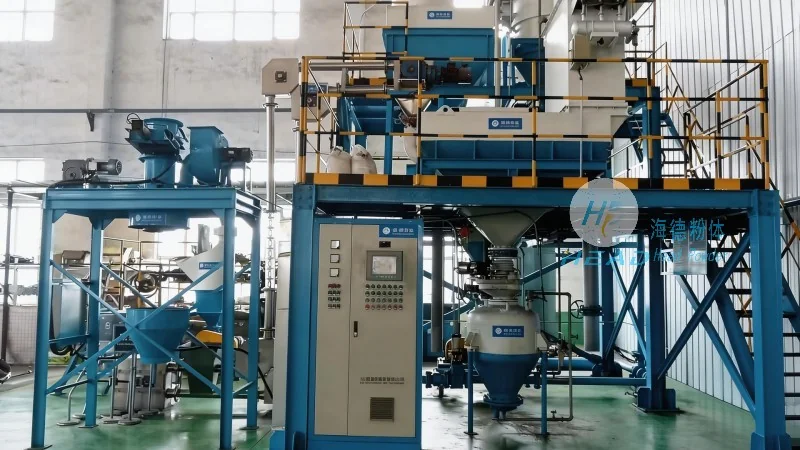
Customization and Scalability
Shandong HeadPowder Engineering Co., Ltd. specializes in designing and manufacturing customized fly ash particle material pneumatic conveying lines to meet the specific needs of different industrial applications. The company, known as headpowder, offers a range of solutions tailored to various particle sizes, flow rates, and operational requirements. The systems can be scaled from small-scale applications to large industrial installations, ensuring that the equipment is suitable for both new construction projects and retrofitting existing facilities. The company's expertise in material handling technology allows for the integration of advanced features such as variable speed drives, automated control systems, and real-time monitoring, enhancing the overall efficiency and reliability of the conveying line.
Conclusion
In conclusion, the fly ash particle material pneumatic conveying line is a vital component in modern industrial material handling, offering efficient, reliable, and dust-free transport of fly ash particles. The design principles and components of this system are carefully engineered to ensure optimal performance and longevity. With the expertise of companies like Shandong HeadPowder Engineering Co., Ltd., also known as headpowder, based in China, facilities can implement effective solutions for their fly ash handling needs, improving operational efficiency and compliance with environmental standards.