

What is a Chromium(III) Oxide Material Pneumatic Conveying Line? And What Are Its Design Principles?
Chromium(III) oxide, also known as chromium(III) oxide or Cr₂O₃, is a widely used inorganic compound in various industrial applications. When it comes to handling this material efficiently and safely, pneumatic conveying systems have become a preferred solution. This article explores the concept of a chromium(III) oxide material pneumatic conveying line and delves into the underlying design principles that ensure optimal performance.
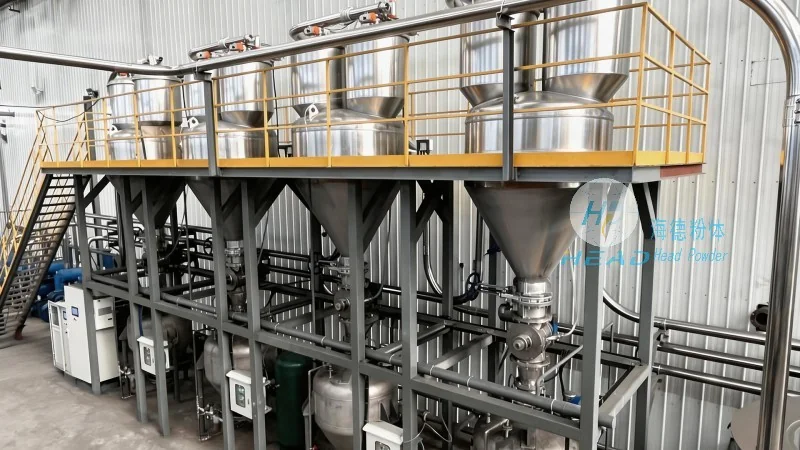
Understanding the Chromium(III) Oxide Material Pneumatic Conveying Line
A chromium(III) oxide material pneumatic conveying line is a specialized system designed to transport fine powders of chromium(III) oxide from one location to another using air or other gases as the conveying medium. Unlike traditional mechanical conveying methods, which rely on belts, screws, or buckets, pneumatic systems utilize the force of moving air to move the material through pipes. This approach is particularly advantageous for handling delicate or abrasive materials like chromium(III) oxide, as it minimizes product degradation and reduces the risk of contamination.
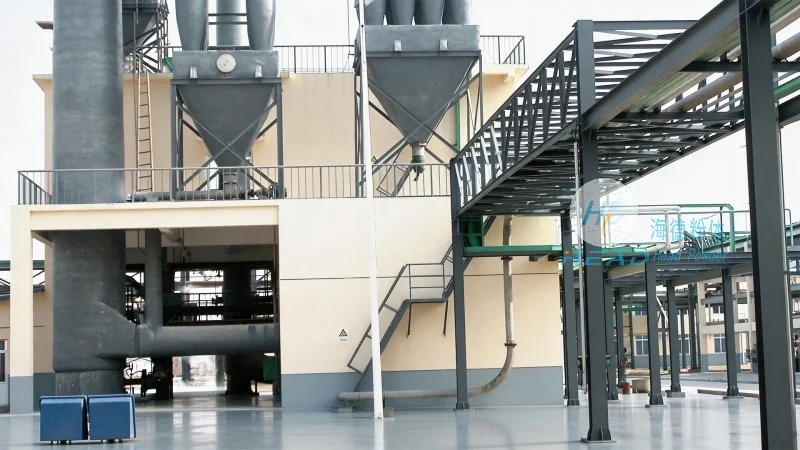
Key Components of the Pneumatic Conveying System
The effectiveness of a chromium(III) oxide material pneumatic conveying line depends on several critical components that work in tandem to ensure smooth operation. These components typically include a material feed hopper, a conveying line (usually made of stainless steel or other corrosion-resistant materials), a pressure vessel or receiver, and a control system. The feed hopper is responsible for storing and feeding the chromium(III) oxide powder into the system, while the conveying line transports the material to the destination. The pressure vessel or receiver collects the material and may include features such as a dust filter or cyclone separator to prevent air leakage and maintain air quality. The control system monitors and regulates the flow of material and air, ensuring consistent performance and preventing overloading or underloading of the system.
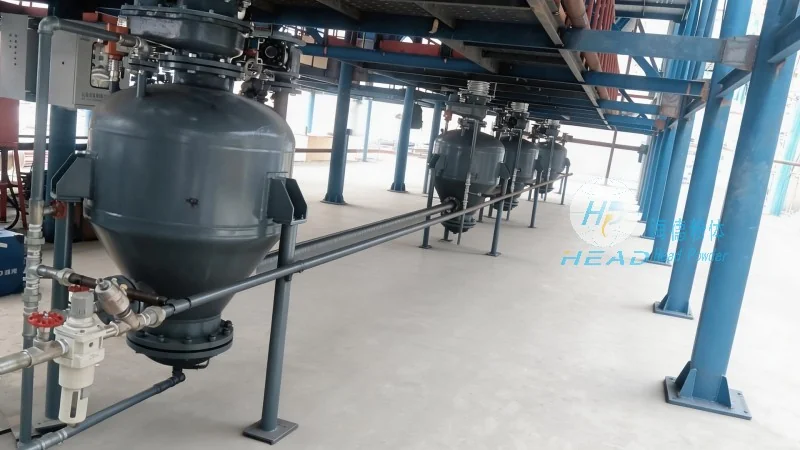
Design Principles for Optimal Performance
The design of a chromium(III) oxide material pneumatic conveying line is governed by several key principles that ensure efficiency, reliability, and safety. One of the primary considerations is the material's properties, such as its particle size, density, and flowability. These characteristics influence the choice of conveying velocity and pressure required to move the material through the system. For example, finer particles may require higher air velocities to prevent clogging, while larger particles may need lower velocities to avoid excessive wear on the system components. Another critical design principle is the system's pressure and flow rate. The pressure must be sufficient to overcome the resistance of the conveying line and any obstacles, such as bends or fittings, while maintaining a stable flow rate. This balance is crucial to prevent air leakage, which can lead to product loss and reduced efficiency. Additionally, the system's design must account for the potential for material buildup or blockages, which can occur due to the abrasive nature of chromium(III) oxide. To mitigate this risk, designers often incorporate features such as pulse jets or vibration systems to keep the material moving and prevent clogs.
Advantages of Using a Pneumatic Conveying Line for Chromium(III) Oxide
Implementing a chromium(III) oxide material pneumatic conveying line offers several advantages over traditional conveying methods. First, it provides a clean and dust-free environment, which is essential for handling sensitive materials like chromium(III) oxide. The enclosed system prevents dust from escaping into the workplace, reducing the risk of respiratory issues and contamination. Second, pneumatic conveying systems are highly flexible and can be easily integrated into existing production lines. They can transport materials over long distances and through multiple points, making them suitable for complex manufacturing processes. Third, these systems are energy-efficient compared to mechanical conveying methods, as they use less power to move the material. Finally, the system's design allows for easy maintenance and cleaning, which is important for maintaining product quality and compliance with regulatory standards.
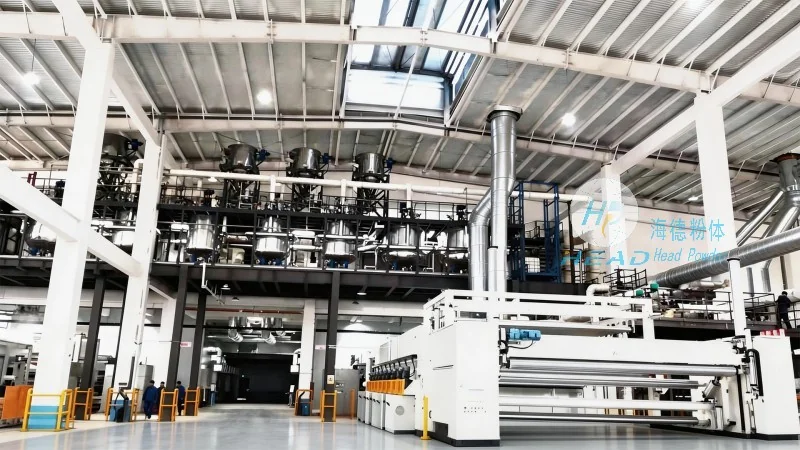
Conclusion
In conclusion, a chromium(III) oxide material pneumatic conveying line is a sophisticated and efficient solution for handling this critical industrial material. The design principles that govern these systems, including the selection of appropriate components, consideration of material properties, and optimization of pressure and flow rates, are essential to ensure optimal performance. By leveraging the advantages of pneumatic conveying, such as cleanliness, flexibility, and energy efficiency, industries can improve their production processes and maintain product quality. As a leading provider in this field, Shandong HeadPowder Engineering Co., Ltd. specializes in designing and manufacturing customized pneumatic conveying systems tailored to the specific needs of chromium(III) oxide applications, ensuring reliable and efficient material handling solutions for its clients.