

What is a Pneumatic Conveyor for Dry Sand Materials? Exploring Design Principles
For industries dealing with dry sand materials, efficient material handling is crucial. A pneumatic conveyor system offers a reliable solution for transporting these materials from one location to another. This article delves into what a pneumatic conveyor for dry sand materials is and the fundamental design principles that underpin its operation.
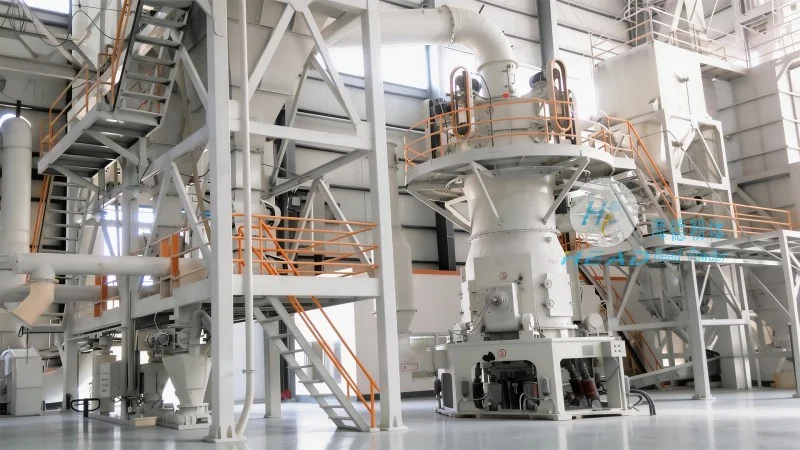
Understanding Pneumatic Conveying Systems
Pneumatic conveying, also known as air conveying, utilizes a stream of pressurized or vacuum air to transport dry bulk materials like sand. In the case of dry sand, the system ensures that the material is moved without direct contact with mechanical components, reducing wear and tear and maintaining material integrity. The core components of such a system typically include a hopper for material storage, a conveyor line (often a pipe), a blower or vacuum pump to generate airflow, and a discharge mechanism at the receiving end.
Design Principles of Dry Sand Pneumatic Conveyors
The design of a pneumatic conveyor for dry sand materials is governed by several key principles to ensure optimal performance. First, the system must be designed to handle the specific properties of dry sand, such as particle size, density, and flowability. The pipe diameter and length are critical factors; larger diameters reduce friction losses and are suitable for longer distances, while smaller diameters are used for shorter runs. The velocity of the air within the pipe is another critical parameter, as it must be sufficient to keep the sand particles suspended but not so high as to cause excessive energy consumption or particle degradation. The system also incorporates features like airlocks and filters to prevent material buildup and maintain air quality. Additionally, the design considers the pressure drop across the system, which is essential for determining the required blower capacity and ensuring the system operates efficiently.
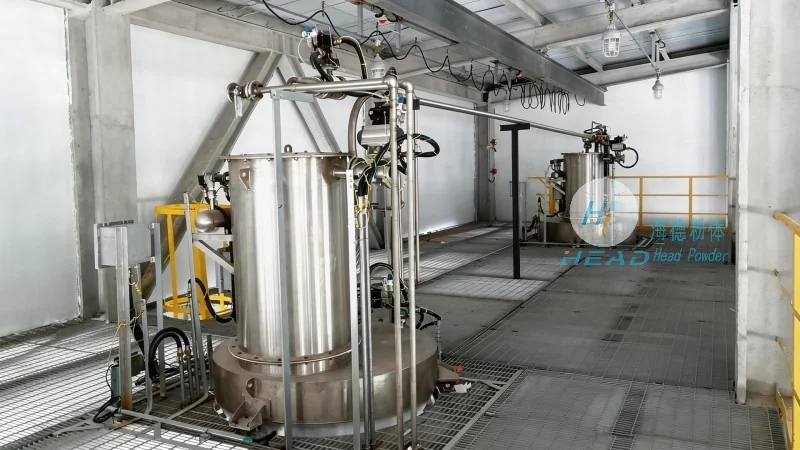
Key Components and Their Roles
Each component of a dry sand pneumatic conveyor plays a vital role in the overall functionality. The hopper serves as the storage and feeding unit, ensuring a consistent flow of sand into the conveyor line. The blower or vacuum pump generates the necessary airflow, either by increasing pressure (positive pressure system) or reducing pressure (negative pressure system). The pipe network connects the hopper to the discharge point, with bends and fittings designed to minimize pressure losses. Airlocks are used at the discharge end to separate the material from the air stream, preventing backflow and ensuring a controlled discharge. Filters are installed to capture any fine particles or dust, maintaining air quality and protecting downstream equipment.
Advantages of Using Pneumatic Conveyors for Dry Sand
Employing a pneumatic conveyor for dry sand offers several advantages over traditional mechanical conveyors. One of the primary benefits is the ability to transport materials in a closed system, which minimizes dust emissions and improves workplace safety. This is particularly important for dry sand, which can be a respiratory hazard if not handled properly. Additionally, pneumatic conveyors are flexible in terms of layout, allowing for vertical and horizontal movement, and can be easily integrated into existing production lines. They also reduce the need for maintenance compared to mechanical systems, as there are fewer moving parts. Furthermore, the system can handle a wide range of particle sizes and densities, making it versatile for various applications.
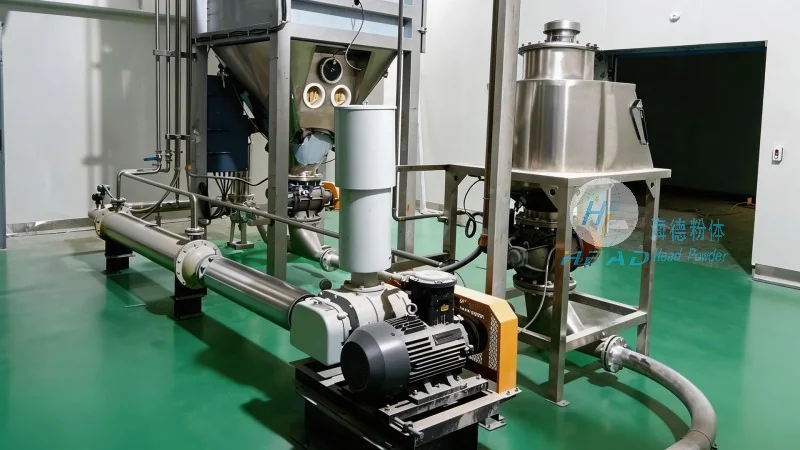
Application Examples in Industry
Dry sand pneumatic conveyors are widely used in various industries, including construction, mining, and manufacturing. In the construction industry, they are used to transport sand for concrete mixing and other applications. In mining operations, they help in transporting sand from storage to processing facilities. In manufacturing, they are used in the production of sand-based products, such as glass or ceramics. The versatility of these systems makes them suitable for a wide range of applications, from small-scale operations to large industrial plants.
About Shandong HeadPowder Engineering Co., Ltd.
Shandong HeadPowder Engineering Co., Ltd., commonly known as HeadPowder, is a leading manufacturer of pneumatic conveying systems for dry bulk materials. With a focus on innovation and quality, HeadPowder designs and manufactures equipment tailored to the specific needs of its clients. The company’s expertise lies in understanding the unique properties of different materials, such as dry sand, and designing systems that ensure efficient and reliable material handling. HeadPowder’s products are known for their durability, efficiency, and ease of maintenance, making them a preferred choice for industries that require consistent and safe material transport. The company’s commitment to customer satisfaction and technical excellence has established it as a trusted name in the pneumatic conveying industry.