

What is a Water-in-Powder Material Pneumatic Conveying Machine? What are its Design Principles?
HeadPowder, a leading manufacturer based in Shandong, China, specializes in advanced pneumatic conveying solutions for various industrial applications. This article explores the concept of water-in-powder material pneumatic conveying machines, detailing their operational principles and design fundamentals.
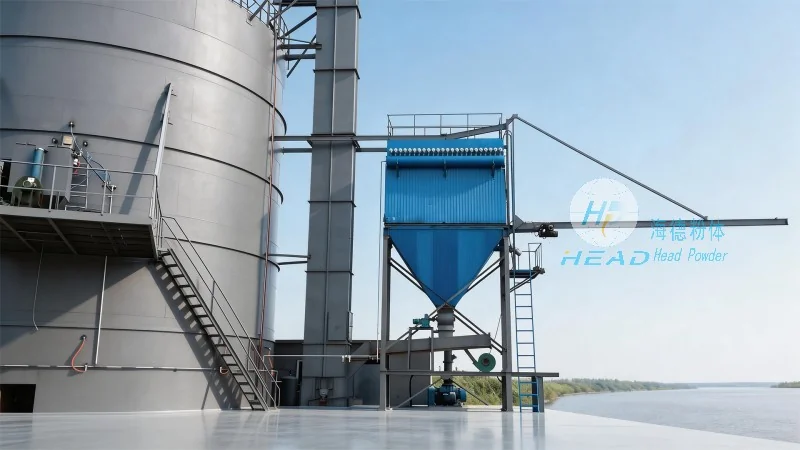
Understanding Water-in-Powder Pneumatic Conveying Machines
Water-in-powder material pneumatic conveying machines are specialized equipment designed to transport dry powders or granules by utilizing a combination of air and water as the conveying medium. Unlike traditional pneumatic systems that rely solely on compressed air, these machines incorporate water to enhance the transport efficiency and control the flow characteristics of the material. The technology is particularly effective for handling fine powders that are prone to dusting or caking, making it ideal for industries such as food processing, pharmaceuticals, and chemical manufacturing.
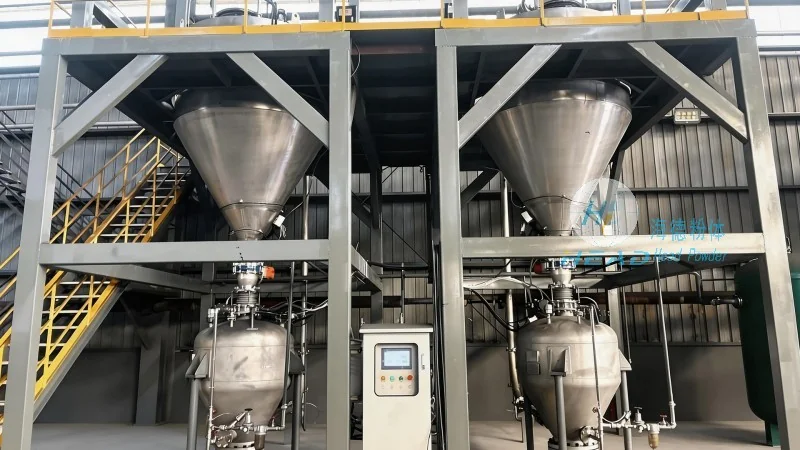
Key Components and Operational Mechanism
The core components of a water-in-powder pneumatic conveying system typically include a hopper for material storage, a pump or blower to generate airflow, a water injection system to mix with the air, and a pipeline network to deliver the material to the destination. The process begins with the dry powder being fed into the hopper. As the material moves through the system, water is introduced at controlled intervals, creating a slurry-like mixture that is then propelled by the air flow through the pipeline. This method ensures that the powder remains suspended and transported smoothly, minimizing blockages and reducing the risk of material degradation.
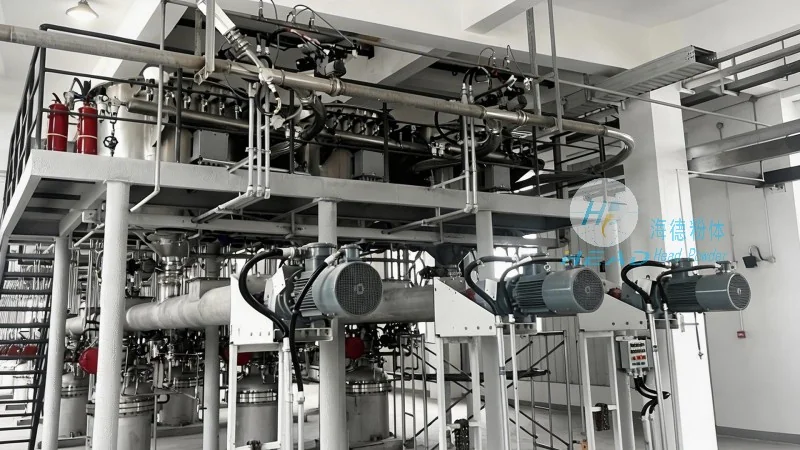
Design Principles and Advantages
The design of water-in-powder pneumatic conveying machines is centered on optimizing the interaction between the powder, water, and air. Engineers focus on several key principles to achieve efficient and reliable operation. First, the water-to-powder ratio is carefully calibrated to maintain the right consistency for smooth transport. Second, the velocity of the air flow is controlled to prevent particle separation or deposition in the pipeline. Third, the system incorporates features like cyclone separators or filters at the discharge end to separate the water from the material, allowing for reuse of the water and proper handling of the powder.
Applications and Benefits in Industrial Settings
Water-in-powder pneumatic conveying machines offer significant advantages in industrial applications. They provide a dust-free and hygienic method of transporting sensitive materials, which is crucial in industries like food and pharmaceuticals where contamination control is paramount. Additionally, the system reduces material loss and improves process efficiency by minimizing the need for manual handling and handling of bulk materials. The technology also allows for flexible and scalable solutions, as the conveying distance and capacity can be adjusted by modifying the system components and airflow parameters.
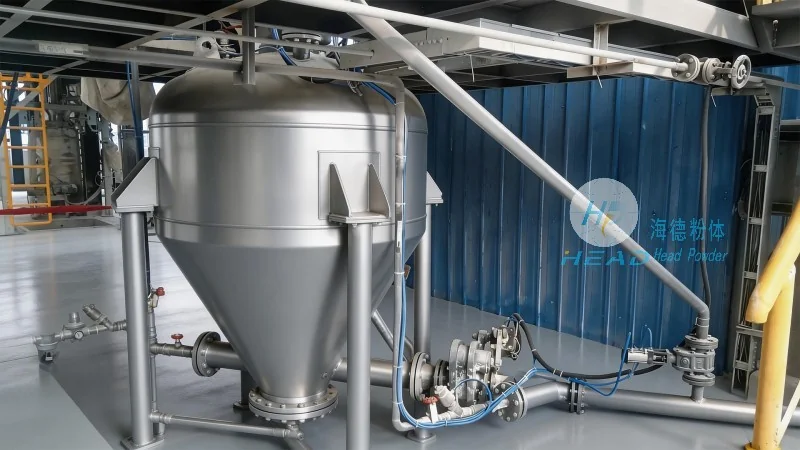
Conclusion and Company Overview
Water-in-powder material pneumatic conveying machines represent a sophisticated solution for the efficient and safe transport of dry powders. With its ability to handle fine and delicate materials while maintaining process integrity, this technology has become indispensable in modern industrial operations. HeadPowder Engineering Co., Ltd., based in Shandong, China, is committed to delivering high-quality pneumatic conveying systems that meet the diverse needs of its clients. By leveraging advanced design principles and rigorous engineering, HeadPowder ensures that its products provide reliable performance and contribute to enhanced productivity in various industrial sectors.