

What is a Micropowder Material Pneumatic Conveying Machine? What are its Design Principles?
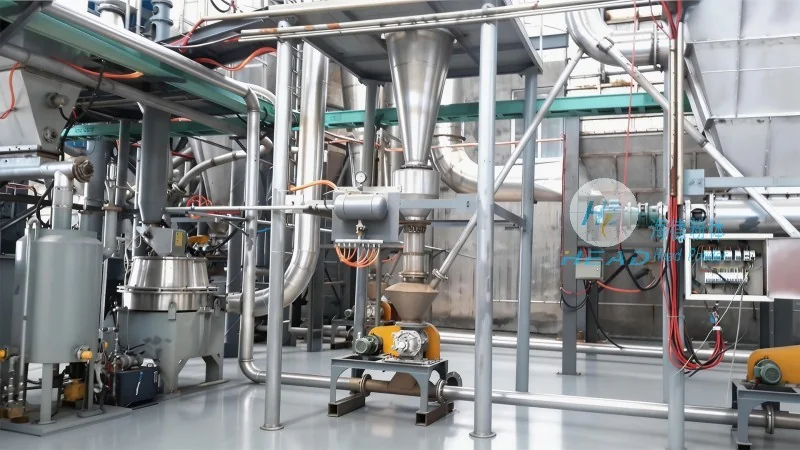
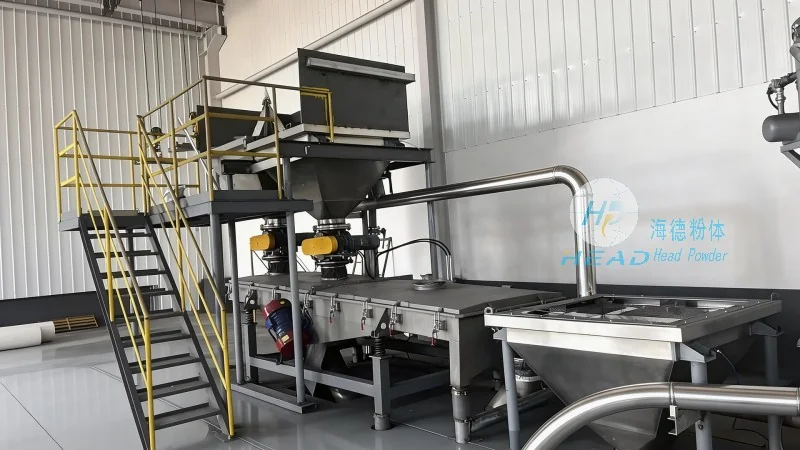
A micropowder material pneumatic conveying machine is a specialized industrial equipment designed to transport fine powders and granular materials through a pipeline using air or other gas as the conveying medium. This technology is particularly crucial for handling materials like micropowders, which are characterized by their small particle size and high reactivity. The machine operates by creating a pressure differential within the pipeline, allowing the material to be suspended and moved efficiently from the source to the destination. This method offers significant advantages over traditional mechanical conveying systems, such as reduced wear and tear on equipment, lower maintenance costs, and improved material handling safety. By leveraging the principles of fluid dynamics and material science, these machines enable the seamless transfer of micropowders in applications ranging from pharmaceuticals and food processing to chemical manufacturing and industrial minerals.
The Design Principles Behind Micropowder Material Pneumatic Conveying Machines
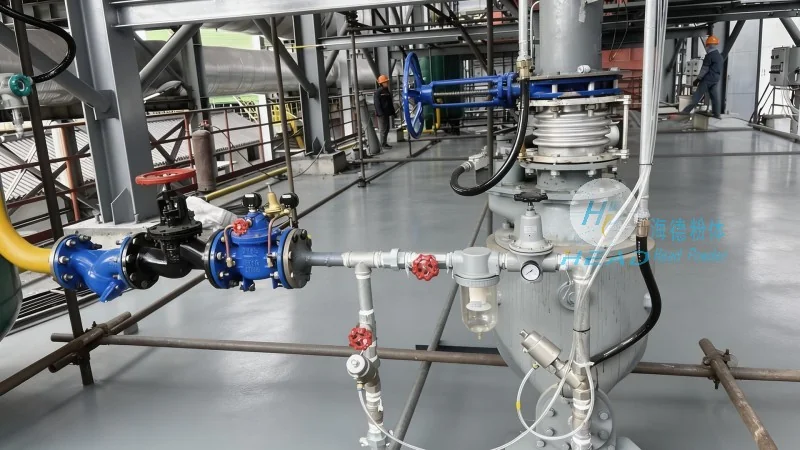
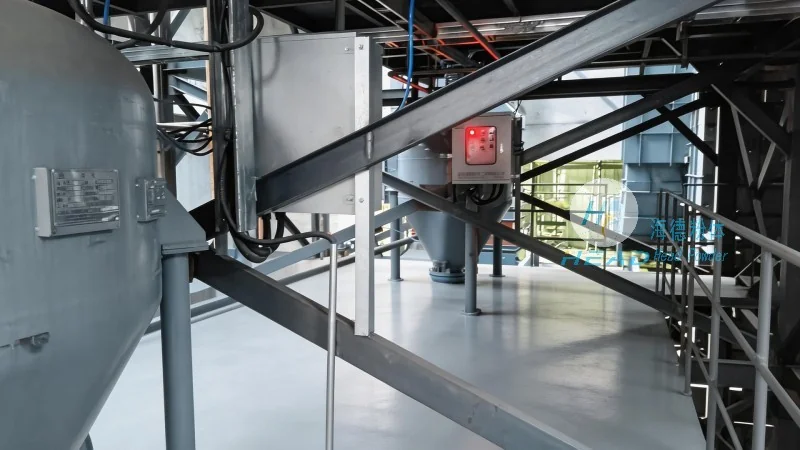
The design of a micropowder material pneumatic conveying machine is based on several key principles that ensure optimal performance and reliability. The first principle is the creation of a consistent air flow, which is achieved through the use of high-efficiency blowers or compressors. These components generate sufficient pressure to lift and transport the micropowder particles through the pipeline, typically operating at pressures ranging from low to medium, depending on the material's properties and the conveying distance. The second principle involves the use of appropriate pipeline configurations, including straight sections, bends, and expansion joints, which are designed to minimize pressure losses and prevent particle deposition. The design also incorporates features such as air locks and filters to maintain the purity of the conveyed material and protect the equipment from contamination. Additionally, the machine's control system plays a critical role in regulating the air flow and material feed rate, ensuring stable operation and preventing overloading or underloading conditions. The selection of materials for the pipeline and components, such as stainless steel or special alloys, is also a key design consideration to prevent corrosion and ensure long-term durability.