

What is a Resin Powder Material Pneumatic Conveying Machine? And What Are Its Design Principles?
Resin powder pneumatic conveying machines are specialized equipment designed for the efficient and reliable transportation of resin powders in industrial settings. These machines utilize pneumatic principles to move bulk materials through a system of pipes and ducts, offering a flexible and often more cost-effective alternative to traditional mechanical conveying methods. The core function of such equipment is to handle fine resin powders, which can be challenging to transport due to their light weight, tendency to agglomerate, or sensitivity to moisture. By leveraging air pressure or vacuum, these machines can transport resin powders over significant distances with minimal product degradation, making them essential in various manufacturing processes, including plastics production, chemical processing, and material handling.
Design Principles of Resin Powder Pneumatic Conveying Systems
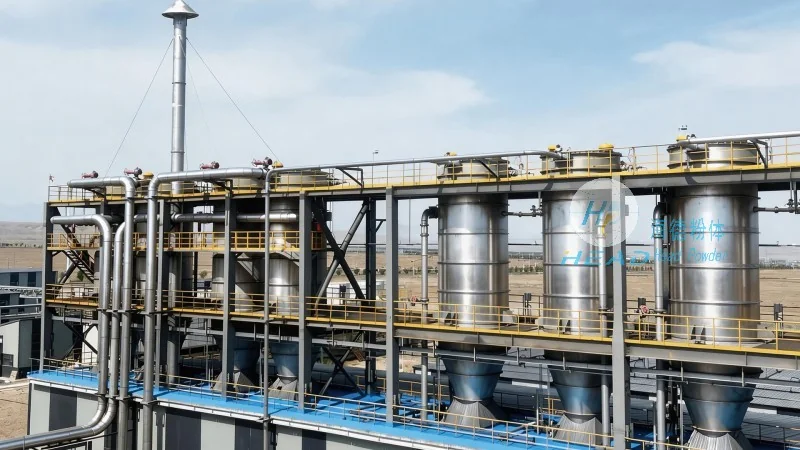
The design of resin powder pneumatic conveying machines is based on several key principles that ensure optimal performance and material integrity. The primary design considerations include the selection of appropriate air flow rates, pressure differentials, and system configurations to match the specific characteristics of the resin powder being handled. For instance, the particle size, density, and moisture content of the resin powder dictate the required air velocity and pressure to prevent clogging or material degradation. The system typically consists of a feeding unit, a conveying line, and a discharge unit, each designed to work in harmony to achieve efficient material transport. The feeding unit, often equipped with a hopper and a rotary valve, ensures a controlled and consistent flow of resin powder into the conveying line. The conveying line, which may include straight sections, bends, and expansion joints, is engineered to minimize pressure drop and maintain the air-powder mixture's stability. The discharge unit, such as a rotary valve or a filter, ensures the safe and controlled release of the resin powder at the destination point. Additionally, the design incorporates features like air filters and moisture control systems to protect the resin powder from contamination and maintain its quality throughout the conveying process.
Key Components and Their Functions
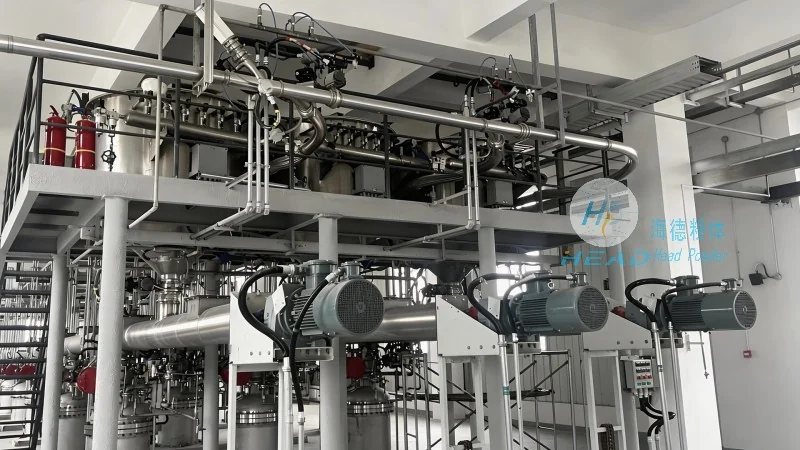
Resin powder pneumatic conveying machines consist of several critical components, each playing a vital role in the overall operation. The feeding system, which includes a hopper and a rotary airlock valve, is responsible for introducing the resin powder into the conveying line in a controlled manner. The hopper is designed to store the resin powder and provide a consistent feed rate, while the rotary airlock valve ensures that the powder is discharged into the conveying line without causing backflow or air leakage. The conveying line itself is typically made of stainless steel or other corrosion-resistant materials to withstand the abrasive nature of resin powders and prevent contamination. The line may include various fittings, such as elbows, tees, and reducers, to direct the air-powder mixture and maintain the required flow characteristics. The air supply system, which includes a blower or compressor, generates the necessary air pressure or vacuum to move the resin powder through the line. The blower is chosen based on the required air volume and pressure, ensuring that the system operates efficiently without excessive energy consumption. The control system, which may include sensors and controllers, monitors the pressure, flow rate, and other parameters to ensure the system operates within safe and optimal conditions. This system can also include features like automatic shutdown in case of blockages or pressure spikes, enhancing the safety and reliability of the operation.
Advantages of Using Resin Powder Pneumatic Conveying Machines
Resin powder pneumatic conveying machines offer several advantages over traditional mechanical conveying methods, making them a preferred choice in many industrial applications. One of the primary benefits is the ability to transport resin powders over long distances without the need for intermediate transfer points or manual handling. This reduces the risk of material contamination and improves overall process efficiency. Additionally, the pneumatic system allows for flexible layout designs, as the conveying line can be routed around obstacles or through different levels, providing greater operational flexibility. The equipment also minimizes product degradation, as the resin powder is enclosed within the conveying line, protecting it from moisture, dust, and other environmental factors. This is particularly important for resin powders that are sensitive to moisture or air exposure, as it helps maintain their quality and performance. Furthermore, the system can be easily integrated with other industrial processes, such as mixing, drying, or packaging, creating a seamless workflow. The low maintenance requirements of pneumatic conveying systems also contribute to cost savings, as there are fewer moving parts and less wear and tear compared to mechanical systems. Overall, resin powder pneumatic conveying machines provide a reliable, efficient, and cost-effective solution for transporting resin powders in various industrial settings.
Applications in Industrial Manufacturing
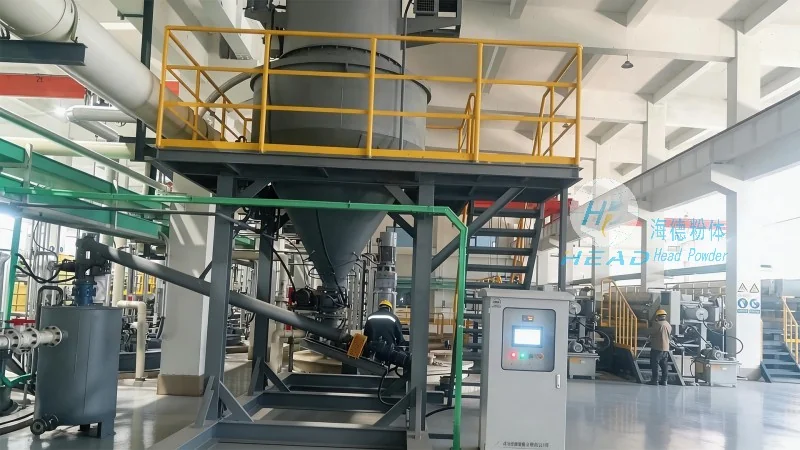
Resin powder pneumatic conveying machines are widely used in various industrial applications where the efficient handling of resin powders is critical. In the plastics industry, these machines are commonly used to transport resin powders from storage silos to processing equipment, such as extruders or injection molding machines. This ensures a consistent and controlled feed of resin powder, which is essential for maintaining the quality and consistency of the final plastic products. In chemical processing, the equipment is used to transport resin powders between different processing stages, such as drying, mixing, or packaging. The ability to handle fine powders without clogging or degradation makes it ideal for applications where material purity is paramount. Additionally, the system is used in the pharmaceutical and food industries, where the handling of sensitive powders requires strict contamination control. The flexibility and reliability of the pneumatic conveying system make it suitable for these industries, where product quality and safety are of utmost importance. Overall, resin powder pneumatic conveying machines play a vital role in improving the efficiency and quality of various industrial processes that involve the handling of resin powders.