

[h3]What is a Positive Pressure Pneumatic Material Conveying Machine? What Are Its Design Principles
Understanding the fundamentals of positive pressure pneumatic material conveying machines is crucial for industries that rely on efficient material handling solutions. These systems are designed to transport bulk materials through a pipeline using compressed air, offering a flexible and effective method for moving powders, granules, and other particulate materials over long distances. The core concept involves creating a positive pressure environment within the conveying line, ensuring that material is continuously pushed forward by the air flow. This approach contrasts with negative pressure systems, which rely on suction to draw material into the line.
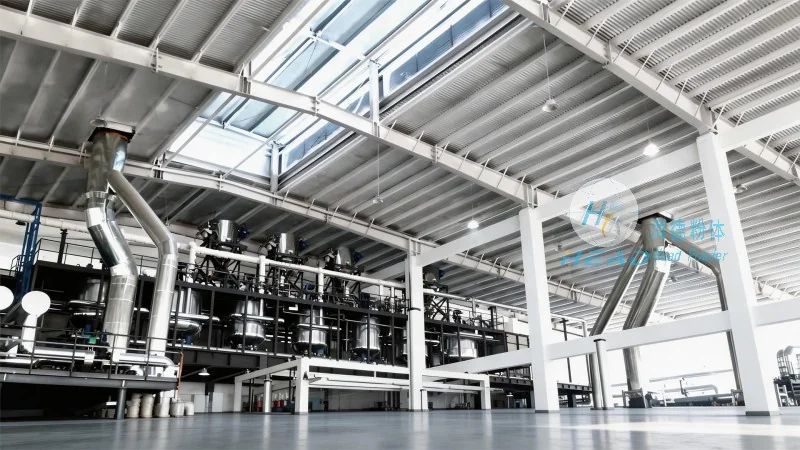
HeadPowder, a leading manufacturer based in Shandong, China, specializes in the design and production of such advanced conveying equipment. With a strong commitment to engineering excellence, the company has developed systems that cater to diverse industrial needs, from food processing to chemical manufacturing. The company’s expertise lies in optimizing the balance between air pressure, material properties, and system efficiency, ensuring reliable and cost-effective material transport. By leveraging years of experience and cutting-edge technology, HeadPowder delivers solutions that meet stringent industry standards and customer requirements.
The design principles of a positive pressure pneumatic conveying machine revolve around several key components and operational mechanisms. The system typically consists of a blower or compressor that generates the necessary air pressure, a hopper or feeder to introduce the material, and a pipeline network that transports the material to the discharge point. The air and material are mixed in a specific ratio, often referred to as the air-to-material ratio, which is critical for achieving optimal conveying performance. This ratio is determined by factors such as the material's density, flowability, and the desired conveying distance. The blower is responsible for maintaining the positive pressure, preventing backflow and ensuring a continuous flow of material through the system.
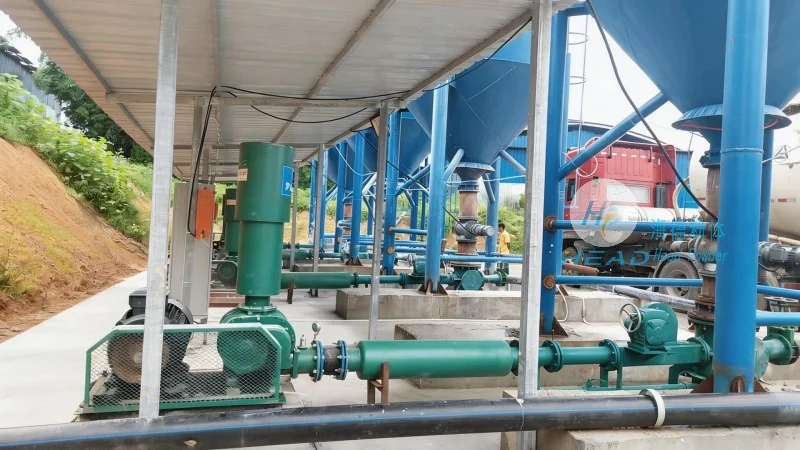
One of the primary advantages of positive pressure systems is their ability to handle a wide range of materials, including those that are abrasive, sticky, or have high moisture content. Unlike negative pressure systems, which may struggle with these materials due to suction limitations, positive pressure systems can effectively transport them without clogging or degradation. The high pressure environment also allows for the conveyance of materials over longer distances and at higher speeds, making them suitable for large-scale industrial applications. Additionally, these systems are relatively easy to install and maintain, as they do not require complex vacuum pumps or extensive ductwork.
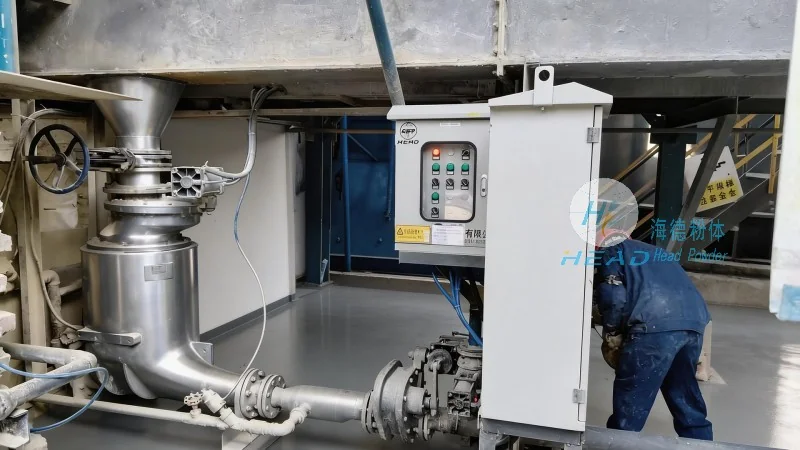
HeadPowder’s approach to designing positive pressure pneumatic conveying machines emphasizes customization and integration with existing processes. The company works closely with clients to understand their specific material handling challenges and operational constraints, then tailors the system accordingly. This includes selecting the appropriate blower type, determining the optimal air-to-material ratio, and configuring the pipeline layout to minimize energy consumption and maximize material throughput. By focusing on these details, HeadPowder ensures that each system is not only efficient but also durable and low-maintenance. The company’s engineers also consider factors such as material compatibility with the equipment components, ensuring that the conveying line and other parts are resistant to corrosion or wear from the transported material.
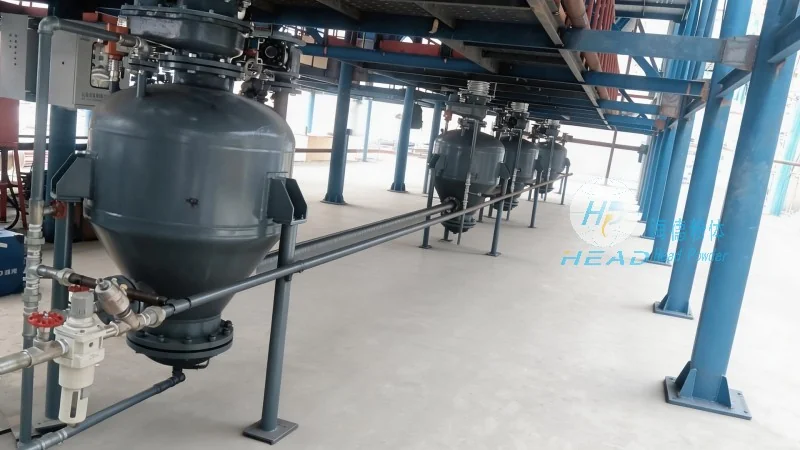
Operational considerations for positive pressure pneumatic conveying machines include the management of air pressure, material feed rate, and system cleanliness. Proper control of the blower speed and pressure is essential to maintain consistent material flow and prevent overloading the system. The feeder, which can be a rotary valve, screw feeder, or other type, must be properly sized to match the material's flow characteristics and the required conveying rate. Regular maintenance, such as cleaning the pipeline and checking for air leaks, is crucial to ensure long-term system performance. HeadPowder provides comprehensive support to its clients, including installation guidance, training on system operation, and ongoing technical assistance to address any issues that may arise.
In conclusion, positive pressure pneumatic material conveying machines represent a highly effective solution for industries seeking reliable and efficient material handling. The design principles, which focus on maintaining positive pressure, controlling air-to-material ratios, and optimizing system components, enable these machines to handle diverse materials and operate over extended distances. HeadPowder, with its expertise and commitment to quality, offers advanced solutions that meet the evolving needs of modern industrial applications. By understanding the fundamentals of these systems and leveraging the capabilities of manufacturers like HeadPowder, businesses can enhance their operational efficiency and productivity.