

What is a Pneumatic Conveying Line for Powdered Electrolyte Materials? What Are Its Design Principle
For industries dealing with powdered electrolyte materials, efficient and reliable material handling is crucial. A pneumatic conveying line is a specialized system designed to transport such materials through a network of pipes using air or gas as the conveying medium. This technology offers a flexible and often more cost-effective alternative to traditional mechanical conveying methods, such as screw conveyors or belt conveyors, especially when dealing with fine, abrasive, or sensitive powders like those used in battery manufacturing.
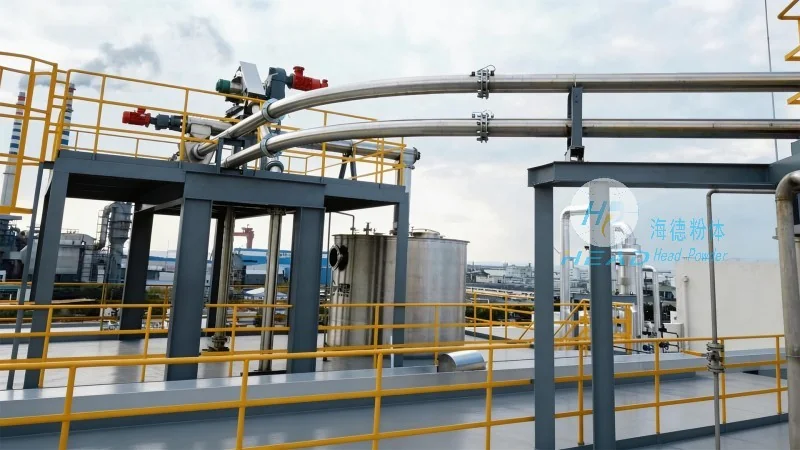
Introduction to Pneumatic Conveying Lines for Powdered Electrolyte Materials
A pneumatic conveying line for powdered electrolyte materials is a closed-loop system that moves dry powders, such as lithium salts or other electrolyte components, from a source to a destination. The system typically consists of a hopper for material storage, a conveying pipe network, a blower or vacuum pump to generate the airflow, and a control system to regulate the flow rate and pressure. The choice between pressure or vacuum conveying depends on the specific application, material characteristics, and system layout. Pressure conveying uses positive pressure to push material through the pipes, while vacuum conveying uses negative pressure to pull material into the system.
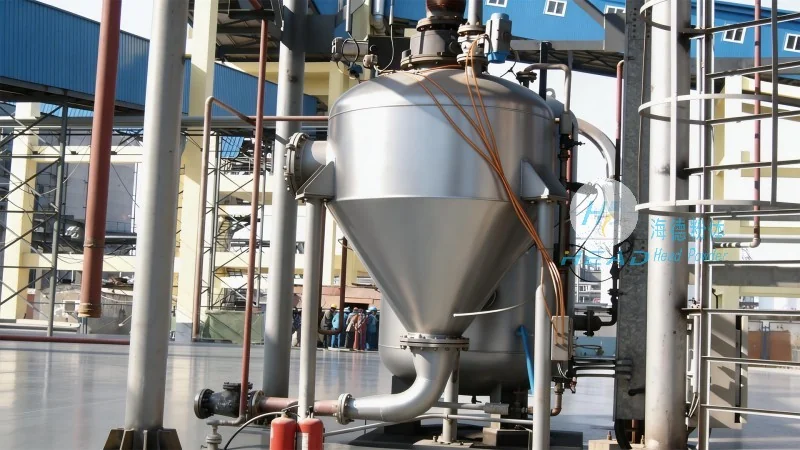
Design Principles of Pneumatic Conveying Systems
The design of a pneumatic conveying line for powdered electrolyte materials involves several key principles to ensure optimal performance, efficiency, and material integrity. First, the system must be sized appropriately to handle the required flow rate and material throughput. This includes selecting the correct pipe diameter, which is influenced by the particle size distribution, bulk density, and flowability of the electrolyte powder. Larger particles may require larger pipes to prevent blockages or excessive pressure drops. Second, the material of construction is critical, as electrolyte powders can be corrosive or abrasive. Stainless steel or specialized alloys are commonly used for the pipe and fittings to withstand chemical exposure and wear. Third, the system must incorporate proper filtration and cleaning mechanisms to prevent material buildup and maintain air quality. This may include cyclone separators, bag filters, or rotary air locks at the discharge end to separate the material from the air stream and prevent contamination. Fourth, the control system plays a vital role in managing the conveying process. It may include sensors to monitor pressure, flow rate, and material level, as well as valves and dampers to adjust the airflow and prevent backflow or pressure surges. Proper design also considers the overall layout of the system, ensuring minimal bends and changes in direction to reduce pressure losses and maintain consistent material flow.
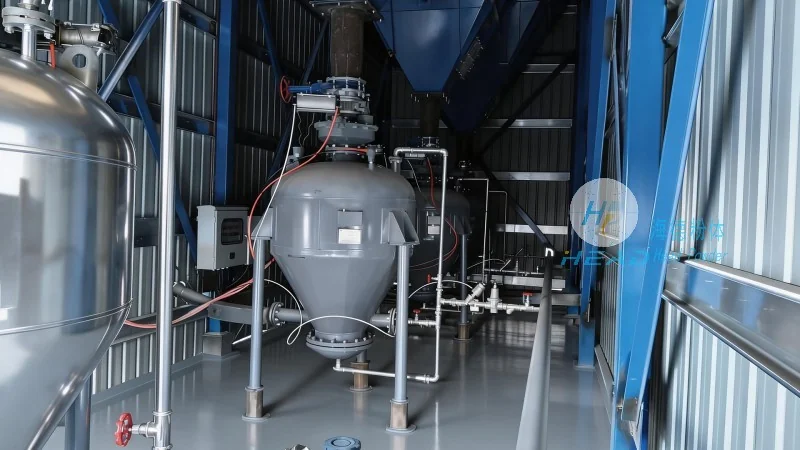
Application in Electrolyte Material Handling
In the battery manufacturing industry, where powdered electrolyte materials are essential components, pneumatic conveying lines are widely used to transport these materials from storage silos to production lines, mixing equipment, or packaging stations. The advantages of this system include high throughput, minimal material degradation, and the ability to handle materials in a closed environment, which reduces dust emissions and improves workplace safety. For example, in the production of lithium-ion batteries, a pneumatic conveying line can efficiently transport lithium carbonate or lithium hydroxide powders to the mixing and coating stages, ensuring precise dosing and consistent material quality. The system's flexibility also allows for easy integration with existing production lines, enabling manufacturers to adapt to changing production demands without significant modifications. Additionally, the closed-loop design helps maintain the purity of the electrolyte materials, which is critical for the performance and lifespan of the final battery products.
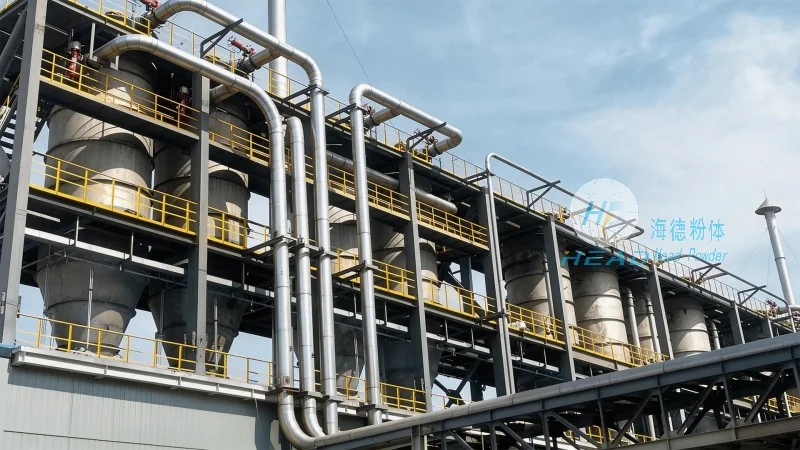
Company Overview: Shandong HeadPowder Engineering Co., Ltd.
Shandong HeadPowder Engineering Co., Ltd., commonly known as HeadPowder, is a leading provider of specialized engineering solutions for material handling, particularly in the processing of powdered materials. With a focus on industrial applications, the company designs, manufactures, and supplies pneumatic conveying systems tailored to the needs of various industries, including battery manufacturing, chemical processing, and food processing. HeadPowder's expertise lies in understanding the unique challenges of handling fine, abrasive, or sensitive powders, such as electrolyte materials, and developing customized solutions that meet the highest standards of efficiency, reliability, and safety. The company's facilities are located in Shandong, China, where it leverages advanced technology and experienced engineering teams to deliver innovative and robust pneumatic conveying systems. By combining years of industry experience with cutting-edge design principles, HeadPowder aims to provide its clients with reliable and efficient material handling solutions that enhance productivity and reduce operational costs.