

What is a Cement Aggregate Material Pneumatic Conveying System? And What Are Its Design Principles?
Welcome to Shandong HeadPowder Engineering Co., Ltd., a leading provider of industrial material handling solutions. In this article, we will explore the concept of a cement aggregate material pneumatic conveying system and delve into the fundamental design principles that underpin its operation.
Understanding the Cement Aggregate Material Pneumatic Conveying System
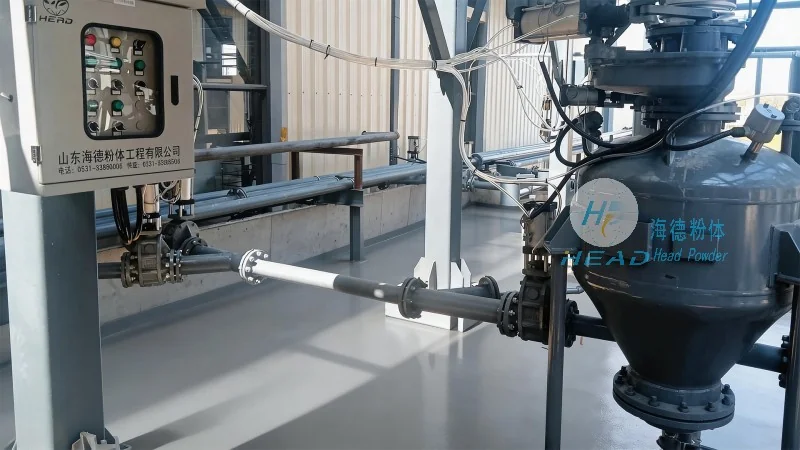
A cement aggregate material pneumatic conveying system is a specialized industrial equipment designed to transport bulk materials such as cement, aggregates, and other powders or granules through a pipeline using air or gas as the conveying medium. This technology offers a dust-free, efficient, and flexible method for material transfer compared to traditional mechanical conveyors. The system typically consists of a hopper for material storage, a blower or compressor to generate the air flow, a pipeline network, and a receiver or discharge point. The primary function is to move bulk materials from a source to a destination without the need for physical contact, reducing wear and tear on equipment and minimizing material degradation.
Key Components of the Pneumatic Conveying System
The design of a cement aggregate material pneumatic conveying system involves several critical components, each playing a vital role in the overall performance and efficiency of the system. The first component is the material hopper, which stores the bulk material and feeds it into the system. The hopper is equipped with a feeder, such as a rotary valve or a screw feeder, to control the flow rate of the material. The feeder ensures a consistent and controlled discharge of material into the pipeline, preventing blockages and maintaining system stability. The second key component is the air supply unit, which includes a blower or compressor. This unit generates the necessary air pressure and flow to move the material through the pipeline. The choice of blower type (positive displacement or centrifugal) depends on the material characteristics, conveying distance, and system capacity. The third component is the pipeline network, which consists of straight sections, bends, and fittings. The design of the pipeline must consider the material's properties, such as particle size, density, and moisture content, to ensure smooth flow and prevent material deposition or blockages. The pipeline is typically made of stainless steel or other corrosion-resistant materials to withstand the abrasive nature of cement and aggregate particles. The fourth component is the receiver or discharge point, where the material is collected after being conveyed through the pipeline. The receiver is equipped with a dust collection system, such as a cyclone or bag filter, to capture any fine particles and maintain a clean working environment.
Design Principles for Efficient Material Conveying
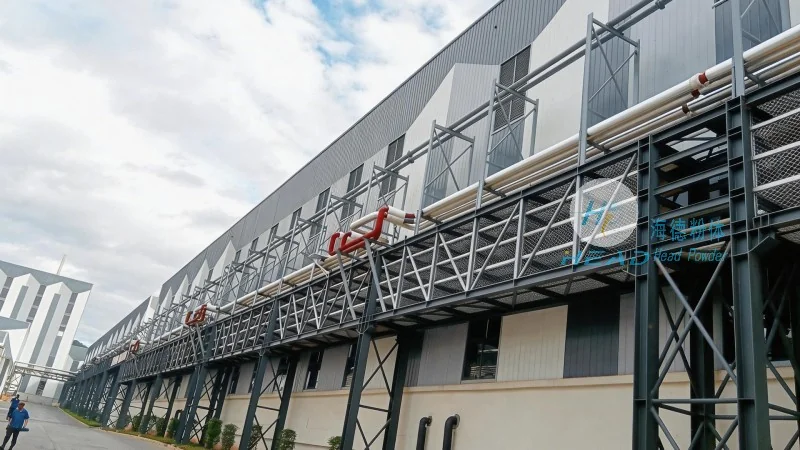
The design principles of a cement aggregate material pneumatic conveying system are centered on achieving efficient, reliable, and cost-effective material transfer. The first principle is the selection of the appropriate conveying method, which can be classified as dilute phase or dense phase. Dilute phase conveying uses low air velocity and high air-to-material ratios, resulting in a fast and efficient transfer of material over long distances. Dense phase conveying, on the other hand, uses higher air velocity and lower air-to-material ratios, which is suitable for handling abrasive or sensitive materials that require gentler handling. The choice of method depends on the specific material characteristics and the required conveying distance. The second principle is the calculation of the air flow rate and pressure. This involves determining the material's flow properties, such as the bulk density and angle of repose, and using these parameters to calculate the required air velocity and pressure to maintain a stable flow. The third principle is the consideration of system layout and pipeline design. The pipeline should be designed to minimize bends and changes in direction, as excessive bends can cause material deposition and increase pressure drop. The use of smooth, corrosion-resistant materials and proper fittings is essential to maintain system efficiency and longevity. The fourth principle is the integration of dust control measures. Cement and aggregate materials are prone to generating dust during handling, which can affect the working environment and equipment performance. Therefore, the design must include dust collection systems to capture and filter the fine particles, ensuring a clean and safe operation. The fifth principle is the consideration of maintenance and operational flexibility. The system should be designed to allow for easy maintenance and cleaning, with accessible components and minimal downtime. Additionally, the system should be flexible enough to accommodate changes in material type or flow rate, ensuring long-term operational efficiency.
Applications and Benefits of the Pneumatic Conveying System
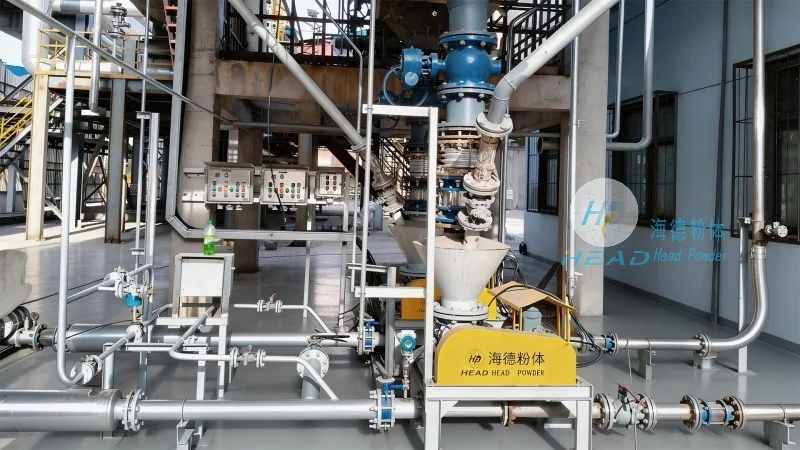
The cement aggregate material pneumatic conveying system is widely used in various industries, including construction, mining, and chemical processing. In the construction industry, it is used to transport cement, sand, and gravel from storage facilities to construction sites, providing a fast and efficient method for material delivery. In the mining industry, it is used to transport ore and other minerals from processing plants to storage or processing facilities. In the chemical industry, it is used to transport powders and granules, such as fertilizers and chemicals, from production lines to storage or packaging areas. The benefits of using a pneumatic conveying system include reduced labor costs, increased safety due to dust-free operation, and improved material handling efficiency. The system also offers flexibility in terms of material transfer, as it can be easily reconfigured to accommodate changes in production requirements. Additionally, the system is more environmentally friendly compared to traditional mechanical conveyors, as it reduces dust emissions and minimizes material waste.
Conclusion
In conclusion, a cement aggregate material pneumatic conveying system is a sophisticated industrial solution designed to efficiently and safely transport bulk materials. The design principles, which include the selection of appropriate components, calculation of air flow and pressure, and consideration of system layout and dust control, are crucial for achieving optimal performance. The system offers numerous benefits, including increased efficiency, reduced labor costs, and improved safety, making it an ideal choice for various industrial applications. As a leading provider of industrial material handling solutions, Shandong HeadPowder Engineering Co., Ltd. specializes in designing and manufacturing high-quality pneumatic conveying systems tailored to the specific needs of our clients. With our expertise and commitment to quality, we ensure that our systems meet the highest standards of performance and reliability, providing our clients with a competitive edge in their respective industries.