

What is a Pneumatic Pulse Material Conveyor? What Are Its Design Principles?
Pneumatic pulse material conveyors are advanced industrial equipment designed to transport bulk materials through a pipeline using compressed air. These systems have become essential in various manufacturing and processing industries due to their efficiency, flexibility, and ability to handle a wide range of materials. Understanding the functionality and design principles of these conveyors is crucial for optimizing material handling processes and improving operational efficiency.
Company Profile: Shandong HeadPowder Engineering Co., Ltd.
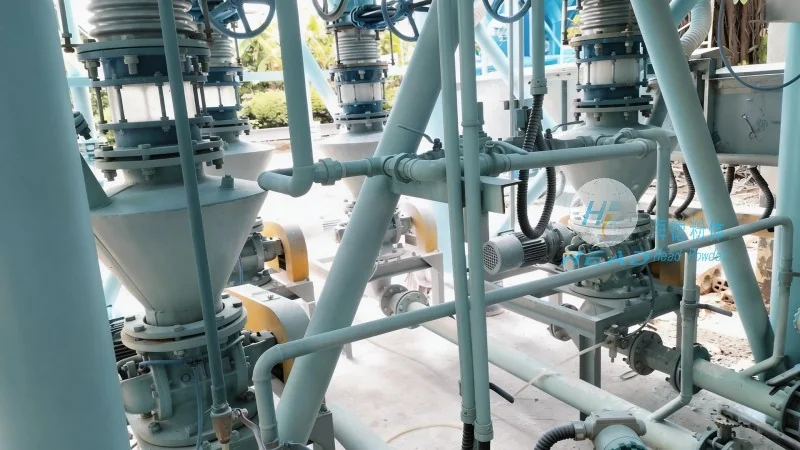
Shandong HeadPowder Engineering Co., Ltd., a leading manufacturer based in Shandong, China, specializes in the design, development, and production of high-quality pneumatic conveying systems. With a strong commitment to innovation and customer satisfaction, the company has established itself as a trusted partner in the material handling industry. HeadPowder's expertise lies in creating customized solutions that meet the specific needs of clients, ensuring reliable and efficient material transport across diverse applications.
What is a Pneumatic Pulse Material Conveyor?
A pneumatic pulse material conveyor, also known as a pulse jet conveyor, is a type of pneumatic conveying system that uses intermittent pulses of compressed air to move bulk materials from a source to a destination. The system operates by creating a pressure differential within the pipeline, which propels the material forward. This method is particularly effective for transporting powders, granules, and other fine materials that are difficult to handle with traditional mechanical conveyors. The core of the system is the pulse valve, which generates the rapid air pressure changes necessary to initiate and maintain material movement.
The Core Design Principles of Pneumatic Pulse Material Conveyors
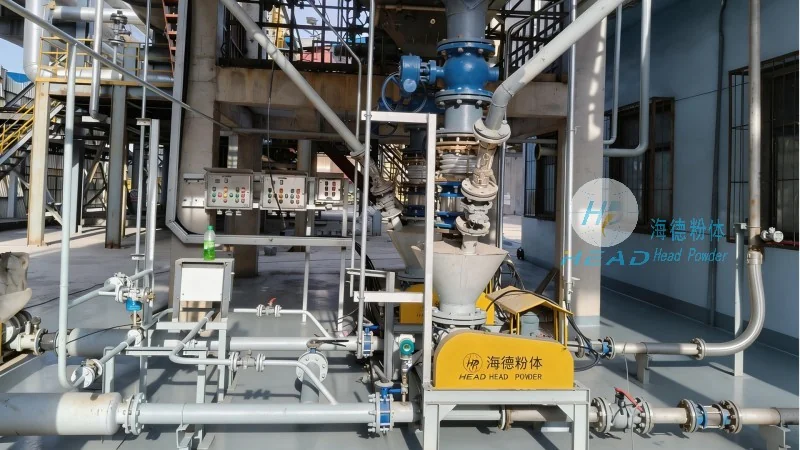
The design of a pneumatic pulse material conveyor is based on several key principles that ensure optimal performance and reliability. The primary principle is the use of pulse technology, which involves controlled bursts of compressed air to create a "push" effect on the material. This approach allows for efficient material transport with minimal energy consumption compared to continuous air flow systems. Another critical principle is the control of air pressure and flow rate, which must be precisely regulated to prevent material blockages or excessive pressure buildup. The system also incorporates features such as material feeders, which ensure a consistent flow of material into the pipeline, and control valves that manage the air pressure and pulse frequency.
Key Components and Their Functions
The pneumatic pulse material conveyor consists of several key components, each playing a vital role in the overall operation. The air compressor is responsible for generating the compressed air needed to power the system. The pulse valve, as mentioned earlier, generates the intermittent air pulses that drive material movement. The material feeder, typically a hopper or screw feeder, supplies the material to be conveyed. The pipeline, usually made of stainless steel or other corrosion-resistant materials, provides the path for the material and air. Additionally, the control system, which includes sensors and a control panel, monitors and adjusts the air pressure, pulse frequency, and material flow to maintain optimal performance. These components work in harmony to ensure smooth and efficient material transport.
Advantages of Pneumatic Pulse Material Conveyors
Pneumatic pulse material conveyors offer numerous advantages over traditional material handling methods. One of the most significant benefits is their ability to handle a wide variety of materials, including powders, granules, and even fine particles, without the need for mechanical contact. This reduces the risk of material degradation and contamination, which is particularly important in industries such as food processing and pharmaceuticals. Another advantage is the flexibility of the system, as it can be easily reconfigured or expanded to accommodate changing production needs. The low maintenance requirements and minimal moving parts also contribute to cost savings and increased reliability. Furthermore, the system is relatively compact and can be installed in various locations, making it suitable for both new and existing facilities.
Applications and Industries
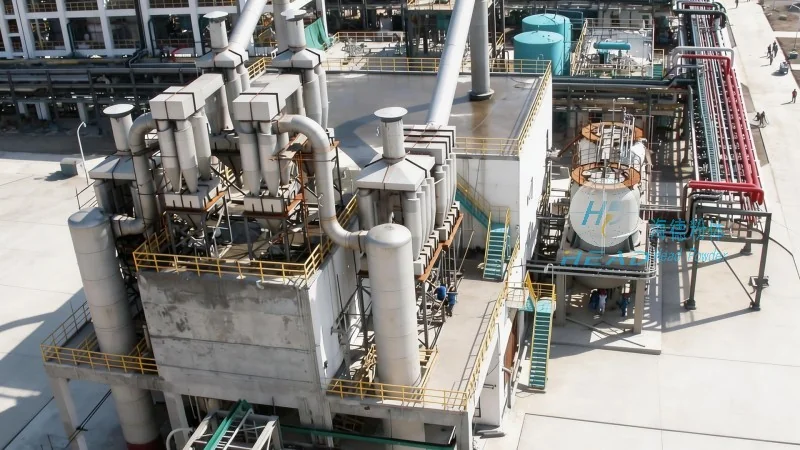
Pneumatic pulse material conveyors are widely used in a variety of industries due to their versatility and efficiency. In the food and beverage industry, they are used to transport ingredients like flour, sugar, and spices, ensuring hygienic and efficient handling. The pharmaceutical industry relies on these systems to transport active ingredients and other fine powders, maintaining strict quality and safety standards. The chemical industry uses pneumatic pulse conveyors to handle various chemicals and reagents, minimizing the risk of exposure and contamination. Additionally, in the agricultural sector, these systems are used to transport grains and other bulk materials from storage to processing facilities. The versatility of the system makes it suitable for a wide range of applications, from small-scale operations to large industrial plants.
Conclusion
In conclusion, pneumatic pulse material conveyors are sophisticated industrial systems that play a critical role in modern material handling. Their design, based on pulse technology and precise control of air pressure, allows for efficient and reliable transport of bulk materials. The advantages, including flexibility, low maintenance, and the ability to handle diverse materials, make them an ideal choice for various industries. Shandong HeadPowder Engineering Co., Ltd. stands as a key player in providing these advanced systems, contributing to the optimization of material handling processes and enhancing operational efficiency across different sectors. As industries continue to evolve, the demand for such efficient and versatile conveying solutions will only increase, making pneumatic pulse material conveyors an essential component of modern manufacturing and processing.