

What is a Castings Gray Material Pneumatic Conveying Machine? What is Its Design Principle?
Welcome to Shandong HeadPowder Engineering Co., Ltd., a leading manufacturer specializing in industrial material handling solutions. In this article, we will explore the concept of castings gray material pneumatic conveying machines and delve into the underlying design principles that make them effective for transporting such materials. Our company, based in Shandong, China, has extensive experience in developing and manufacturing high-quality pneumatic conveying systems tailored to meet the unique needs of various industrial applications.
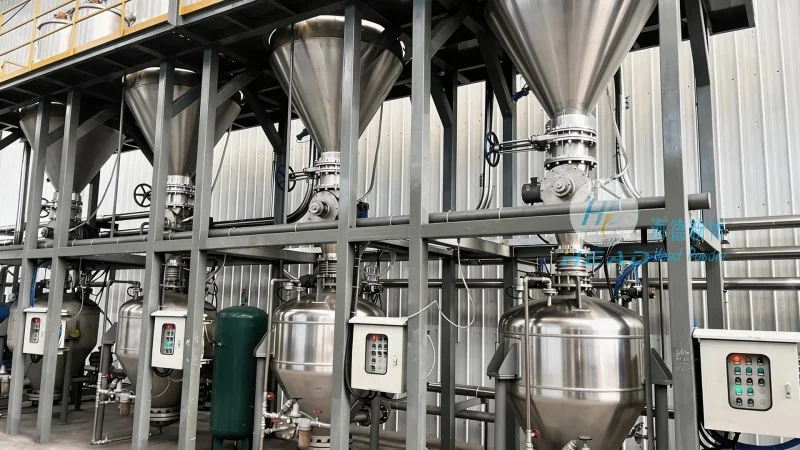
Understanding Castings Gray Material Pneumatic Conveying Machines
A castings gray material pneumatic conveying machine is a specialized piece of equipment designed to transport castings gray material—a type of fine, powdery or granular material commonly found in the foundry industry—through a pipeline using compressed air or other gas as the conveying medium. This method of material handling offers several advantages over traditional mechanical conveyors, including reduced risk of material contamination, lower maintenance requirements, and the ability to transport materials over long distances without the need for multiple transfer points.
The Core Design Principles of Pneumatic Conveying Systems
The design of a castings gray material pneumatic conveying machine is based on several fundamental principles that ensure efficient and reliable material transport. The primary principle is the use of differential pressure to move material through the system. Compressed air is introduced into the conveying line, creating a pressure differential that propels the material forward. The design must consider factors such as the material's particle size, density, and flow characteristics to determine the appropriate air velocity and pressure required for effective transport. Additionally, the system must incorporate features like cyclone separators, filters, and pressure vessels to manage the air and material flow, ensuring that the material is conveyed without clogging or excessive wear on the equipment.
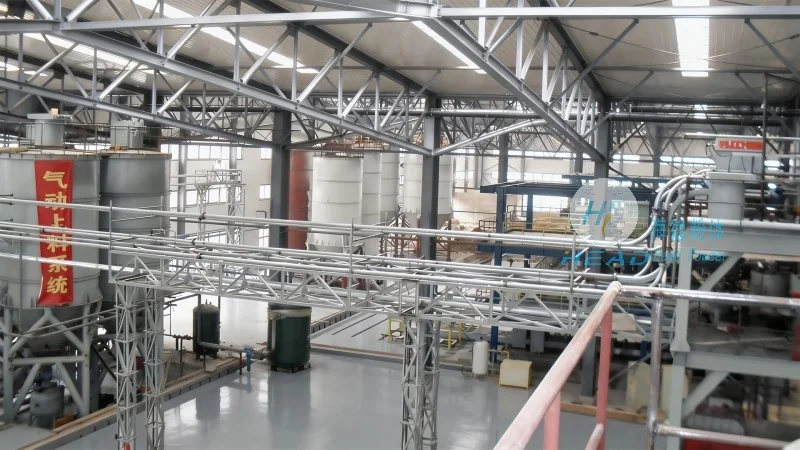
Key Components and Their Functions
Castings gray material pneumatic conveying machines typically consist of several key components, each playing a crucial role in the overall operation. The feed hopper is used to introduce the material into the system, while the air compressor provides the necessary pressure to move the material. The conveying line, often made of stainless steel or other corrosion-resistant materials, transports the material from the feed point to the discharge point. Cyclone separators are used to separate the material from the air stream, allowing the material to be collected in a hopper or storage bin. Filters are also included to remove any fine particles from the air, ensuring that the system operates efficiently and without causing environmental issues. Pressure vessels may be used to store compressed air or to provide a buffer for the system, helping to maintain consistent pressure levels.
Advantages of Using Pneumatic Conveying for Castings Gray Material
There are several advantages to using pneumatic conveying systems for castings gray material. One of the most significant benefits is the ability to transport material over long distances without the need for multiple transfer points, which can reduce the overall footprint of the system and lower installation costs. Additionally, pneumatic conveying systems are less prone to material contamination compared to mechanical conveyors, which is particularly important for materials that are sensitive to moisture or other environmental factors. The systems also offer greater flexibility in terms of layout, as the conveying line can be routed around obstacles or through different areas of a facility. Furthermore, pneumatic conveying systems can handle a wide range of material types and sizes, making them suitable for various industrial applications.
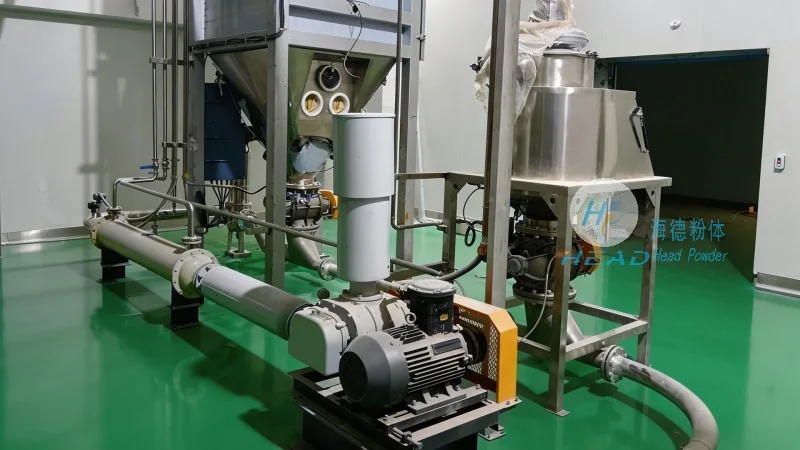
Applications in the Foundry Industry
Castings gray material pneumatic conveying machines are widely used in the foundry industry for the transport of materials such as sand, slag, and other fine powders. These materials are often heavy and difficult to handle using traditional methods, making pneumatic conveying an ideal solution. The systems are commonly used in sand handling applications, where they are used to transport sand from storage bins to molding machines or other processing equipment. They are also used in slag handling applications, where they help to remove slag from furnaces and transport it to disposal or recycling facilities. Additionally, pneumatic conveying systems are used in other foundry processes, such as the transport of additives or other materials required for the casting process.
Considerations for Design and Installation
When designing and installing a castings gray material pneumatic conveying machine, several factors must be considered to ensure optimal performance. The first consideration is the material's properties, including its particle size, density, and flow characteristics. These factors will determine the appropriate air velocity and pressure required for effective transport. The second consideration is the system's layout, including the length and diameter of the conveying line, as well as the number of transfer points. The third consideration is the environmental conditions, such as temperature and humidity, which can affect the performance of the system. Finally, the system must be designed to meet safety and regulatory requirements, including the use of proper filtration and ventilation to prevent the release of dust or other hazardous materials.
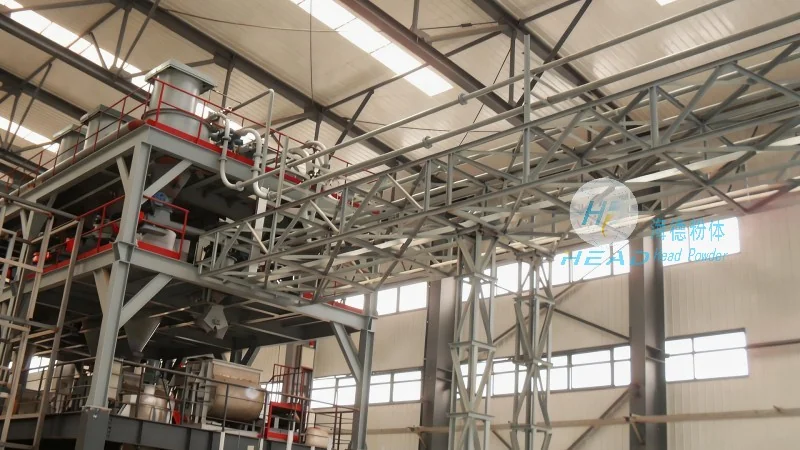
Maintenance and Operational Tips
Maintaining a castings gray material pneumatic conveying machine is essential to ensure its long-term performance and reliability. Regular maintenance should include checking the air compressor for proper operation, inspecting the conveying line for signs of wear or damage, and cleaning the cyclone separators and filters. The feed hopper should also be checked for any blockages or buildup of material. Operational tips include ensuring that the system is properly sized for the material being transported, as an undersized system can lead to clogging or excessive wear. Additionally, the system should be operated at the appropriate air pressure and velocity to avoid damage to the equipment or the material. By following these maintenance and operational tips, users can ensure that their pneumatic conveying system operates efficiently and reliably for many years.
Conclusion
In conclusion, castings gray material pneumatic conveying machines are an effective and efficient solution for transporting materials in the foundry industry. The design principles behind these systems, including the use of differential pressure and specialized components, ensure that they can handle a wide range of materials and operate reliably over long distances. By understanding the key components and design considerations, users can select and operate a pneumatic conveying system that meets their specific needs and provides long-term value. At Shandong HeadPowder Engineering Co., Ltd., we specialize in the design and manufacturing of high-quality pneumatic conveying systems tailored to the unique requirements of our clients. Our experienced team can help you select the right system for your application and provide support throughout the entire process, from design to installation and maintenance.