

What is a Coating Material Pneumatic Conveying Machine? What are its Design Principles?
Coating material pneumatic conveying machines are specialized industrial equipment used to transport powders and granules essential for coating applications. These systems leverage air or gas as the primary conveying medium, offering a dust-free and efficient alternative to traditional mechanical conveyors. Understanding the design principles behind these machines is critical for selecting the appropriate equipment for various coating production processes.
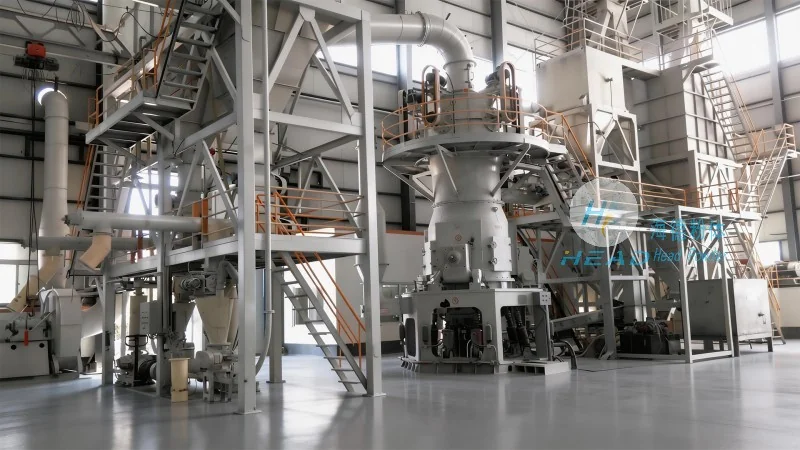
Overview of Coating Material Pneumatic Conveying Machines
At the heart of a coating material pneumatic conveying machine is the ability to move bulk materials through a pipeline using air pressure. For coating industries, which often involve fine powders like pigments, resins, and additives, the design must address challenges such as material flowability, particle size, and the need for precise control. The primary objective is to ensure efficient material transfer while maintaining product integrity and minimizing contamination or degradation.
Core Components and Design Fundamentals
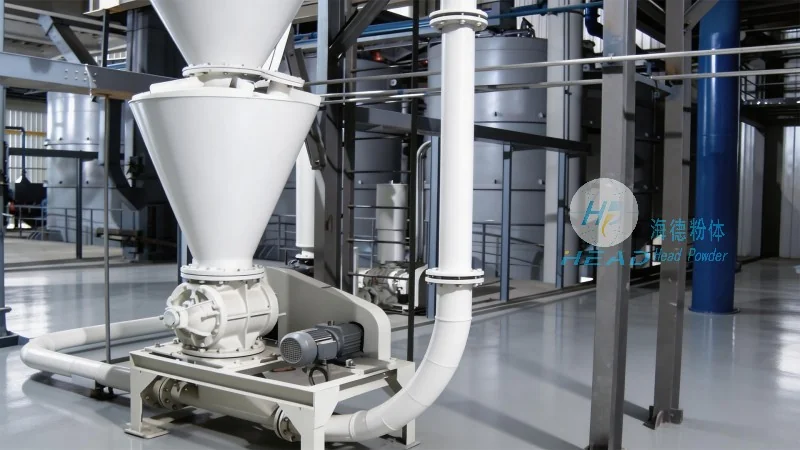
The design of a coating material pneumatic conveying machine typically incorporates several key components, each critical to its operation. These include the feed hopper or silo, which stores and feeds the material into the system; the air compressor or blower, which generates the necessary pressure to move the material; the conveying pipeline, usually constructed from stainless steel or other corrosion-resistant materials to handle the chemical properties of coating powders; and the control system, which regulates air and material flow to maintain consistent performance.
A fundamental design principle is the balance between air velocity and material velocity. If the air velocity is too low, material may settle in the pipeline, causing blockages or uneven flow. Conversely, excessive air velocity can lead to equipment wear and material degradation. Engineers must calculate the optimal air velocity based on the specific characteristics of the coating material, such as its bulk density and particle size distribution.
Types of Pneumatic Conveying Systems
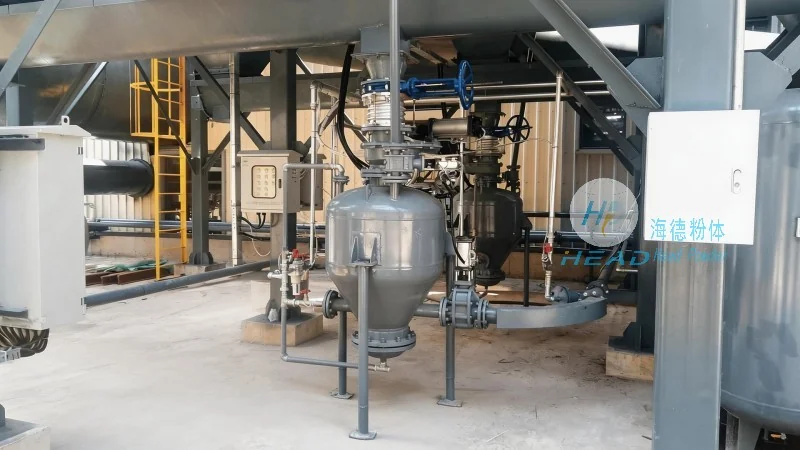
Two main categories of pneumatic conveying systems exist: pressure and vacuum. Pressure systems push material through the pipeline using compressed air, while vacuum systems draw material in using a vacuum pump. For coating materials, pressure systems are often preferred due to their ability to handle a wide range of particle sizes and provide stable flow rates. Vacuum systems are sometimes used for applications requiring material transport from a lower to a higher elevation, as the vacuum creates a negative pressure that pulls material upward.
Benefits of Pneumatic Conveying for Coating Industries
Implementing a pneumatic conveying system for coating materials offers significant advantages over traditional methods. First, it eliminates mechanical components like belts or buckets, reducing maintenance costs and minimizing the risk of product contamination. Second, it provides a hygienic and dust-free environment, which is essential in industries where product purity is critical. Third, these systems are versatile, capable of handling abrasive or moisture-sensitive materials, making them suitable for diverse coating applications.
Design Considerations for Optimal Performance
When designing a coating material pneumatic conveying machine, several factors must be considered to ensure efficiency and longevity. These include the material's flow properties, such as its angle of repose and compressibility, which affect feeding efficiency. The choice of materials, particularly stainless steel, is crucial due to its corrosion resistance and ability to maintain a clean surface, preventing residue buildup that could impact product quality. The control system must also be capable of precise regulation of air and material flow, allowing adjustments for changing production demands or material characteristics.
Real-World Applications in Coating Production
Coating material pneumatic conveying machines are widely utilized in various coating industry applications. For example, in paint manufacturing, they transport pigments and resins from storage silos to mixing tanks. In powder coating production, these systems move dry powder to application equipment. Additionally, they are used for processing inks and other additives, ensuring controlled and efficient delivery to the production line.
Conclusion
Coating material pneumatic conveying machines are sophisticated solutions that enhance the efficiency and reliability of coating production lines. By adhering to design principles that address material characteristics and operational needs, manufacturers can select the right system for their requirements, ensuring optimal performance, low maintenance, and high product quality. As the coating industry advances, the importance of these systems will continue to grow, making them indispensable in modern industrial operations.