

What is a Powder Material Pneumatic Conveying System? And What Are Its Design Principles?
For industries dealing with bulk powder handling, the selection of an efficient and reliable material transport solution is crucial. A pneumatic conveying system, specifically designed for powder materials, offers a versatile and effective method to move dry powders from one location to another. This technology is widely used across various sectors, including pharmaceuticals, food processing, chemical manufacturing, and more, due to its ability to handle fine and abrasive powders with minimal product degradation.
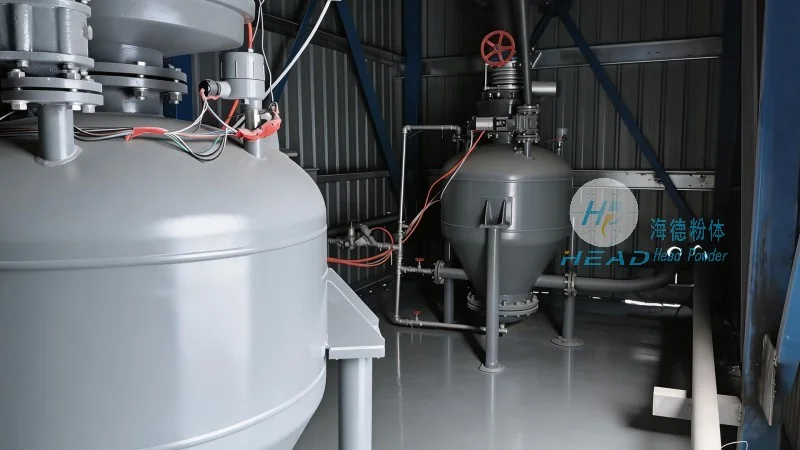
Understanding the Core Function of Powder Material Pneumatic Conveying Systems
The fundamental concept behind a powder material pneumatic conveying system is the use of air or gas to transport solid particles. Unlike traditional mechanical conveyors, which rely on physical contact and friction, pneumatic systems utilize pressure differentials or vacuum to move materials through a pipeline. This method allows for the transportation of powders over long distances, through vertical or horizontal paths, and even around obstacles, making it adaptable to complex production layouts.
Key Design Principles of Pneumatic Conveying Systems
The design of a pneumatic conveying system for powder materials involves several critical principles that ensure optimal performance and efficiency. These principles include the selection of appropriate air velocity, pressure, and pipeline diameter, which are tailored to the specific characteristics of the powder being conveyed. For instance, the particle size, density, and flowability of the powder determine the required air velocity to prevent particle deposition and ensure smooth transport. Additionally, the system’s design considers factors such as the need for pressure or vacuum operation, the type of material (e.g., abrasive or sensitive), and the desired conveying distance and throughput.
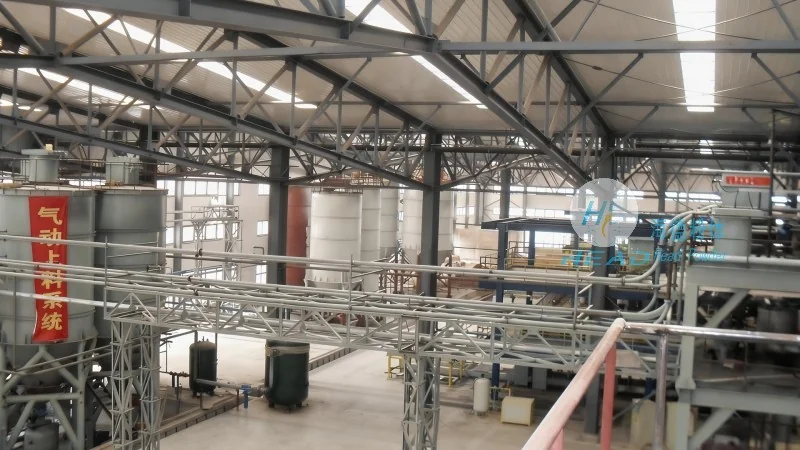
Components and Working Mechanism of a Pneumatic Conveying System
A typical powder material pneumatic conveying system consists of several key components, each playing a vital role in the overall operation. The main components include a material feed hopper, a conveying line (often made of stainless steel or other corrosion-resistant materials), a blower or vacuum pump, and a discharge outlet. The process begins with the powder being fed into the hopper, where it is then drawn into the conveying line by the air flow generated by the blower. The air and powder mixture travels through the pipeline, and at the discharge end, the powder is separated from the air, typically using a cyclone separator or a filter, before being collected in a receiving container.
Advantages of Using Pneumatic Conveying for Powder Materials
Compared to other material handling methods, pneumatic conveying systems offer several advantages that make them a preferred choice for many industries. These advantages include the ability to handle a wide range of powder types, including fine, dusty, or abrasive materials, without causing product contamination or degradation. The system is also capable of transporting powders in a closed environment, reducing dust emissions and improving workplace safety. Furthermore, pneumatic conveying can be integrated with existing production lines, allowing for seamless material transfer and enhancing overall operational efficiency.
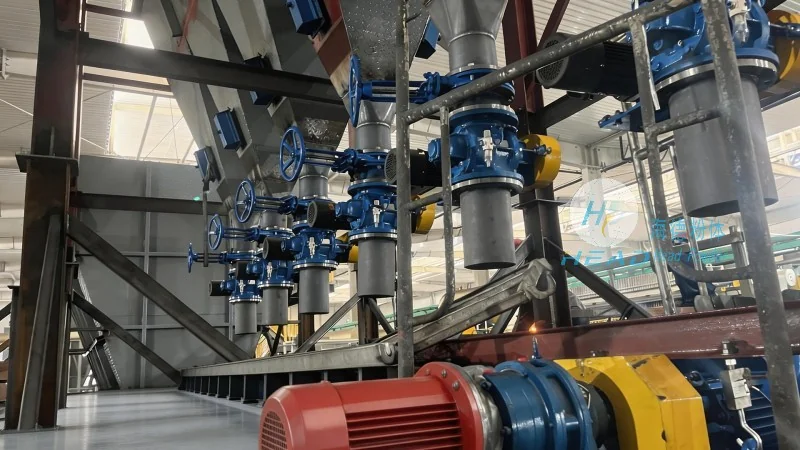
Applications and Industries Utilizing Pneumatic Conveying Systems
Pneumatic conveying systems are widely applied in various industries where powder handling is essential. In the pharmaceutical industry, these systems are used to transport active pharmaceutical ingredients (APIs) and excipients with high precision and minimal risk of contamination. In the food processing sector, they are employed to move dry ingredients such as flour, sugar, and spices, ensuring hygienic and efficient handling. The chemical manufacturing industry also benefits from pneumatic conveying for transporting raw materials and finished products, particularly in processes involving hazardous or sensitive powders. Additionally, in the cement and mining sectors, these systems are used to transport bulk powders over long distances with high efficiency.
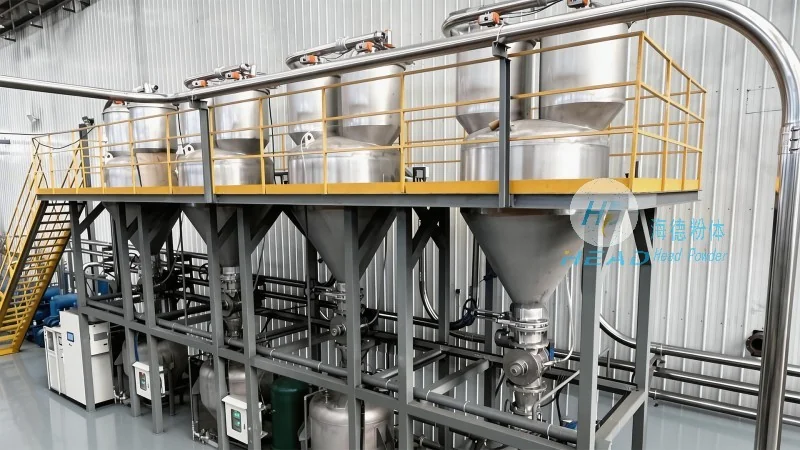
HeadPowder: Expert in Pneumatic Conveying Solutions
Shandong HeadPowder Engineering Co., Ltd., a leading manufacturer in the field of powder handling equipment, specializes in designing and manufacturing high-quality pneumatic conveying systems tailored to the specific needs of various industries. With years of experience and a commitment to innovation, HeadPowder provides customized solutions that meet the stringent requirements of modern production environments. The company’s products are engineered to ensure reliable performance, low maintenance, and long service life, making them a trusted choice for businesses seeking efficient and cost-effective powder transport solutions.
Customization and Technical Support from HeadPowder
HeadPowder understands that each industrial application has unique requirements, and therefore, offers comprehensive customization options for its pneumatic conveying systems. From selecting the appropriate material of construction (such as stainless steel, aluminum, or plastic) to designing the optimal conveying line layout, the company works closely with clients to develop solutions that address their specific challenges. Additionally, HeadPowder provides technical support and after-sales service to ensure that its systems operate at peak efficiency throughout their lifespan. The company’s team of experts is available to offer guidance on system selection, installation, and maintenance, helping clients maximize the benefits of their investment in pneumatic conveying technology.