

What is a Gray Bin Material Pneumatic Conveying Machine? What Are Its Design Principles?
Gray bin material pneumatic conveying machines represent a sophisticated solution for transporting bulk materials efficiently and safely. These systems are widely used in various industrial sectors, offering a reliable alternative to traditional mechanical conveying methods. Understanding their design principles and operational mechanics is crucial for selecting the right equipment for specific material handling needs.
Company Profile: Shandong HeadPowder Engineering Co., Ltd.
Shandong HeadPowder Engineering Co., Ltd., commonly known as HeadPowder, is a leading manufacturer specializing in advanced material handling solutions. With a strong presence in China, particularly in Shandong province, the company has built a reputation for delivering high-quality pneumatic conveying systems tailored to diverse industrial requirements. HeadPowder's expertise lies in engineering robust, efficient, and durable equipment that meets the demands of modern material processing industries.
Understanding Pneumatic Conveying Systems
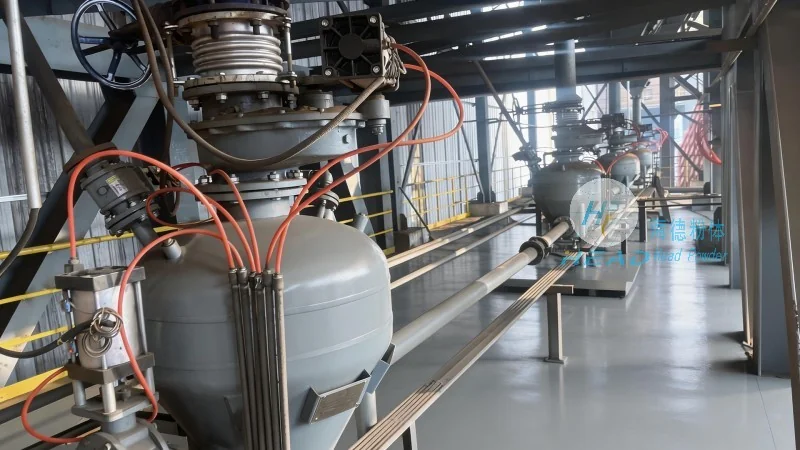
Pneumatic conveying systems utilize air or other gases to transport bulk materials from one location to another. Unlike mechanical conveyors, which rely on belts, screws, or buckets, pneumatic systems employ pressure or vacuum to move materials through pipelines. This method is particularly advantageous for handling fine powders, granules, and other friable materials that are prone to degradation or contamination when exposed to mechanical contact. The core of a gray bin material pneumatic conveying machine lies in its ability to integrate a storage bin with the conveying mechanism, enabling continuous and automated material flow.
Design Principles of Gray Bin Material Pneumatic Conveying Machines
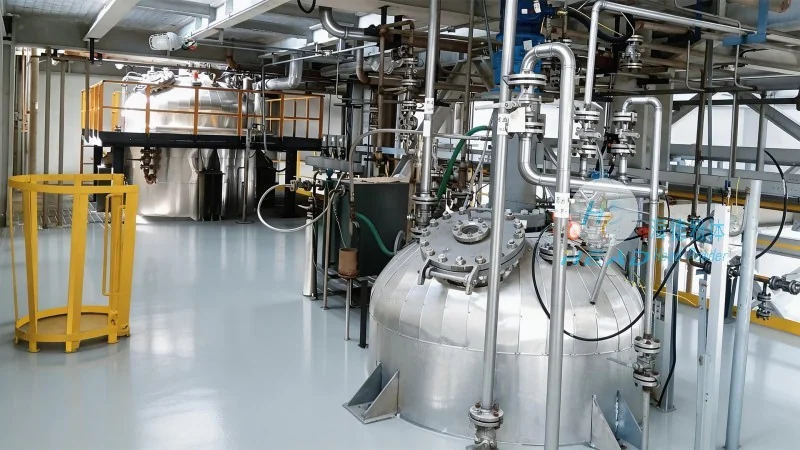
The design principles of gray bin material pneumatic conveying machines are centered on optimizing material transfer efficiency while ensuring system reliability. A key design consideration is the bin's structure, which must be robust enough to contain the material and withstand the internal pressure generated during operation. The bin typically features a hopper with a conical or rectangular base, designed to facilitate material flow and prevent blockages. The conveying pipeline connects the bin to the discharge point, and the system may operate under positive pressure (pressure conveying) or negative pressure (vacuum conveying), depending on the application. The selection of pressure or vacuum mode is influenced by factors such as material characteristics, distance, and system layout. Additionally, the system incorporates control valves, filters, and dust collectors to manage air flow and maintain material purity.
Key Components and Their Functions
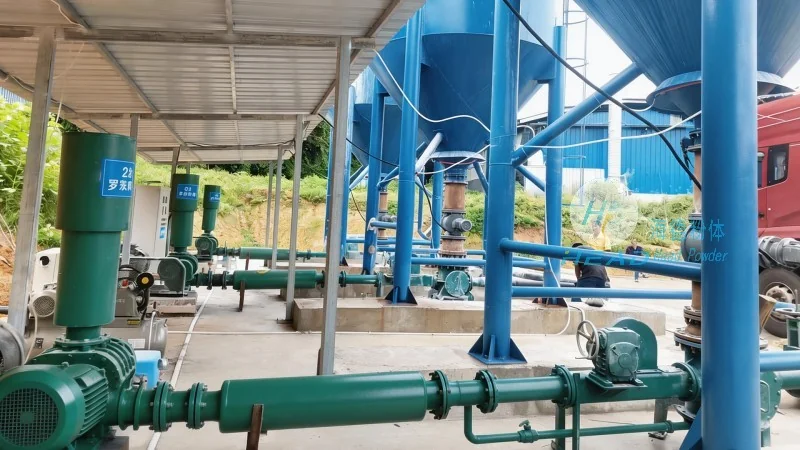
Several critical components make up a gray bin material pneumatic conveying machine. The storage bin, or hopper, serves as the primary container for the material, with a discharge valve at the bottom to regulate material release. The air compressor or vacuum pump provides the necessary pressure or suction to move the material through the pipeline. The pipeline itself is made of durable materials, such as stainless steel or PVC, to withstand the abrasive nature of the conveyed materials and resist corrosion. The control system, including sensors and valves, monitors and adjusts the air flow and material discharge to maintain optimal performance. Filters and dust collectors are essential for maintaining air quality and preventing material buildup in the system, ensuring long-term operational efficiency.
Applications and Benefits in Industrial Settings
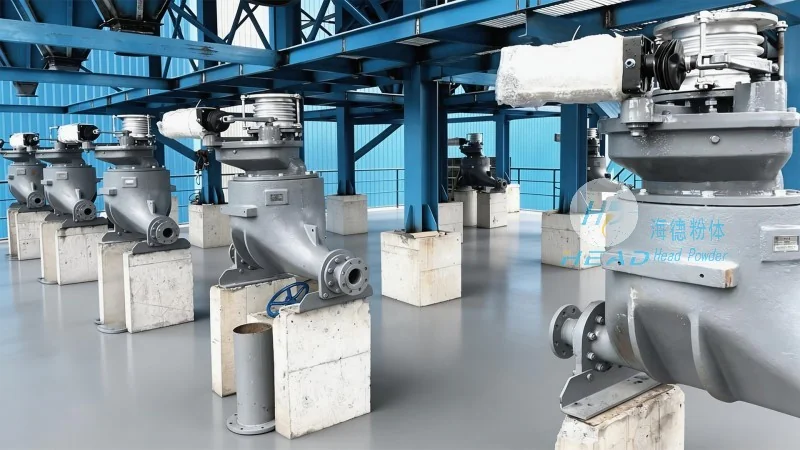
Gray bin material pneumatic conveying machines find extensive applications in industries such as food processing, pharmaceuticals, chemicals, and mining. In food processing, these systems are used to transport powders like flour, sugar, and spices, ensuring hygienic and contamination-free handling. In pharmaceuticals, the equipment is designed to meet stringent regulatory requirements, with features like stainless steel construction and HEPA filters to maintain product purity. In the chemical industry, the systems handle abrasive and corrosive materials, with robust components that resist wear and degradation. The benefits of using these machines include reduced labor costs, increased operational efficiency, and improved safety compared to manual or mechanical handling methods. Additionally, pneumatic conveying systems minimize material degradation and loss, leading to higher product quality and lower waste.
Maintenance and Operational Considerations
Maintaining the performance and longevity of a gray bin material pneumatic conveying machine requires regular maintenance and proper operational practices. Regular cleaning of the bin, pipeline, and filters is essential to prevent material buildup and ensure smooth operation. The air compressor or vacuum pump should be checked for proper functioning, with filters replaced as needed to maintain air quality. The control system should be calibrated periodically to ensure accurate monitoring and adjustment of air flow and material discharge. Operators should be trained on the proper use of the system, including how to handle different materials and respond to system malfunctions. By following these maintenance and operational guidelines, users can maximize the lifespan of the equipment and minimize downtime, ensuring consistent and reliable material handling performance.