

What is a Cement and Mineral Powder Pneumatic Conveying Machine? And What Are Its Design Principles?
For industrial operations that handle fine powders like cement and mineral powders, efficient material handling is crucial. A pneumatic conveying machine, specifically designed for these materials, offers a solution that combines reliability with advanced engineering. This article explores the concept of a cement and mineral powder pneumatic conveying machine, detailing its design principles and operational benefits.
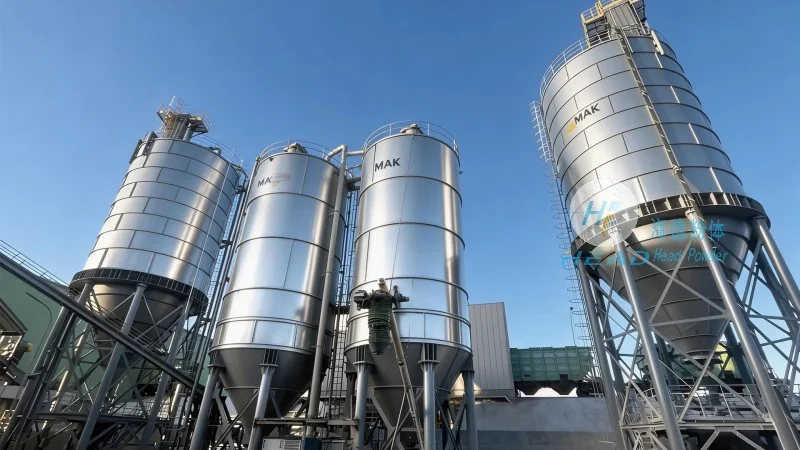
Understanding the Core Components and Functionality
The cement and mineral powder pneumatic conveying machine operates by using air pressure to transport dry powders through a system of pipes. The system typically includes a hopper for material storage, a feeder to control the flow rate, a conveying line where the material is propelled by air, and a receiver for the discharged material. The design must account for the characteristics of the powder—such as particle size, density, and moisture content—to ensure optimal performance. For instance, fine powders like cement are prone to caking or bridging, which can affect flow. Therefore, the machine incorporates features like agitators or vibrators to prevent these issues and maintain consistent material movement.
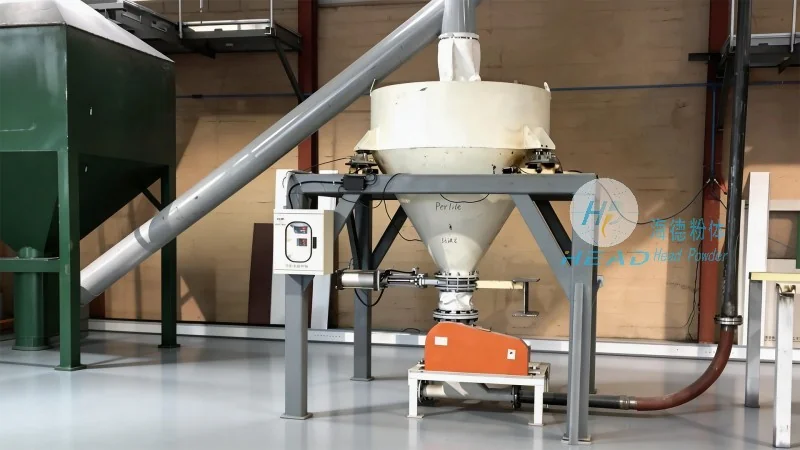
Design Principles: Balancing Efficiency and Reliability
The design of a cement and mineral powder pneumatic conveying machine is guided by several key principles aimed at maximizing efficiency and minimizing operational issues. First, the system must ensure a consistent air flow rate to maintain the material's suspension in the air stream. This is achieved through the use of positive displacement blowers or rotary lobe blowers, which provide a stable pressure and flow. Second, the pipe diameter and length are carefully calculated to avoid excessive pressure drop, which can lead to material deposition or blockages. The design also considers the material's abrasiveness, as cement and mineral powders can wear down equipment over time. Therefore, components like elbows, bends, and valves are made from durable materials such as stainless steel or high-grade plastics to withstand the wear and tear.
Operational Advantages and Applications
Implementing a cement and mineral powder pneumatic conveying machine offers several advantages for industrial processes. Unlike traditional methods like bucket elevators or belt conveyors, pneumatic systems are more flexible and can transport materials over longer distances with fewer transfer points. This reduces the risk of material contamination and improves overall process efficiency. Additionally, the enclosed system prevents dust emissions, making it more environmentally friendly and safer for workers. These machines are widely used in cement plants, mining operations, and chemical processing facilities where the handling of fine powders is a daily task.
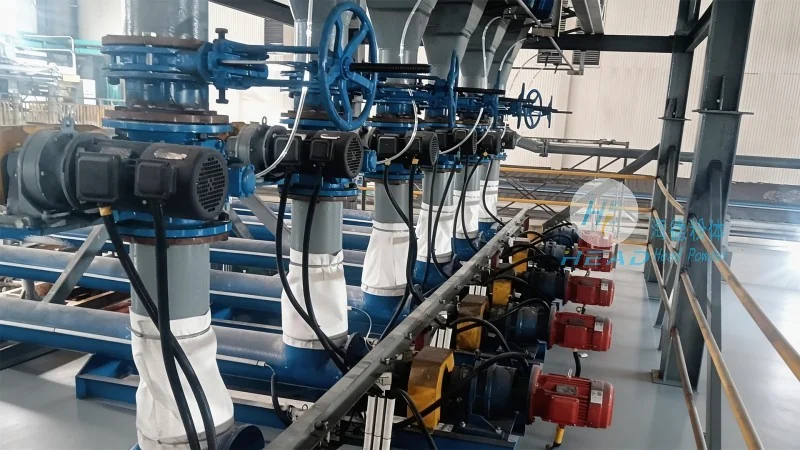
Shandong HeadPowder Engineering Co., Ltd.: Your Trusted Partner in Pneumatic Conveying Solutions
At Shandong HeadPowder Engineering Co., Ltd., we specialize in designing and manufacturing high-quality pneumatic conveying systems tailored to the unique needs of our clients. With our headquarters in Shandong, China, we leverage decades of experience in the industry to deliver solutions that meet the highest standards of performance and reliability. Our team of engineers works closely with clients to understand their specific material handling challenges and develops customized solutions that optimize their operations. Whether you need a new system or an upgrade to an existing one, we are committed to providing the best possible service and support. Contact us today to learn more about how our cement and mineral powder pneumatic conveying machines can enhance your industrial processes.