

What is a Glass-Blasted Microsphere Material Pneumatic Conveying Line? And What Are Its Design Princ
Glass-blasted microspheres are a type of lightweight, inert material commonly used in construction, insulation, and other industrial applications. The material's unique properties, such as low density and excellent thermal resistance, make it ideal for various processes. A pneumatic conveying line is a system designed to transport these microspheres through the air using pressure or vacuum. This technology offers a dust-free, efficient, and flexible method for material handling compared to traditional methods like belt conveyors or trucks.
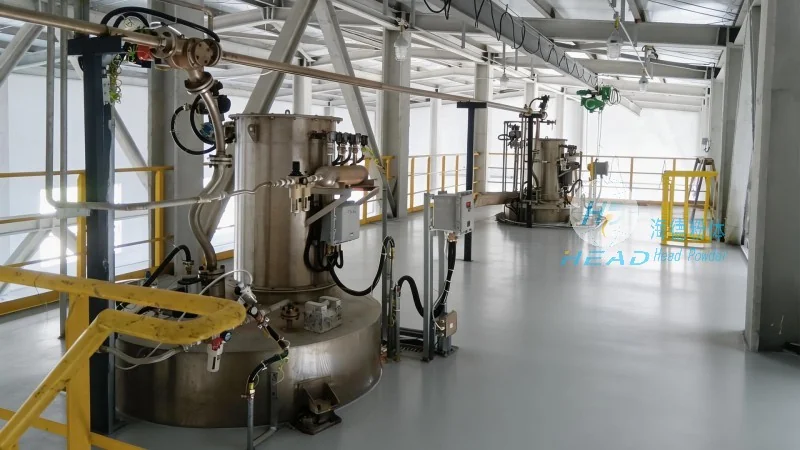
Design Principles of Pneumatic Conveying Systems for Glass-Blasted Microspheres
The design of a glass-blasted microsphere material pneumatic conveying line involves several key principles to ensure optimal performance and reliability. The primary goal is to create a system that can handle the material's characteristics effectively, minimizing issues like clogging, degradation, or loss of material. Key design considerations include the selection of appropriate air velocity, pressure, and system configuration. The air velocity must be high enough to keep the microspheres in suspension but low enough to prevent excessive wear on components. Pressure levels are carefully calculated to maintain the material's flow without causing excessive energy consumption. The system's layout, including the length and diameter of the conveying lines, the number and type of components like feeders, separators, and filters, all play critical roles in the overall design.
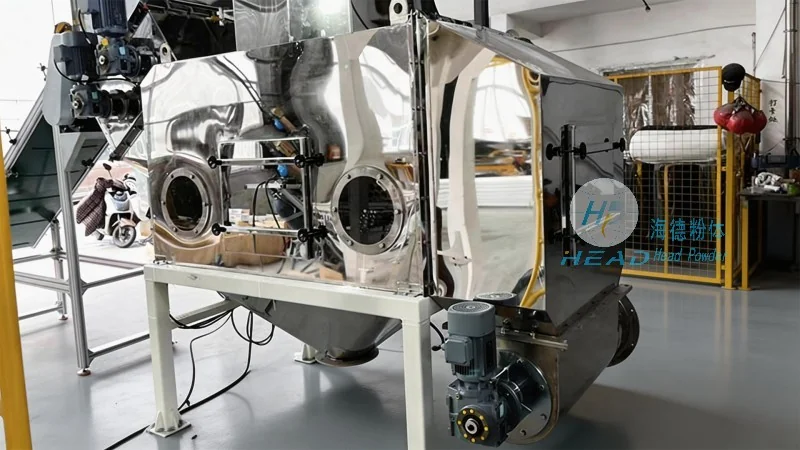
Components and Functionality of the Conveying Line
A typical glass-blasted microsphere pneumatic conveying line consists of several essential components. The system starts with a material feeder, which can be a rotary valve or a screw feeder, designed to introduce the microspheres into the system at a controlled rate. The feeder is connected to a duct or pipeline where compressed air is introduced. The air, carrying the microspheres, moves through the pipeline to the destination point, which could be a storage silo, a processing unit, or another processing location. At the end of the line, a separator or cyclone is used to separate the microspheres from the air stream, allowing the material to be collected while the air is either recirculated or vented. Filters are also included to prevent dust from escaping and to maintain air quality. The design of each component must account for the material's properties, such as its size, density, and abrasiveness, to ensure long-term operation without maintenance issues.
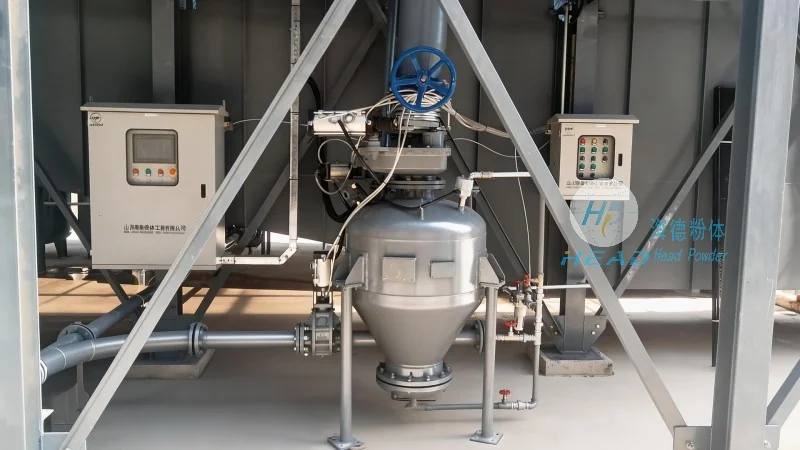
Role of Shandong HeadPowder Engineering Co., Ltd. in Design and Implementation
Shandong HeadPowder Engineering Co., Ltd., operating under the brand name HeadPowder, specializes in the engineering and manufacturing of pneumatic conveying systems tailored to the needs of various industries. With a focus on glass-blasted microspheres and other similar materials, the company leverages its expertise in material handling and process engineering to design customized solutions. The company's team of engineers works closely with clients to understand their specific requirements, such as the volume of material to be conveyed, the distance, and the desired output. Based on these inputs, they develop detailed designs that incorporate the latest technologies and best practices. HeadPowder's systems are known for their efficiency, reliability, and low maintenance, which are crucial for industries where downtime can be costly. The company's facilities in Shandong, China, are equipped with advanced equipment and skilled personnel to ensure that each project is executed to the highest standards.
Key Design Considerations and Best Practices
When designing a pneumatic conveying line for glass-blasted microspheres, several factors must be carefully considered to achieve the best results. The first is the material's physical properties, including particle size distribution, density, and abrasiveness. These properties influence the air velocity and pressure required for effective transport. For example, smaller particles may require higher air velocities to stay in suspension, while larger particles might need lower velocities to avoid excessive wear on the system components. The system's layout also affects performance; a straight line with minimal bends is generally more efficient than a long, winding line with many turns. Bends and elbows can cause pressure drops and increase the risk of material buildup, so they are minimized or designed with appropriate radii to maintain flow. Additionally, the use of appropriate materials for the conveying components, such as stainless steel or specialized coatings, is essential to resist corrosion and wear from the microspheres. Regular maintenance, including cleaning and inspection of components, is also a critical part of ensuring the system's longevity and performance.
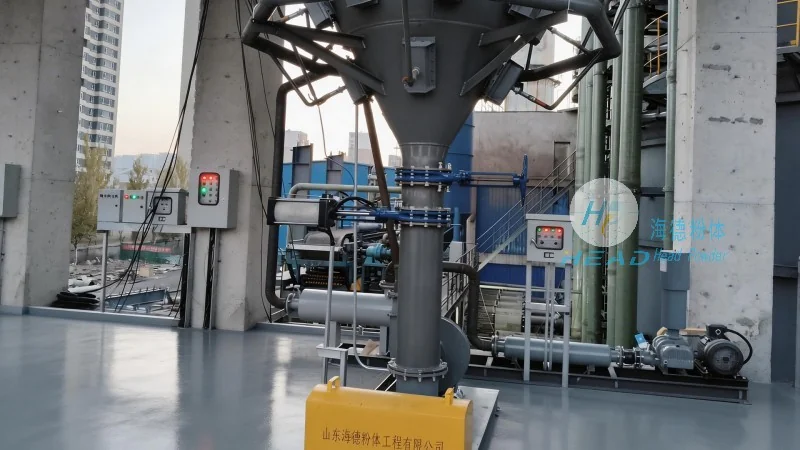
Advantages of Pneumatic Conveying for Glass-Blasted Microspheres
Pneumatic conveying offers several advantages over traditional material handling methods for glass-blasted microspheres. One of the most significant benefits is the ability to transport materials in a dust-free environment, which is crucial for maintaining air quality and preventing contamination in sensitive applications like insulation manufacturing. The system is also highly flexible, allowing for changes in the layout or flow rate without major modifications. This flexibility is particularly valuable in industries where production needs may change over time. Additionally, pneumatic conveying can handle materials over long distances with minimal loss, making it suitable for large-scale operations. The system's ability to integrate with other processes, such as mixing or processing units, also enhances its utility. Overall, the efficiency and reliability of pneumatic conveying make it an attractive option for industries dealing with glass-blasted microspheres.