

What is a Ammonium Chloride Material Pneumatic Conveying Machine? What Are Its Design Principles?
Ammonium chloride is a widely used chemical compound in various industrial applications, and the efficient handling of this material is crucial for maintaining production efficiency and safety. Pneumatic conveying systems have emerged as a reliable solution for transporting ammonium chloride, offering advantages such as dust-free operation, reduced material degradation, and the ability to handle a wide range of particle sizes. In this context, understanding the specific design principles of an ammonium chloride material pneumatic conveying machine becomes essential for optimizing material flow and ensuring operational stability.
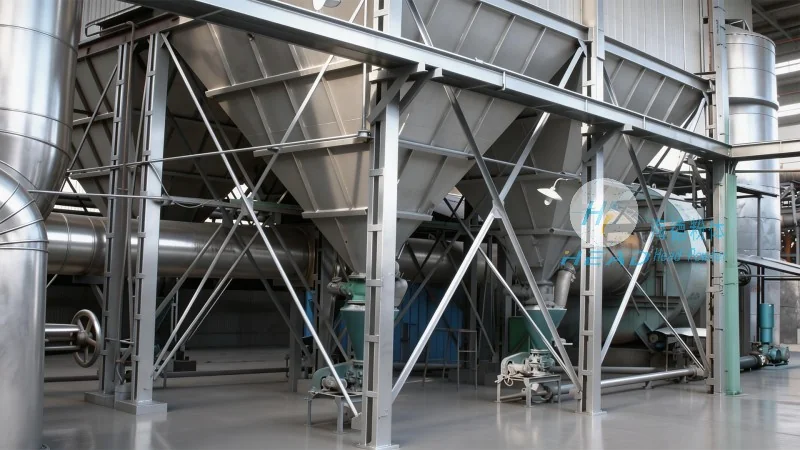
Introduction to Ammonium Chloride Pneumatic Conveying Machines
HeadPowder, a leading manufacturer in the field of material handling equipment, specializes in designing and manufacturing pneumatic conveying systems tailored to the unique requirements of ammonium chloride processing. The company's expertise lies in creating customized solutions that address the challenges associated with handling this chemical, including its hygroscopic nature and potential for dust generation. By leveraging advanced engineering and material science, HeadPowder has developed a range of pneumatic conveying machines that meet the stringent standards of the chemical industry.
Key Design Principles of Ammonium Chloride Pneumatic Conveying Machines
The design of an ammonium chloride material pneumatic conveying machine involves several critical principles aimed at ensuring efficient and safe operation. First, the system must be constructed from materials that are resistant to corrosion and chemical attack, as ammonium chloride can be aggressive to certain metals. Stainless steel or specialized alloys are commonly used for components such as hoppers, pipelines, and valves to prevent degradation over time. Second, the machine must be designed to minimize the risk of dust accumulation and explosion hazards. This is achieved through the incorporation of explosion-proof features, such as flame arrestors and proper venting systems, which are essential for compliance with safety regulations in the chemical sector.
Third, the conveying velocity and pressure are carefully optimized to prevent material degradation and blockages. The system typically operates under positive pressure, where air or gas is used to transport the material through a pipeline. The velocity of the conveying medium is adjusted to ensure that the ammonium chloride particles remain suspended and do not settle, which could lead to clogging. Additionally, the design considers the particle size distribution of the ammonium chloride, as larger particles may require higher velocities to maintain flow. HeadPowder's engineers use computational fluid dynamics (CFD) and other simulation tools to model the flow behavior and optimize the system parameters for each specific application.
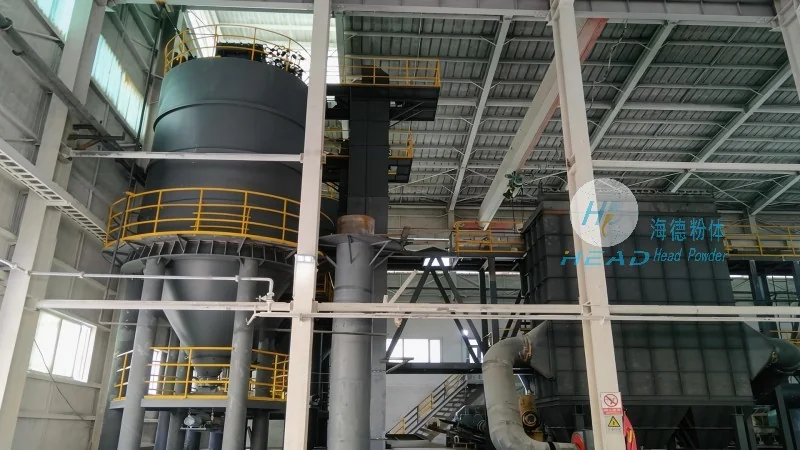
Components and Functionalities of the Ammonium Chloride Pneumatic Conveying System
The ammonium chloride pneumatic conveying machine from HeadPowder consists of several key components that work in tandem to achieve efficient material transport. The system typically includes a hopper for material storage, a feeder to control the flow rate, a conveying pipeline, and a receiver for the discharged material. The hopper is designed with a sloped bottom to facilitate smooth material discharge and prevent bridging, which is common in hygroscopic materials like ammonium chloride. The feeder, often a rotary valve or a screw feeder, ensures a consistent and controlled flow of material into the pipeline, preventing surges that could disrupt the conveying process.
The conveying pipeline is constructed from durable materials, such as stainless steel or PTFE-coated pipes, to withstand the corrosive nature of ammonium chloride. The pipeline layout is carefully planned to minimize bends and changes in direction, as sharp turns can cause particle accumulation and blockages. The system may also include pulse jets or air cannons to clear any potential blockages, ensuring continuous operation. The receiver, typically a storage tank or a processing unit, is equipped with a venting system to release any accumulated air or gas, maintaining pressure stability within the system.
Advantages of Using an Ammonium Chloride Pneumatic Conveying Machine
Implementing a pneumatic conveying system for ammonium chloride offers several advantages over traditional methods, such as belt conveyors or bucket elevators. One of the primary benefits is the ability to handle the material in a dust-free environment, reducing the risk of inhalation hazards and improving workplace safety. This is particularly important in facilities where ammonium chloride is processed in large quantities. Additionally, pneumatic conveying systems can transport materials over longer distances with minimal loss, as the material remains suspended in the conveying medium, reducing the need for multiple transfer points.
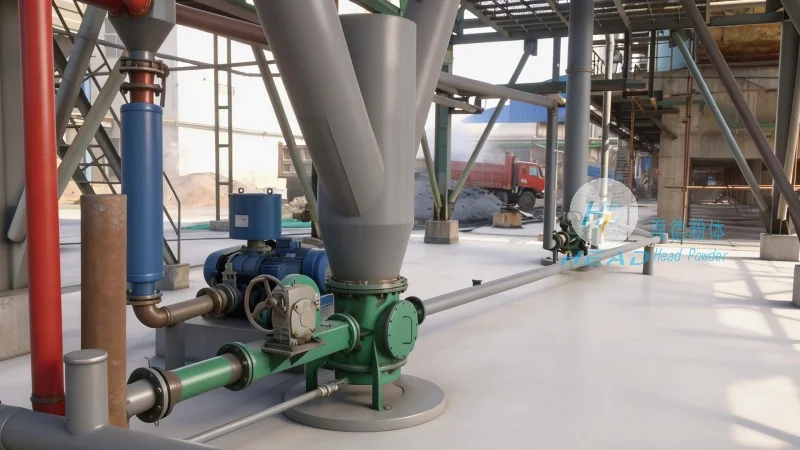
Another advantage is the reduced risk of material degradation. Unlike mechanical conveyors that may cause abrasion or impact damage, pneumatic systems use air to move the material, minimizing the risk of particle breakage or contamination. This is crucial for maintaining the quality of the ammonium chloride, which is often used in applications where purity is critical, such as in the production of fertilizers or pharmaceuticals. Furthermore, the system's ability to handle a wide range of particle sizes and moisture content makes it versatile for various processing stages, from raw material handling to final product packaging.
Application Scenarios and Customization Options
HeadPowder's ammonium chloride pneumatic conveying machines are designed to meet the diverse needs of different industries. The company offers customized solutions tailored to specific production requirements, including the capacity, conveying distance, and operating conditions. For example, in fertilizer manufacturing plants, the system may be used to transport ammonium chloride from storage silos to mixing and granulation units. In pharmaceutical production, the machine can be integrated into a cleanroom environment, where the material is handled under controlled conditions to prevent contamination.
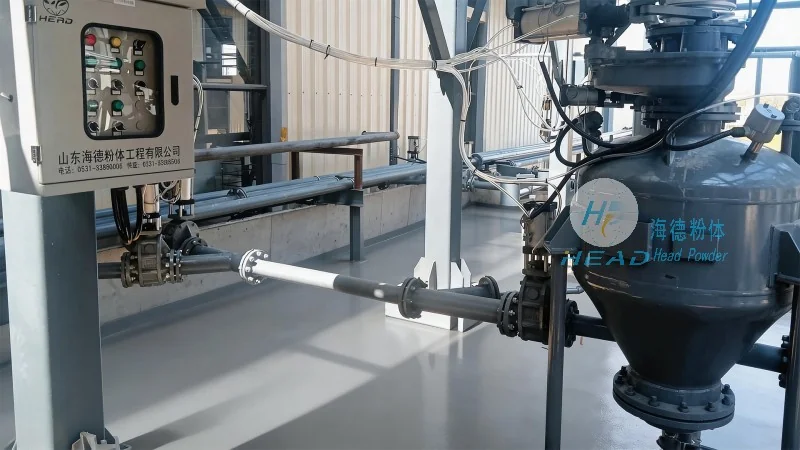
The system can also be adapted for use in various processing stages, such as material transfer between different production lines, or for loading and unloading of containers. HeadPowder's engineers work closely with clients to understand their specific operational needs and provide recommendations for the most suitable system configuration. This includes selecting the appropriate conveying velocity, pressure, and pipeline diameter based on the material characteristics and production scale. The company also offers maintenance and support services to ensure the long-term reliability and performance of the equipment.
Conclusion and Company Information
In conclusion, an ammonium chloride material pneumatic conveying machine is a sophisticated piece of equipment that plays a vital role in the efficient and safe handling of this chemical. The design principles, components, and functionalities of such a system are carefully engineered to address the unique challenges associated with ammonium chloride, including its hygroscopic nature and potential for dust generation. HeadPowder, with its expertise in material handling technology, provides high-quality solutions that meet the demanding requirements of the chemical industry. The company's commitment to innovation and customer satisfaction ensures that clients receive reliable and efficient equipment that enhances their production processes.
HeadPowder Engineering Co., Ltd. is a professional manufacturer specializing in material handling equipment. The company is located in Shandong, China, and has established a strong reputation for delivering high-performance pneumatic conveying systems. With a focus on quality, safety, and customer service, HeadPowder continues to be a trusted partner for businesses seeking to optimize their material handling operations. For more information about their ammonium chloride pneumatic conveying machines and other products, please contact the company directly.