

What is a Small Bag Unpacking Material Pneumatic Conveying Machine? What Are Its Design Principles?
Small bag unpacking material pneumatic conveying machines represent a specialized type of equipment designed to efficiently handle bulk materials that are typically packaged in small bags or sacks. These systems are integral to industries where material handling from packaging to processing or storage requires a reliable, dust-free, and automated solution. The core function of such machinery is to open, empty, and transport the contents of these bags through an air-powered system, ensuring minimal waste and optimal material flow. This article will explore the fundamental concepts behind these machines, focusing on their design principles and the technology that enables their operation.
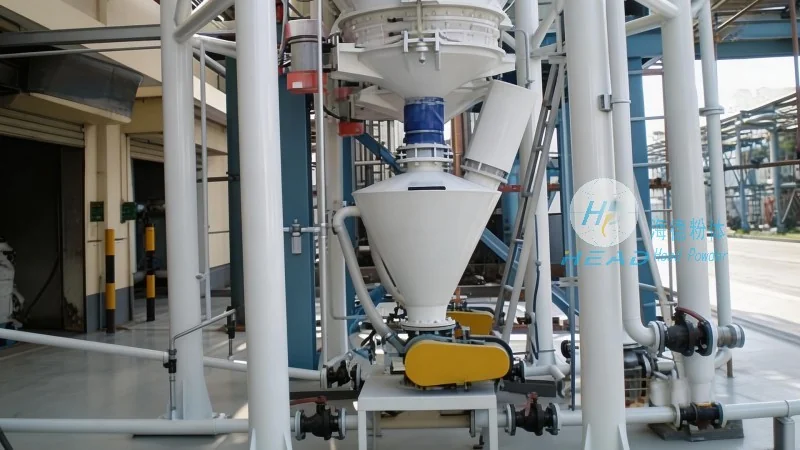
Understanding the Core Functionality of Small Bag Unpacking Pneumatic Conveying Machines
At the heart of small bag unpacking pneumatic conveying systems lies the process of converting packaged bulk materials into a free-flowing stream that can be transported through a pipeline. The system typically begins with a bag opening mechanism, which may involve cutting, tearing, or crushing the bag to release its contents. Once the bag is opened, the material is drawn into a hopper or feeder, where it is then fed into a pneumatic conveying line. The conveying medium, usually compressed air or a combination of air and vacuum, propels the material through the pipeline to its destination, such as a silo, storage tank, or processing unit. This process eliminates the need for manual handling, reduces labor costs, and minimizes the risk of material contamination or spillage.
Key Design Principles Behind Small Bag Unpacking Pneumatic Conveying Systems
The design of small bag unpacking pneumatic conveying machines is governed by several critical principles that ensure efficiency, reliability, and safety. One of the primary design considerations is the selection of appropriate bag opening technology. Different materials and bag types may require specific mechanisms, such as rotary cutters for plastic bags or hydraulic crushers for rigid containers. The hopper or feeder design is also crucial, as it must be able to handle the material's characteristics—such as bulk density, flowability, and moisture content—to prevent blockages or material degradation. Additionally, the air system design plays a vital role, as it must provide sufficient pressure and flow to move the material through the pipeline without excessive energy consumption or pressure drops. The overall system layout, including the placement of bag opening stations, material feeders, and conveying lines, is carefully optimized to minimize the length of the conveying path and reduce energy losses.
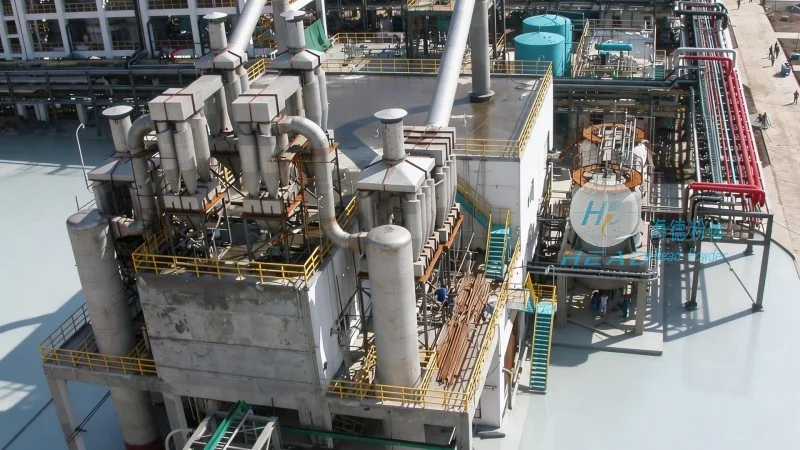
Components and Technology in Small Bag Unpacking Pneumatic Conveying Systems
Small bag unpacking pneumatic conveying machines consist of several key components that work in tandem to achieve the desired functionality. The bag opening unit is the first component, responsible for accessing the material inside the bag. This may include mechanisms like bag cutters, bag crushers, or bag openers with integrated feeding systems. The material feeder, often a hopper or a rotary valve, regulates the flow of material from the bag opening unit into the conveying line. The conveying line itself is typically made of stainless steel or other corrosion-resistant materials to accommodate various material types and prevent contamination. The air system, which may include compressors, filters, and regulators, provides the necessary pressure and air quality to ensure smooth material transport. Finally, the discharge unit, such as a silo or storage tank, receives the material at the end of the conveying line. Each component is designed to be durable, easy to maintain, and compatible with the specific material being handled, ensuring long-term operational reliability.
Applications and Industries Utilizing Small Bag Unpacking Pneumatic Conveying Machines
Small bag unpacking pneumatic conveying systems are widely used across various industries that handle bulk materials in packaged form. In the chemical industry, these machines are essential for transporting powders and granules from bags to processing equipment, ensuring a clean and efficient workflow. The food and pharmaceutical industries also rely on such systems to maintain strict hygiene standards, as the enclosed design prevents contamination and dust exposure. Additionally, in the agricultural sector, small bag unpacking machines are used to handle fertilizers, seeds, and other agricultural products, facilitating their storage and distribution. The versatility of these systems makes them suitable for a wide range of applications, from small-scale operations to large industrial facilities.
Advantages of Using Small Bag Unpacking Pneumatic Conveying Machines
Implementing small bag unpacking pneumatic conveying machines offers numerous advantages over traditional material handling methods. One of the most significant benefits is the reduction in manual labor, as the system automates the entire process from bag opening to material transport. This not only lowers labor costs but also minimizes the risk of workplace injuries associated with manual handling. Additionally, the enclosed design of the system prevents dust and particulate matter from entering the workplace, improving air quality and reducing the risk of respiratory issues for workers. The efficiency of pneumatic conveying also leads to reduced material waste, as the system minimizes spillage and loss during the transfer process. Furthermore, the compact design of these machines allows for easy integration into existing facilities, making them a practical solution for both new and existing operations.
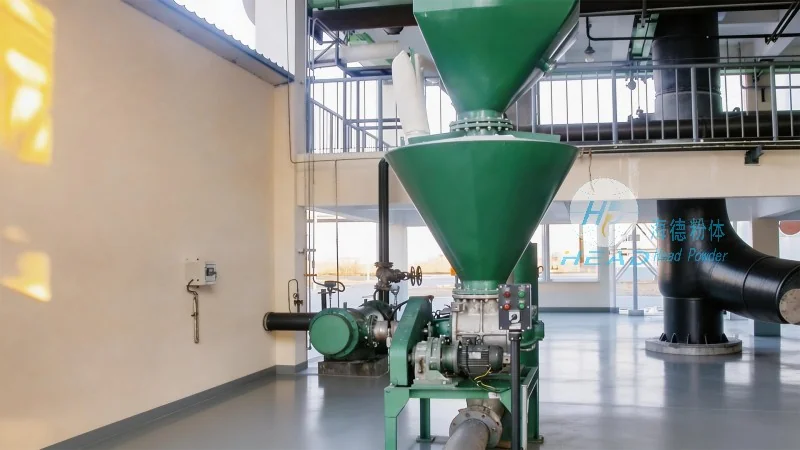
Customization and Scalability of Small Bag Unpacking Pneumatic Conveying Systems
Small bag unpacking pneumatic conveying machines are highly customizable to meet the specific needs of different applications and industries. Manufacturers, such as Shandong HeadPowder Engineering Co., Ltd., offer a range of options to tailor the system to the user's requirements. For example, the bag opening mechanism can be adjusted to handle different bag sizes and materials, while the conveying line length and diameter can be modified to accommodate varying material volumes. The air system can also be scaled to provide the appropriate pressure and flow for different material types, ensuring optimal performance. This flexibility allows businesses to invest in a system that is perfectly suited to their operational needs, whether they are handling small or large quantities of material. Additionally, the modular design of these systems enables easy expansion or modification as the business grows, providing long-term value and adaptability.
Maintenance and Operational Considerations for Small Bag Unpacking Pneumatic Conveying Machines
Proper maintenance is essential to ensure the long-term reliability and efficiency of small bag unpacking pneumatic conveying machines. Regular maintenance tasks include cleaning the bag opening unit and material feeder to prevent material buildup, checking the air system for leaks or pressure issues, and inspecting the conveying line for blockages or wear. It is also important to follow the manufacturer's guidelines for maintenance intervals and procedures to avoid damage to the equipment. Operational considerations include ensuring that the material being handled is compatible with the system's design, as certain materials may require special handling to prevent clogging or degradation. Additionally, monitoring the system's performance, such as pressure and flow rates, can help identify potential issues before they become major problems. By adhering to proper maintenance and operational practices, businesses can maximize the lifespan and performance of their small bag unpacking pneumatic conveying machines.