

What is a Micropowder Material Pneumatic Conveying Machine? And What Are Its Design Principles?
When it comes to handling fine powders and granular materials in industrial settings, the micropowder material pneumatic conveying machine stands out as a critical piece of equipment. This device is designed to transport dry, powdery substances through a pipeline using a pressurized or vacuum air stream. Understanding its functionality and the underlying design principles is essential for industries such as pharmaceuticals, food processing, and chemical manufacturing, where the efficient and hygienic transfer of materials is paramount.
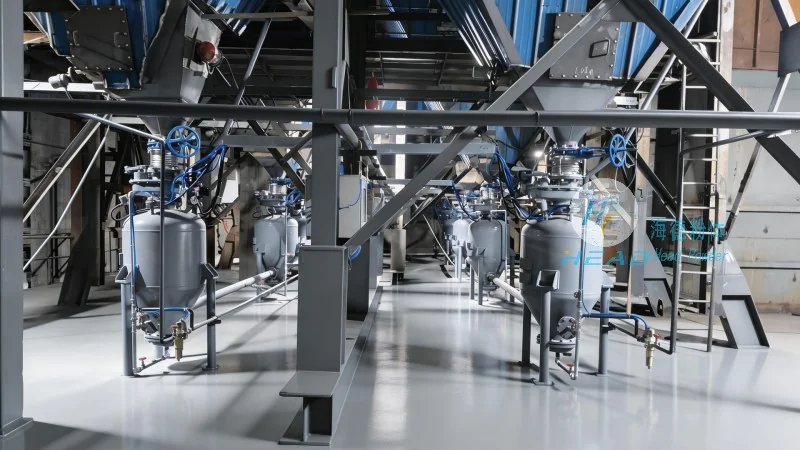
Understanding the Micropowder Material Pneumatic Conveying Machine
The micropowder material pneumatic conveying machine, often referred to as a pneumatic conveyor, is a system that utilizes air to move fine powders or granules from one location to another. Unlike traditional mechanical conveyors, which rely on belts or screws, this equipment operates by creating a flow of air that suspends the particles and transports them through a pipeline. This method is particularly advantageous for materials that are prone to caking, agglomeration, or contamination, as it minimizes direct contact with surfaces and reduces the risk of cross-contamination.
Key Design Principles of the Pneumatic Conveying System
The design of a micropowder material pneumatic conveying machine is based on several fundamental principles that ensure efficient and reliable operation. The primary principle is the creation of a sufficient air velocity to keep the particles suspended in the air stream. This is achieved by controlling the air pressure and flow rate within the system. The machine typically consists of a hopper for material storage, a blower or vacuum pump to generate the air flow, a pipeline network to transport the material, and a receiver or discharge point where the material is collected.
Another crucial design aspect is the selection of the appropriate air velocity and pressure. The air velocity must be high enough to overcome the gravitational forces acting on the particles and prevent them from settling in the pipeline. However, excessive air velocity can lead to increased energy consumption and potential damage to the equipment. Therefore, engineers must carefully calculate the optimal air velocity based on the particle size, density, and flow rate. The pressure system, whether positive (pressure) or negative (vacuum), also plays a vital role in determining the conveying distance and the type of material that can be handled.
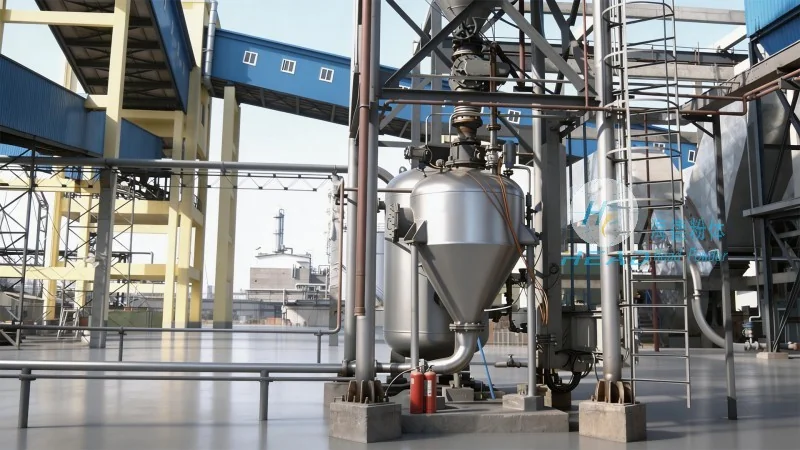
The Role of HeadPowder in Pneumatic Conveying Technology
Shandong HeadPowder Engineering Co., Ltd., a leading manufacturer in the field, specializes in the design, development, and production of high-quality micropowder material pneumatic conveying machines. With a strong presence in China, the company has built a reputation for delivering reliable and efficient solutions tailored to the specific needs of various industries. HeadPowder's expertise lies in customizing conveyor systems to meet the unique requirements of clients, ensuring that the equipment operates at peak performance while maintaining the highest standards of safety and hygiene.
The company's products are engineered to handle a wide range of micropowders, including pharmaceutical powders, food additives, and chemical powders. By leveraging advanced engineering techniques and materials, HeadPowder ensures that its pneumatic conveying machines are durable, easy to maintain, and compliant with industry regulations. The company's commitment to innovation and quality has made it a trusted partner for businesses seeking to enhance their material handling processes and improve overall operational efficiency.
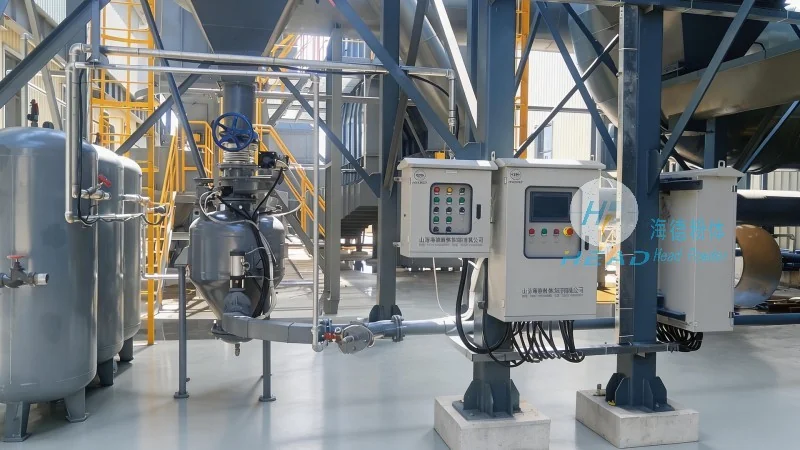
Applications and Benefits of Micropowder Pneumatic Conveying
The micropowder material pneumatic conveying machine finds applications in numerous industries where the handling of fine powders is essential. In the pharmaceutical industry, for example, these machines are used to transport active pharmaceutical ingredients (APIs) and excipients with precision, ensuring that the materials remain sterile and free from contamination. In the food industry, they are employed to convey ingredients such as flour, sugar, and spices, maintaining the quality and safety of the products. Similarly, in the chemical industry, they are used to transport powders like pigments, catalysts, and reagents, supporting the production of various chemical products.
One of the key benefits of using a micropowder material pneumatic conveying machine is its ability to handle materials that are difficult to transport using traditional methods. The system can efficiently convey materials over long distances without the need for multiple transfer points, reducing the risk of material loss and contamination. Additionally, the enclosed pipeline system minimizes dust emissions, contributing to a cleaner and safer working environment. This not only improves workplace safety but also helps in complying with environmental regulations.
Conclusion: The Importance of Reliable Pneumatic Conveying Solutions
In conclusion, the micropowder material pneumatic conveying machine is a vital piece of equipment for industries that rely on the efficient handling of fine powders. Its design principles, which focus on air flow, pressure control, and material suspension, ensure that it can effectively transport materials while maintaining the highest standards of hygiene and safety. Companies like Shandong HeadPowder Engineering Co., Ltd. play a crucial role in providing these advanced solutions, helping businesses to optimize their material handling processes and achieve greater operational efficiency. As industries continue to evolve and demand more precise and reliable material handling solutions, the importance of well-designed pneumatic conveying systems will only grow, making them an indispensable part of modern industrial operations.