

What is a High-Calcium Powder Pneumatic Conveyor? Understanding Its Design Principles
High-calcium powder, commonly utilized in industrial sectors like cement production, construction materials, and chemical processing, necessitates specialized handling equipment for efficient and safe transportation. The high-calcium powder pneumatic conveyor represents a critical solution for moving these materials over extended distances or within intricate production lines. Developed by Shandong HeadPowder Engineering Co., Ltd., a leading manufacturer in this domain, this equipment integrates advanced engineering with robust design to meet the demanding requirements of modern industrial operations.
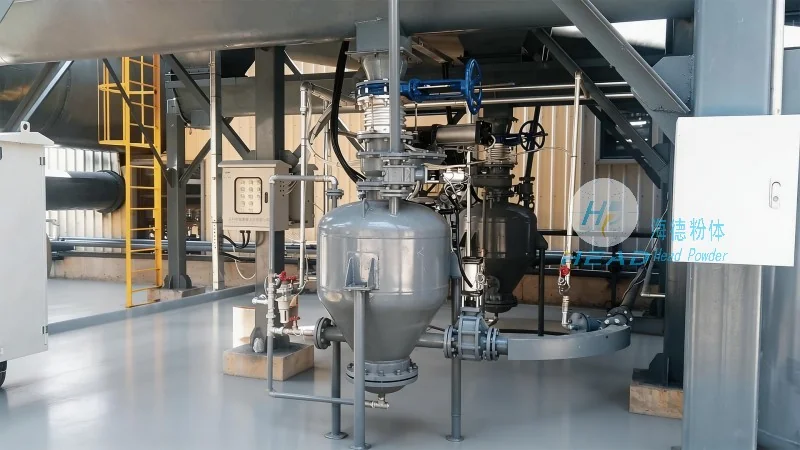
What is a High-Calcium Powder Pneumatic Conveyor?
A high-calcium powder pneumatic conveyor is a system that employs compressed air or other gases to transport dry powders, including high-calcium materials, through a network of pipes. Unlike traditional mechanical conveyors, which rely on belts or screws, pneumatic conveyors utilize air pressure to move materials, making them ideal for handling fine, dusty, or abrasive powders. The system typically comprises a feeding device, a conveying line, a separation unit, and a discharge mechanism. For high-calcium powders, the design must account for the material's density, flowability, and potential for caking or agglomeration, ensuring reliable and consistent performance.
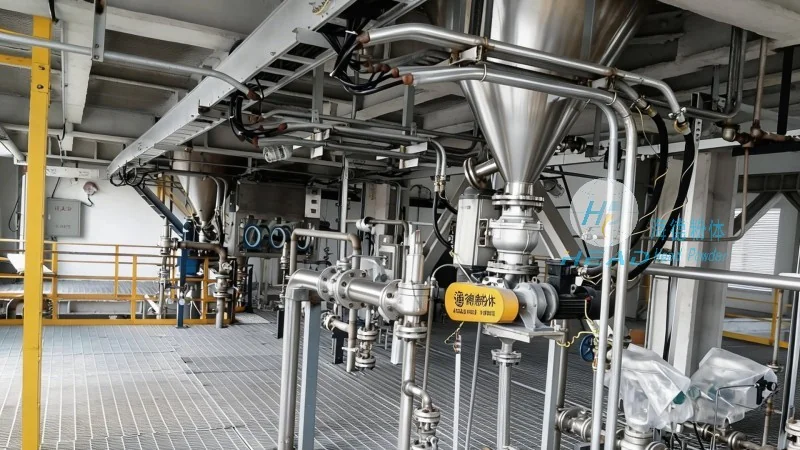
Key Design Principles for High-Calcium Powder Pneumatic Conveyors
The design of a high-calcium powder pneumatic conveyor is guided by several fundamental principles aimed at optimizing performance and durability. First, the system must ensure proper air flow and pressure to maintain the material's suspension in the conveying line. This involves calculating the required air velocity and pressure based on the powder's particle size, density, and moisture content. Second, the equipment must incorporate features to prevent material buildup or blockages, such as anti-caking devices or self-cleaning mechanisms. Third, the design considers the material's abrasive nature, using corrosion-resistant materials for components like the air ducts and separation units to extend the system's lifespan. Additionally, the system is engineered for energy efficiency, minimizing air consumption while maintaining high throughput rates. These principles work together to create a reliable and efficient solution for transporting high-calcium powders in various industrial settings.
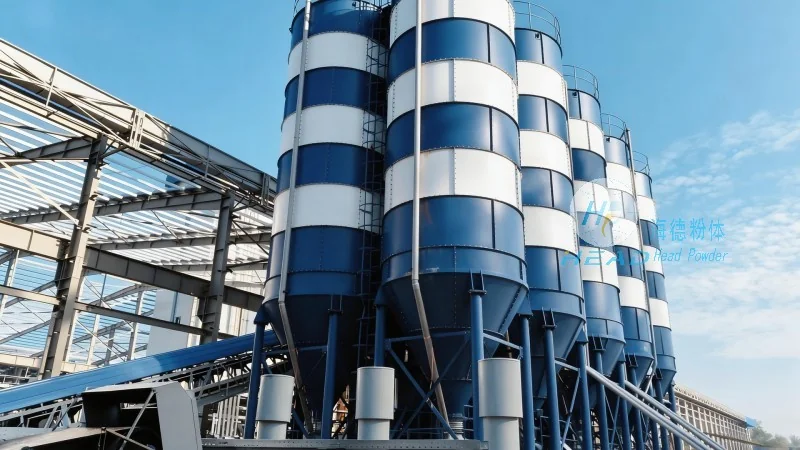
Components and Functionality of the High-Calcium Powder Pneumatic Conveyor
The high-calcium powder pneumatic conveyor consists of several key components, each playing a vital role in the overall operation. The feeding device, often a rotary valve or a hopper with a metering mechanism, introduces the powder into the system at a controlled rate. This ensures a consistent flow of material into the conveying line, preventing overloading or underloading. The conveying line, typically made of stainless steel or other corrosion-resistant materials, transports the powder using compressed air. The air velocity within the line is carefully controlled to keep the powder suspended and prevent deposition. The separation unit, such as a cyclone or a bag filter, removes the powder from the air stream at the discharge end, allowing the air to be recycled or vented safely. The discharge mechanism, which may include a rotary valve or a conveyor, collects the processed powder and directs it to the next stage of the production process. Each component is designed to work in harmony, ensuring the system operates smoothly and efficiently. For high-calcium powders, the components are often equipped with special features, such as anti-static coatings or wear-resistant linings, to address the material's unique properties and enhance performance.
Advantages of Using High-Calcium Powder Pneumatic Conveyors
Implementing a high-calcium powder pneumatic conveyor offers numerous advantages for industrial operations. One of the primary benefits is the ability to transport materials over long distances without the need for complex infrastructure, such as elevators or conveyors. This reduces installation costs and simplifies the overall system layout. Additionally, pneumatic conveyors are highly flexible, allowing for changes in the material flow path or direction without major modifications. The system is also environmentally friendly, as it eliminates the need for dust collection systems or other pollution control measures, as the powder is contained within the air stream. Maintenance requirements are relatively low compared to mechanical conveyors, as there are fewer moving parts and less wear from abrasion. Furthermore, the system can handle a wide range of powder characteristics, including varying particle sizes and moisture levels, making it suitable for diverse applications. These advantages make high-calcium powder pneumatic conveyors a preferred choice for many industries, particularly those dealing with high-calcium materials.
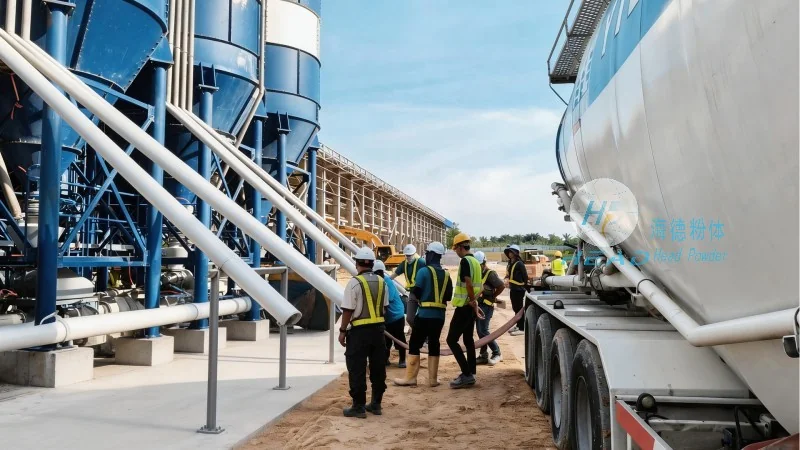
Application Examples and Real-World Performance
The effectiveness of high-calcium powder pneumatic conveyors is demonstrated in various industrial applications. For example, in cement manufacturing, these systems are used to transport raw materials, such as limestone and gypsum, to the production line. The ability to handle high volumes of fine powders efficiently ensures consistent quality in the final product. In construction material production, the conveyors transport high-calcium additives to mixing plants, maintaining precise dosing and reducing material waste. The system's reliability and low maintenance requirements contribute to higher productivity and lower operational costs. Real-world performance data from Shandong HeadPowder Engineering Co., Ltd. shows that their high-calcium powder pneumatic conveyors achieve throughput rates of up to 50 tons per hour, with minimal downtime and low energy consumption. These results highlight the system's efficiency and durability, making it a trusted solution for industrial operations.