

What is a Wheat Bran Material Pneumatic Conveying Machine? And What Are Its Design Principles?
Wheat bran, a byproduct of wheat milling, is commonly used in various industries such as animal feed, food processing, and pharmaceuticals. Efficient and reliable transportation of wheat bran is crucial for maintaining product quality and operational efficiency. Pneumatic conveying systems, particularly those designed for handling wheat bran, offer a solution that minimizes dust, reduces contamination risks, and enhances process control. This article explores the concept of wheat bran material pneumatic conveying machines and delves into their design principles, highlighting how they address the unique challenges associated with transporting this specific material.
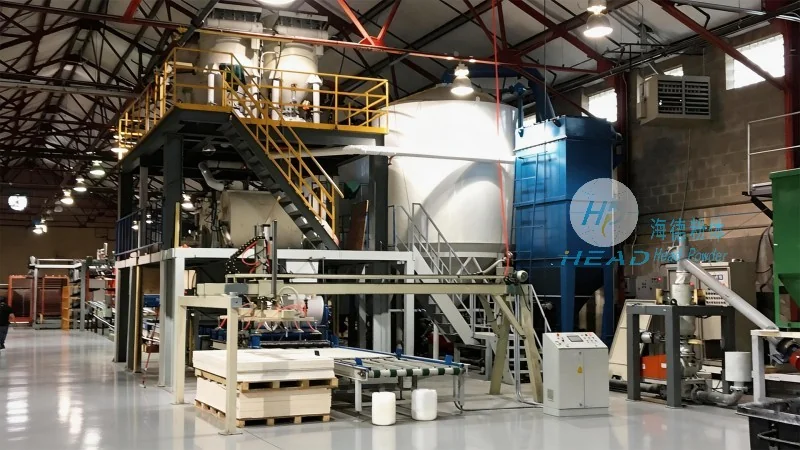
HeadPowder: A Leader in Pneumatic Conveying Solutions
Shandong HeadPowder Engineering Co., Ltd., a prominent manufacturer based in China, specializes in the design, development, and production of advanced pneumatic conveying equipment. With years of experience in the industry, HeadPowder has established itself as a trusted provider of high-quality solutions tailored to the needs of various sectors. The company’s commitment to innovation and customer satisfaction has positioned it as a key player in the global market for material handling systems. HeadPowder’s expertise lies in understanding the specific requirements of different materials, including wheat bran, and designing systems that ensure optimal performance, durability, and safety.
Understanding Pneumatic Conveying Technology
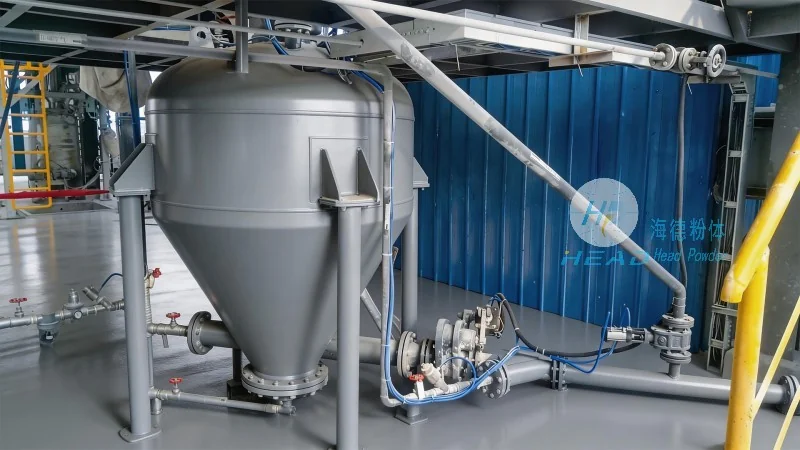
Pneumatic conveying is a method of transporting bulk materials through a pipeline using compressed air or other gases. Unlike mechanical conveyors, which rely on physical components like belts or screws, pneumatic systems use air to move materials, making them ideal for handling fine, dusty, or abrasive materials like wheat bran. The core components of a pneumatic conveying system include a hopper for material storage, a blower or compressor to generate airflow, a pipeline network to transport the material, and a discharge point where the material is released. The design of these components is critical to the system’s efficiency and effectiveness.
Design Principles for Wheat Bran Pneumatic Conveying Machines
The design of a wheat bran material pneumatic conveying machine must consider several key factors to ensure reliable operation and optimal performance. First, the system must be capable of handling the specific characteristics of wheat bran, such as its particle size, moisture content, and flowability. Wheat bran particles are typically fine and lightweight, which can lead to issues like clogging or uneven flow if not properly managed. Therefore, the design incorporates features like appropriate hopper geometry, air flow control mechanisms, and material separation devices to prevent blockages and ensure consistent transport.
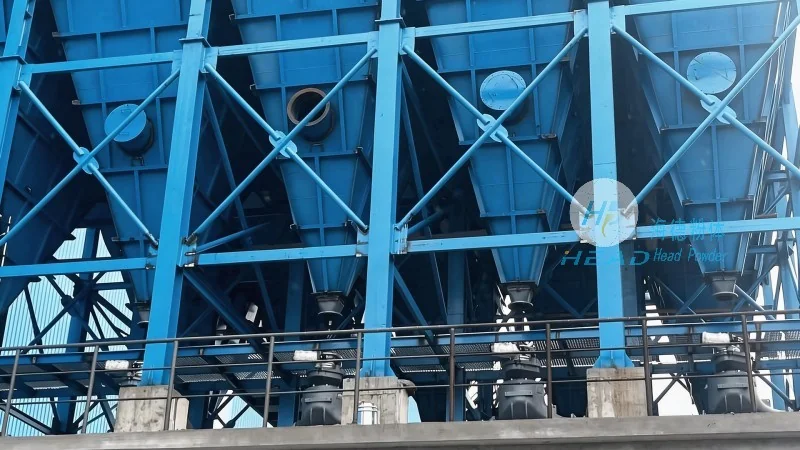
Second, the system must address the dust control requirements associated with wheat bran. Pneumatic conveying can generate significant dust, which poses health and safety risks as well as environmental concerns. HeadPowder’s designs incorporate dust collection and filtration systems to minimize airborne particles, ensuring compliance with occupational health and environmental regulations. This is achieved through the use of high-efficiency filters and proper ventilation systems integrated into the conveyor design.
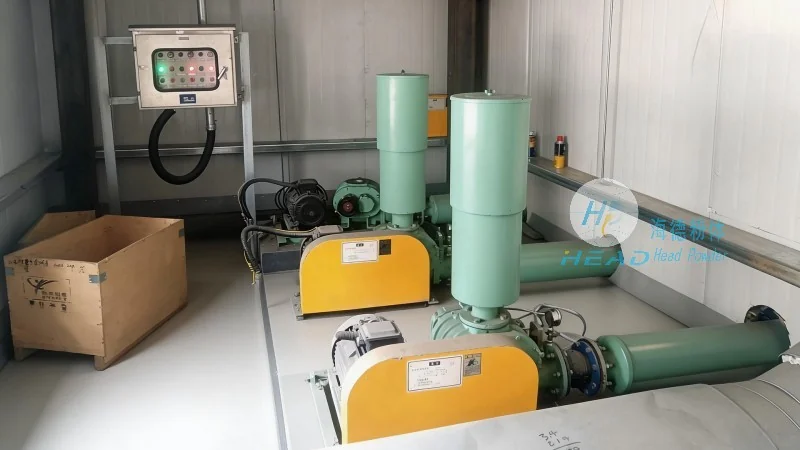
Third, the system’s energy efficiency is a critical design consideration. Efficient use of compressed air reduces operational costs and environmental impact. HeadPowder employs advanced blower technologies and optimized air flow designs to minimize energy consumption while maintaining the required conveying capacity. This includes the use of variable frequency drives (VFDs) to adjust air pressure and flow based on the material load, ensuring that energy is used only as needed.
Fourth, the durability and maintenance of the system are essential for long-term operation. Wheat bran can be abrasive and may contain moisture, which can cause wear and corrosion on conveyor components. HeadPowder uses high-quality materials, such as stainless steel and corrosion-resistant coatings, to protect against wear and corrosion. Additionally, the design incorporates easy access points for maintenance and cleaning, reducing downtime and maintenance costs.
Key Components and Their Functions
A wheat bran pneumatic conveying machine consists of several key components, each playing a vital role in the overall system. The hopper is the primary storage unit, designed to hold the wheat bran and feed it into the conveying system. The hopper’s design, including its shape and size, is optimized to prevent material bridging and ensure a consistent flow of material into the pipeline. The blower or compressor generates the necessary airflow to move the wheat bran through the pipeline. The choice of blower type (positive displacement or centrifugal) depends on the specific application and material characteristics. The pipeline network connects the hopper to the discharge point and is designed to minimize pressure losses and ensure smooth material transport. The discharge point is where the wheat bran is released from the system, typically into a storage silo or processing equipment. The system may also include additional components such as filters, cyclones, or rotary valves to control the flow and ensure proper material handling.
Applications and Benefits of Wheat Bran Pneumatic Conveying Machines
Wheat bran pneumatic conveying machines are widely used in various industries due to their versatility and efficiency. In the animal feed industry, these systems are used to transport wheat bran from storage to feed mills, ensuring a consistent supply of raw material. In food processing, they are employed to move wheat bran for use in baked goods, snacks, and other products, maintaining product quality and reducing contamination risks. In the pharmaceutical industry, the systems are used to transport wheat bran for use as a filler or excipient in drug formulations, where purity and consistency are critical. The benefits of using pneumatic conveying systems for wheat bran include improved product quality, reduced labor costs, enhanced safety, and increased operational efficiency. By minimizing dust and contamination, these systems help maintain the integrity of the wheat bran, ensuring that it meets the required standards for use in various applications.