

What is a Compound Fertilizer Material Pneumatic Conveying Machine? What are its Design Principles?
For those in the fertilizer manufacturing industry, understanding the equipment used to transport bulk materials efficiently is crucial. A key piece of machinery in this field is the compound fertilizer material pneumatic conveying machine. This equipment is designed to handle the transportation of granular or powdered fertilizers, ensuring a reliable and efficient process from the production line to storage or packaging areas. Shandong HeadPowder Engineering Co., Ltd., a leading manufacturer in the industry, specializes in designing and supplying such advanced pneumatic conveying systems for fertilizer production.
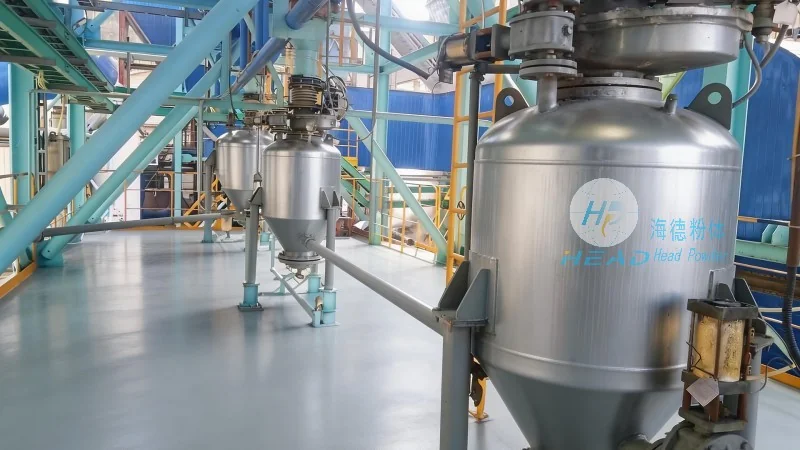
Introduction to Compound Fertilizer Material Pneumatic Conveying Machines
A compound fertilizer material pneumatic conveying machine is a system that uses air pressure or vacuum to move bulk solid materials, such as compound fertilizers, through a pipeline. This method is particularly advantageous for transporting materials that are difficult to handle with traditional mechanical conveyors, like those with high moisture content, abrasive properties, or those that are prone to dust generation. The system typically consists of a feeding hopper, a conveying line, a separation unit, and a discharge outlet. The primary function is to transport the fertilizer from the production area to the next stage of processing or storage without the need for manual handling or complex mechanical components.
Design Principles of Pneumatic Conveying Systems
The design of a compound fertilizer material pneumatic conveying machine is based on several key principles to ensure optimal performance and efficiency. The first principle is the selection of the appropriate conveying method, which can be categorized into pressure or vacuum systems. Pressure systems use a blower or compressor to force air and material through the pipeline, while vacuum systems create a negative pressure to draw material into the line. The choice between these methods depends on factors such as the distance to be covered, the material's properties, and the desired flow rate. Another critical design principle is the sizing of the conveying line and components. The diameter of the pipeline must be sufficient to prevent blockages and ensure smooth material flow. The velocity of the air within the line is also carefully calculated to maintain the material in suspension without causing excessive wear on the equipment. Additionally, the system incorporates separation and cleaning mechanisms to prevent material buildup and maintain consistent performance over time.
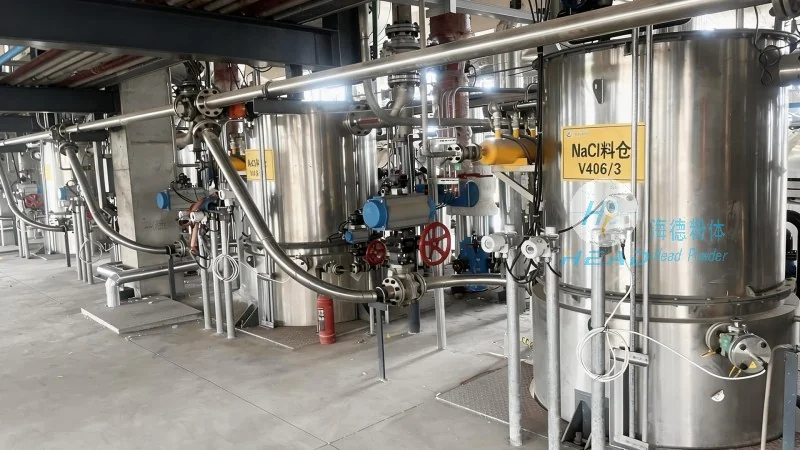
Components and Their Functions
Each component of a compound fertilizer material pneumatic conveying machine plays a vital role in the overall operation. The feeding hopper is responsible for collecting the fertilizer and providing a consistent feed to the system. It is designed to handle the bulk material and ensure a steady flow into the conveying line. The conveying line itself is made of durable materials, such as stainless steel or high-density polyethylene, to withstand the abrasive nature of the fertilizer and resist corrosion. The separation unit, often a cyclone or filter, is used to separate the material from the air stream, allowing the fertilizer to be discharged while the air is either recirculated or vented. The discharge outlet is where the processed fertilizer is collected, typically into a storage bin or packaging machine. Proper maintenance of these components is essential to prevent clogging and ensure the longevity of the system.
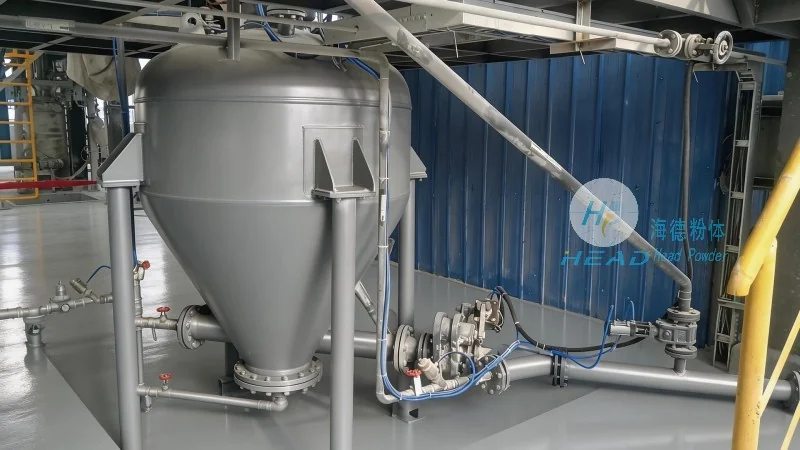
Advantages of Pneumatic Conveying in Fertilizer Production
Implementing a compound fertilizer material pneumatic conveying machine offers several advantages over traditional conveyor systems. One of the most significant benefits is the ability to transport materials over long distances without the need for multiple transfer points or complex infrastructure. This reduces the risk of material loss and contamination, which is critical in the fertilizer industry where product purity is paramount. Additionally, pneumatic conveying systems are more flexible and can be easily reconfigured to accommodate changes in production processes or facility layouts. The enclosed nature of the system also minimizes dust emissions, improving workplace safety and environmental compliance. Furthermore, these systems can handle a wide range of material types and sizes, making them suitable for various compound fertilizer formulations.
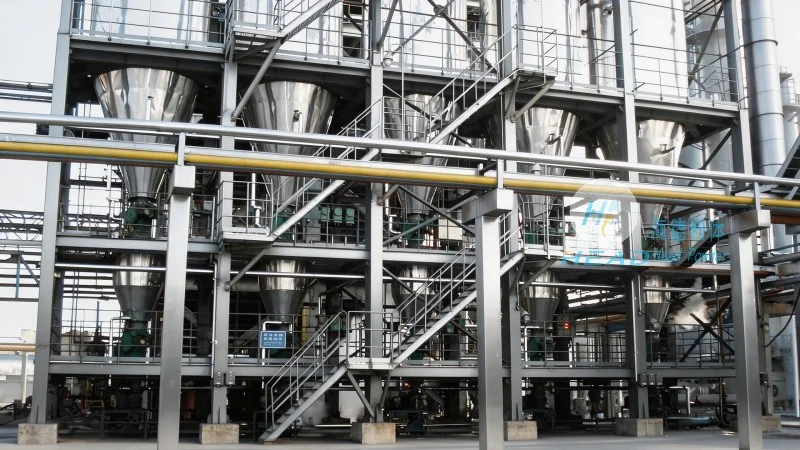
Considerations for Installation and Operation
When installing and operating a compound fertilizer material pneumatic conveying machine, several factors must be considered to ensure optimal performance. The first consideration is the material's properties, including its particle size, density, and moisture content. These characteristics will influence the selection of the conveying method and the design of the system components. For example, highly abrasive materials may require special materials for the pipeline and separation units to prevent wear and tear. Another important consideration is the system's power requirements. The blower or compressor must be sized appropriately to provide sufficient air pressure or vacuum to move the material through the pipeline efficiently. Regular maintenance is also crucial to prevent system failures and ensure consistent performance. This includes cleaning the separation units, checking for leaks in the pipeline, and inspecting the feeding hopper for blockages.
Conclusion
In conclusion, a compound fertilizer material pneumatic conveying machine is a vital piece of equipment in the fertilizer manufacturing industry, designed to efficiently transport bulk materials through pneumatic systems. The design principles, including the selection of conveying methods, component sizing, and separation mechanisms, are critical to ensuring the system's reliability and performance. By understanding these principles and considering the specific requirements of the fertilizer being processed, manufacturers can select and operate a pneumatic conveying system that meets their production needs. The advantages of this technology, such as flexibility, enclosed operation, and reduced material loss, make it an essential investment for modern fertilizer production facilities.