

What is a Salt Material Pneumatic Conveying Machine? And What Are Its Design Principles?
Pneumatic conveying machines are advanced industrial systems designed to transport bulk materials, such as salt, using air or gas as the conveying medium. These systems are widely utilized in the food processing industry, particularly for salt handling, due to their hygienic operation and ability to maintain product quality. As a leading manufacturer in this field, Shandong HeadPowder Engineering Co., Ltd., based in Shandong, China, specializes in developing customized pneumatic conveying solutions tailored for salt and other similar materials.
Key Components and Functionality
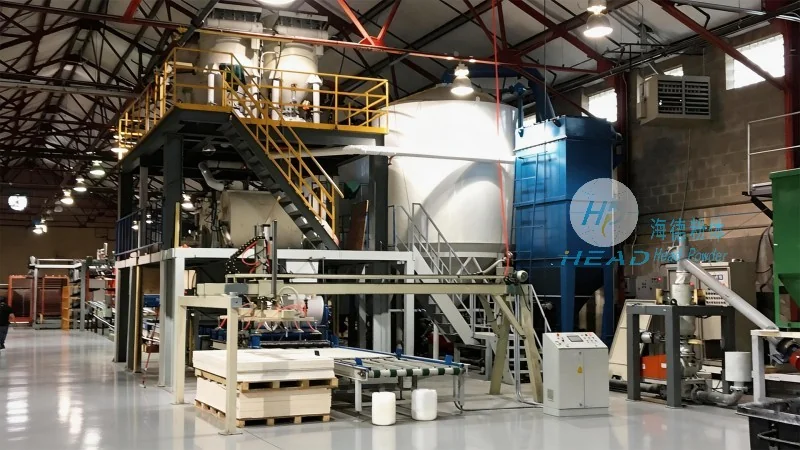
A typical salt material pneumatic conveying system consists of several essential components that work in tandem to ensure efficient material transport. The primary components include a material hopper for storage, an air compressor to generate the necessary pressure, a filter to remove contaminants from the air, and a pipeline network that carries the salt from the source to the destination. The hopper is designed to feed the salt into the system at a controlled rate, while the air compressor provides the force needed to move the material through the pipeline. The filter is crucial for maintaining air quality and preventing dust or particles from entering the system, which is vital for food-grade applications.
Design Principles for Efficient Salt Conveying
The design of a salt material pneumatic conveying machine is based on several critical principles that ensure optimal performance and reliability. Firstly, the system must account for the physical properties of the salt, including particle size, density, and moisture content. These factors influence the air velocity and pressure required to move the material without causing clogging or degradation. For example, fine-grained salt may require higher air velocities to prevent particle agglomeration, while larger granules might need lower velocities to avoid excessive wear on the system components.
Secondly, the conveying distance and elevation changes are key design considerations. The system's pressure and air flow rates are calculated based on the total vertical and horizontal distance the salt needs to travel. For longer distances or significant elevation changes, the design may include additional components like booster pumps or pressure vessels to maintain the necessary pressure throughout the pipeline. This ensures that the material reaches its destination without losing momentum or quality.
Advantages of Pneumatic Conveying for Salt Handling
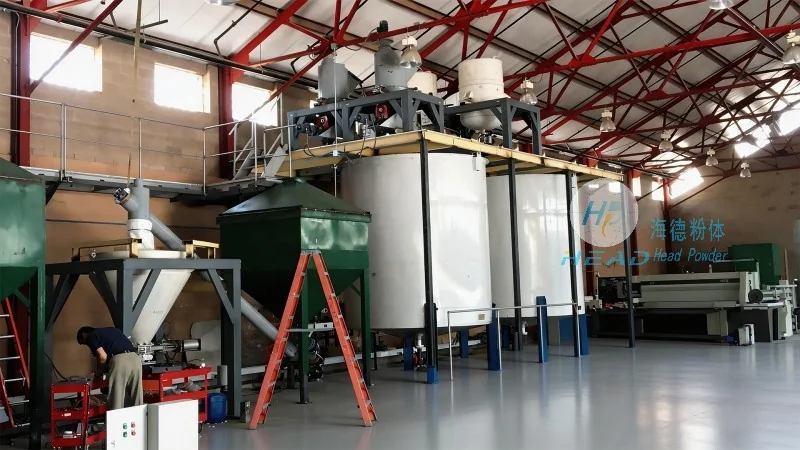
Compared to traditional conveying methods like belt or screw conveyors, pneumatic systems offer several advantages when handling salt. One of the most significant benefits is the reduction in product contamination. Since the salt is transported in an enclosed system with filtered air, there is minimal risk of cross-contamination from external sources. This is particularly important in food processing, where hygiene standards are strictly regulated. Additionally, pneumatic conveying systems are more flexible and can handle changes in material flow rates or destination points without significant modifications to the infrastructure.
Another advantage is the ability to handle a wide range of salt types, from coarse granules to fine powders. The system's design allows for customization to accommodate different salt characteristics, ensuring that each application is optimized for performance. Furthermore, pneumatic conveying reduces labor costs by automating the material transport process, minimizing the need for manual handling and reducing the risk of workplace injuries.
Customization and Application in Salt Processing
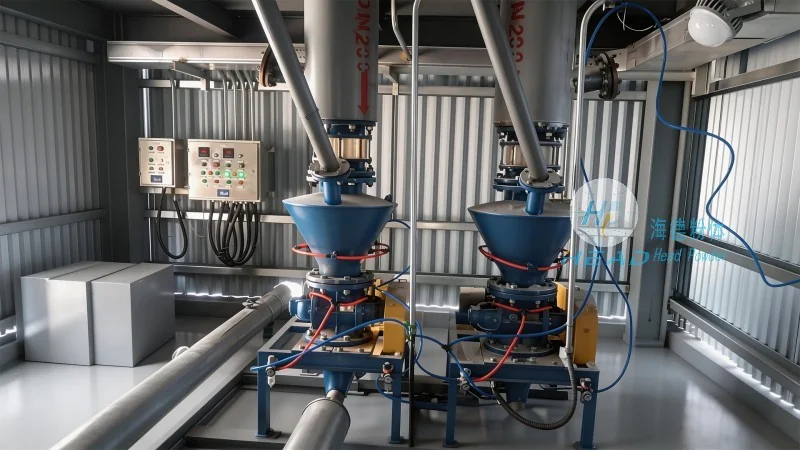
Shandong HeadPowder Engineering Co., Ltd. specializes in providing customized pneumatic conveying solutions for salt processing facilities. Their engineers work closely with clients to understand their specific requirements, such as the volume of salt to be transported, the distance between the source and destination, and any regulatory or hygiene standards that must be met. Based on this information, they design systems that are tailored to the client's needs, ensuring maximum efficiency and minimal downtime.
For example, in a salt production plant, a pneumatic conveying system might be used to transport raw salt from storage silos to processing equipment, or to move finished salt from the packaging line to storage containers. The system can be integrated with other processing equipment, such as crushers or classifiers, to form a complete production line. This integration allows for a seamless flow of materials, improving overall plant efficiency and reducing operational costs.
Conclusion: Reliable and Efficient Salt Handling Solutions
Pneumatic conveying machines are a reliable and efficient solution for handling salt materials in various industrial applications. With their ability to maintain product quality, minimize contamination, and adapt to different salt characteristics, these systems are essential for modern salt processing facilities. Shandong HeadPowder Engineering Co., Ltd., with its expertise and commitment to quality, provides advanced pneumatic conveying solutions that meet the highest standards in the industry, ensuring that clients can achieve optimal performance and cost-effectiveness in their salt handling operations.