

What is a Cellulose Material Pneumatic Conveying Machine? And What Are Its Design Principles?
Cellulose material pneumatic conveying machines represent a specialized type of equipment designed to transport bulk materials, particularly those with cellulose-based compositions, through a pneumatic system. These machines are integral to various industrial processes where efficient and reliable material handling is critical. The technology behind these systems leverages the principles of air flow to move materials from one location to another, offering advantages such as reduced contamination, improved safety, and enhanced operational flexibility compared to traditional mechanical conveying methods. HeadPowder, a leading manufacturer based in Shandong, China, specializes in developing and supplying high-quality pneumatic conveying solutions tailored to the unique needs of cellulose material handling.
Understanding the Core Function of Pneumatic Conveying Systems for Cellulose Materials
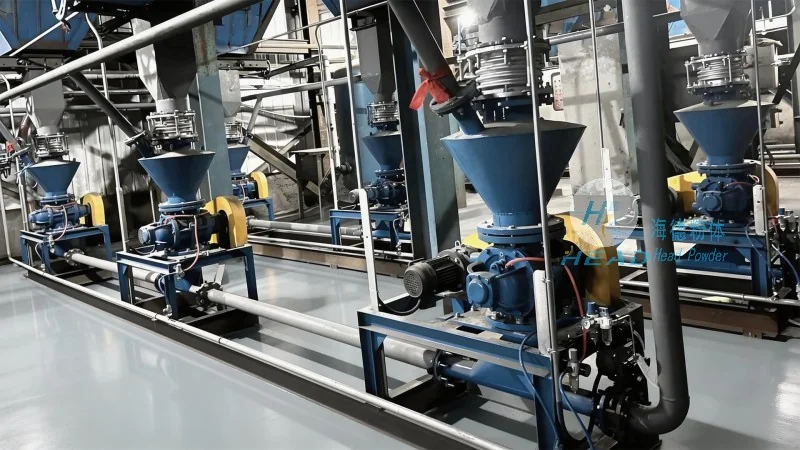
The primary function of a cellulose material pneumatic conveying machine is to transport dry, free-flowing or slightly cohesive materials like wood chips, sawdust, or other cellulose-based powders or granules. The system operates by creating a flow of air within a pipeline, which then propels the material particles through the system. This process involves several key components, including a material feed hopper, an air compressor or blower, and a series of pipes and valves that control the flow direction and pressure. The design of these machines is tailored to handle the specific physical properties of cellulose materials, such as their size, density, and moisture content, ensuring optimal performance and minimal material degradation.
Design Principles Underpinning Efficient Cellulose Material Handling
The design of a cellulose material pneumatic conveying machine is governed by several fundamental principles aimed at maximizing efficiency and reliability. One of the most critical aspects is the selection of appropriate air velocities and pressure levels. The air velocity must be sufficient to overcome the gravitational forces acting on the material particles and to maintain a stable flow within the pipeline. This is often determined by the material's particle size distribution and density, as well as the desired conveying distance and system layout. Additionally, the system's pressure drop must be managed carefully to minimize energy consumption while ensuring consistent material transport. The design also incorporates features to prevent material buildup or blockages, such as cyclone separators or rotary valves, which help maintain system efficiency and prevent downtime.
Key Components and Their Roles in the Pneumatic Conveying Process
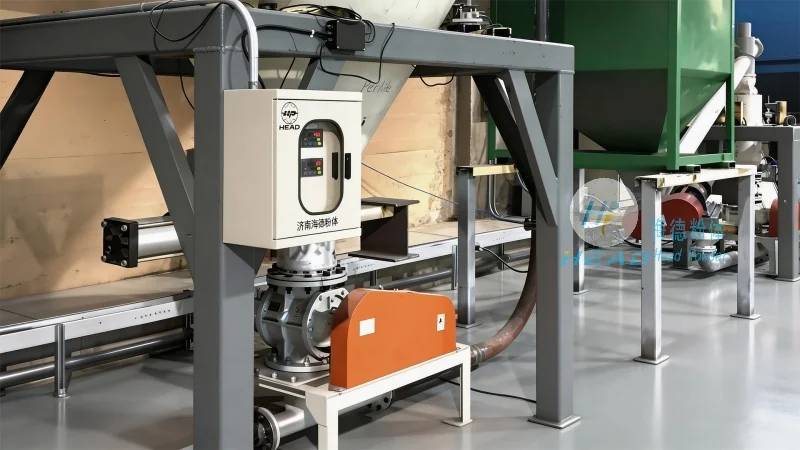
Several key components work in tandem to enable the effective operation of a cellulose material pneumatic conveying machine. The material feed hopper is responsible for storing and feeding the cellulose material into the system, ensuring a consistent flow of material to the air stream. The air compressor or blower generates the necessary air pressure and flow rate to move the material through the pipeline. The pipeline itself is typically made of durable materials like stainless steel or PVC to withstand the abrasive nature of cellulose particles and the pressure of the air flow. Valves and control mechanisms are used to regulate the flow direction, pressure, and material discharge, allowing for precise control over the conveying process. Cyclone separators or filters are often included to separate the material from the air stream, allowing the air to be recirculated or discharged while the material is collected for further processing.
Advantages of Using Pneumatic Conveying for Cellulose Materials
Employing a cellulose material pneumatic conveying machine offers several advantages over traditional mechanical conveying methods. One of the most significant benefits is the reduction of material contamination, as the enclosed system prevents exposure to external elements or cross-contamination from other materials. This is particularly important for cellulose materials used in food, pharmaceutical, or high-purity applications, where maintaining product integrity is paramount. Additionally, pneumatic conveying systems are generally more compact and flexible, allowing for easier integration into existing production lines or facility layouts. The system also reduces labor costs associated with manual handling and minimizes the risk of workplace accidents, as the material is transported without direct human contact. Furthermore, the ability to handle a wide range of material types and sizes makes these machines versatile and adaptable to various industrial needs.
Considerations for Selecting and Implementing a Cellulose Material Pneumatic Conveying System
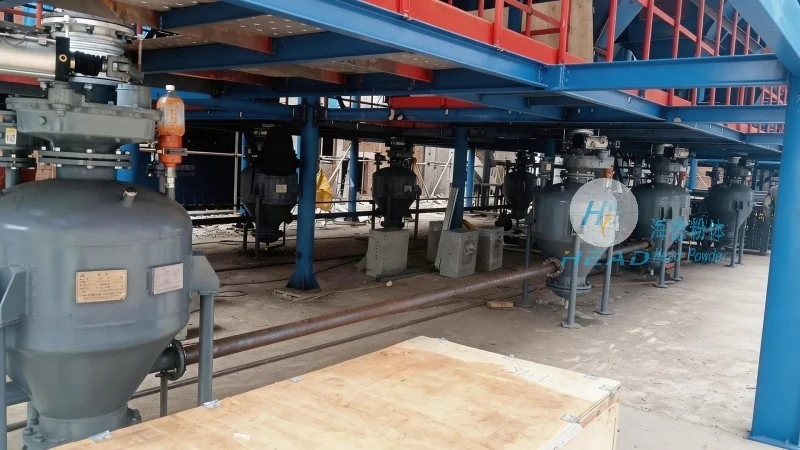
When selecting and implementing a cellulose material pneumatic conveying system, several factors must be considered to ensure optimal performance and long-term reliability. The first step is to assess the specific characteristics of the cellulose material, including its particle size, density, moisture content, and flowability. This information is crucial for determining the appropriate air velocity, pressure, and system components. The conveying distance and layout of the facility also play a critical role in system design, as longer distances may require higher air pressures or additional booster units. Material compatibility with the system components, such as the pipeline and valves, must also be evaluated to prevent corrosion or wear. Finally, the overall cost of the system, including initial investment and operational expenses, should be considered alongside the expected benefits to ensure a sound return on investment.
Conclusion: The Role of Cellulose Material Pneumatic Conveying Machines in Modern Industry
Cellulose material pneumatic conveying machines are essential equipment for industries that rely on the efficient handling of cellulose-based materials. By leveraging the principles of pneumatic transport, these systems offer a reliable, flexible, and cost-effective solution for material movement. The design principles and components of these machines are carefully engineered to address the unique challenges of cellulose materials, ensuring optimal performance and minimal downtime. As industrial processes continue to evolve, the demand for advanced material handling solutions will likely increase, making the cellulose material pneumatic conveying machine an increasingly important component of modern manufacturing and processing operations. With proper selection and implementation, these systems can significantly enhance operational efficiency and product quality, contributing to the overall success of industrial enterprises.