

[What is a Secondary Zinc Oxide Material Pneumatic Conveying System? And What Are Its Design Princip
Secondary zinc oxide material pneumatic conveying systems are specialized industrial equipment designed to transport zinc oxide powders that have undergone secondary processing or are in a form requiring further handling. These systems utilize air or other gases to move the material through a network of pipes, offering a flexible and efficient method for material transfer in various industrial applications. The design of such systems is crucial for ensuring reliable operation, minimizing material degradation, and optimizing energy consumption.
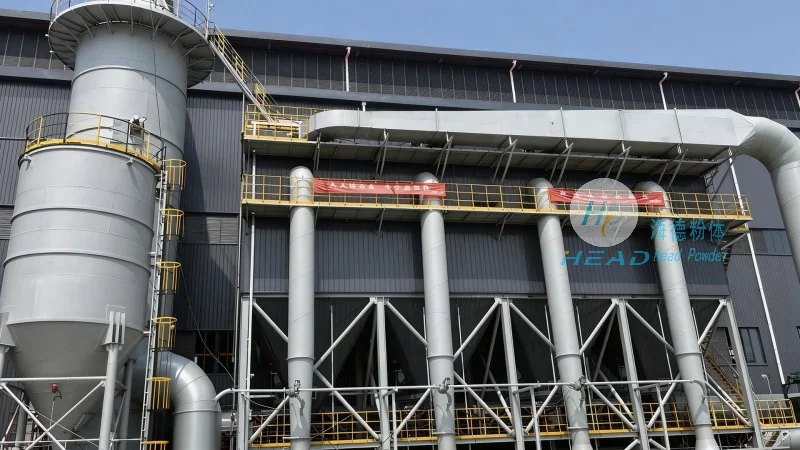
Introduction to Secondary Zinc Oxide Material Pneumatic Conveying Systems
Secondary zinc oxide, often resulting from recycling or reprocessing operations, presents unique challenges in material handling due to its physical properties. Unlike primary zinc oxide, which may have more uniform particle sizes, secondary material can contain a mix of fine powders, agglomerates, and potentially moisture, affecting flow characteristics. Pneumatic conveying systems address these challenges by providing a closed-loop or open-loop transport method that can handle abrasive or sensitive materials without the need for mechanical contact, reducing wear and tear on equipment. This technology is widely used in industries such as pharmaceuticals, chemicals, and metallurgy, where the purity and integrity of zinc oxide are critical.
Design Principles of Pneumatic Conveying Systems for Secondary Zinc Oxide
The core design principle of a pneumatic conveying system is to create a flow of air that propels the material particles through the system. This is achieved by generating sufficient air velocity to overcome the gravitational and frictional forces acting on the particles. For secondary zinc oxide, which may have varying particle sizes and densities, the design must account for these variations to ensure consistent transport. Key design considerations include the selection of the appropriate conveying method (e.g., dilute-phase or dense-phase), the calculation of air flow rates and pressure drops, and the sizing of components such as the air compressor, filters, and separation equipment. Engineers must also consider the material's reactivity and potential for dust generation, incorporating dust control measures into the system design.
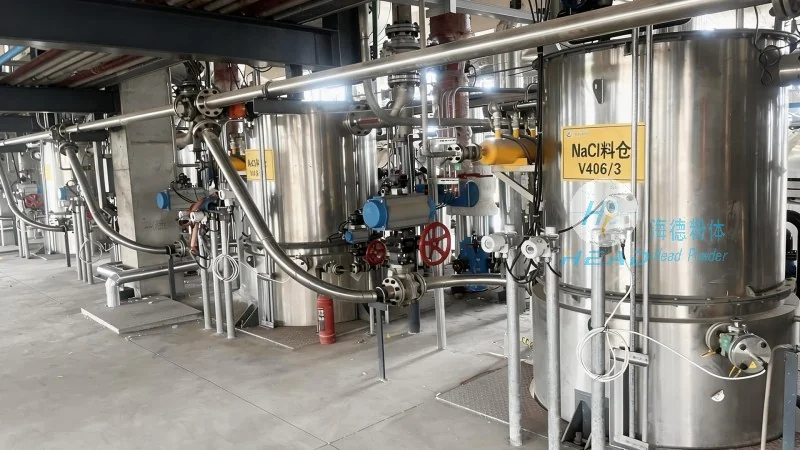
Key Components and Their Functions in the System
A typical secondary zinc oxide pneumatic conveying system consists of several critical components, each playing a vital role in the overall operation. The primary components include the material feed system, the air supply unit, the conveying pipeline, the separation and collection equipment, and the control system. The material feed system, often equipped with a star valve or screw feeder, ensures a controlled and consistent feed of the zinc oxide material into the system, preventing blockages and maintaining uniform flow. The air supply unit, usually a high-pressure air compressor, generates the necessary air pressure to move the material through the pipeline. The conveying pipeline, typically made of stainless steel to resist corrosion from the zinc oxide, is designed with appropriate diameters and bends to minimize pressure loss and ensure smooth material transport. The separation equipment, such as a cyclone separator or bag filter, separates the material from the air stream, collecting the zinc oxide and returning it to the process or storage. The control system monitors and regulates the air pressure, flow rate, and material feed, ensuring the system operates within safe and efficient parameters.
Engineering Considerations for Handling Secondary Zinc Oxide Material
When designing a pneumatic conveying system for secondary zinc oxide, engineers must take into account several factors to ensure optimal performance. First, the particle size distribution and density of the material are critical. Fine particles may require higher air velocities to prevent settling, while larger particles may need lower velocities to avoid excessive wear on the pipeline. The system must also account for the material's moisture content, as moisture can affect flowability and increase the risk of caking or blockages. Additionally, the system must be designed to handle potential dust emissions, incorporating filtration and ventilation systems to comply with environmental regulations. The choice of materials for the system components, such as the use of corrosion-resistant stainless steel for the pipeline and separation equipment, is essential to ensure long-term durability and maintain the purity of the zinc oxide. Proper maintenance and cleaning procedures are also integral to the system's design, as secondary zinc oxide may contain contaminants that can affect equipment performance over time.
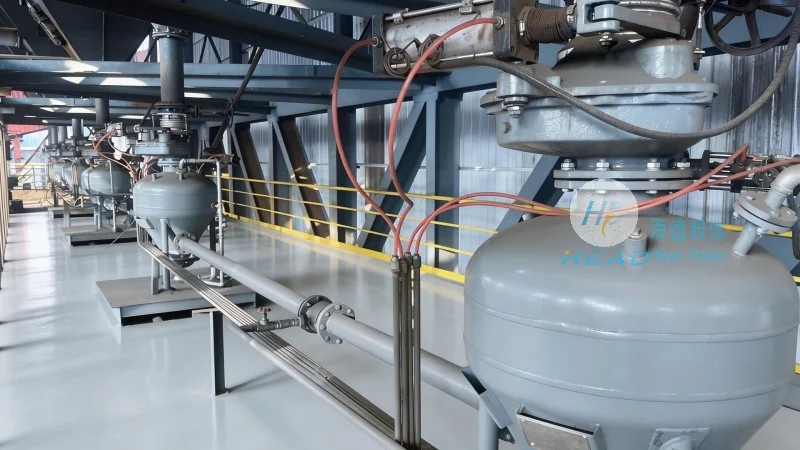
The Role of Shandong HeadPowder Engineering Co., Ltd. in Design and Implementation
Shandong HeadPowder Engineering Co., Ltd., a leading provider of industrial material handling solutions, specializes in the design, manufacturing, and implementation of pneumatic conveying systems tailored to the specific needs of secondary zinc oxide applications. With years of experience in the field, the company understands the unique challenges associated with handling this material and offers customized solutions that address each client's requirements. The company's engineering team conducts thorough analyses of the material properties, process requirements, and operational constraints to develop a comprehensive system design. This includes selecting the appropriate conveying method, determining the optimal air flow rates, and specifying the necessary components to ensure efficient and reliable material transport. HeadPowder also provides installation, commissioning, and maintenance services, ensuring that the system operates at peak performance throughout its lifecycle. The company's commitment to quality and customer satisfaction has made it a trusted partner for industries relying on secondary zinc oxide material handling.
Conclusion: Efficient and Reliable Solutions for Secondary Zinc Oxide Material Transport
Pneumatic conveying systems for secondary zinc oxide material offer a highly effective and flexible solution for industrial material transport, combining efficiency with the ability to handle sensitive materials. By adhering to sound design principles and considering the specific characteristics of the material, these systems can minimize downtime, reduce material loss, and enhance overall process productivity. The expertise of companies like Shandong HeadPowder Engineering Co., Ltd. in designing and implementing such systems ensures that clients receive tailored solutions that meet their operational and regulatory needs. As industries continue to rely on secondary zinc oxide in various applications, the importance of reliable material handling systems cannot be overstated, and pneumatic conveying remains a preferred choice for achieving efficient and safe transport of this critical material.