

What is a biomass powder pneumatic conveying line? What are its design principles?
Understanding the design principles of biomass powder pneumatic conveying lines is crucial for optimizing material handling in industrial applications. These systems are engineered to transport fine powders, such as those derived from biomass sources, through a pressurized or vacuum environment using air or other gases. The core of such a system lies in its ability to efficiently move bulk materials without the need for mechanical components like belts or buckets, which can be prone to wear and contamination.
Key Components and Operational Mechanism
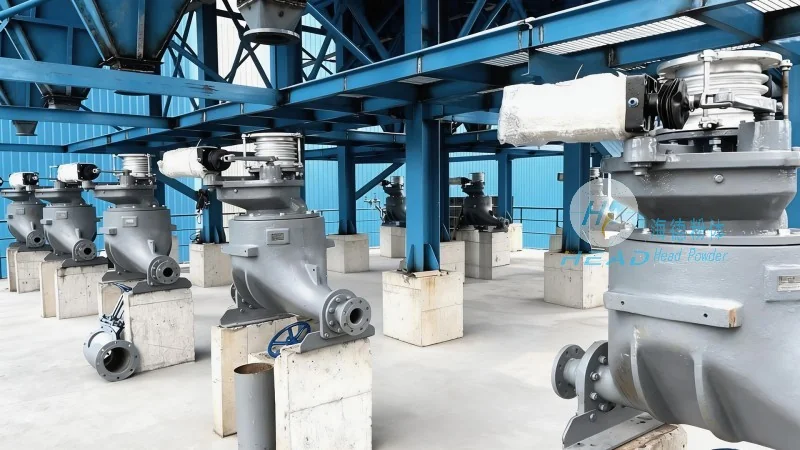
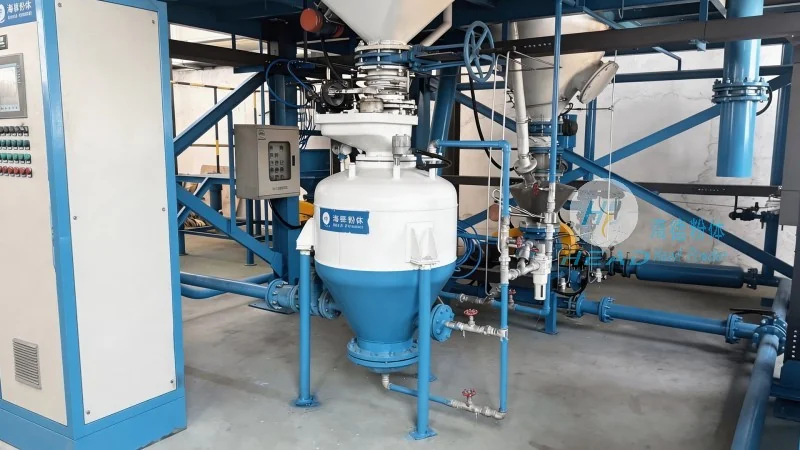
A typical biomass powder pneumatic conveying line consists of several critical components that work in tandem to ensure smooth material transport. The primary elements include a material hopper or feeder, a conveying pipe network, a blower or vacuum pump to generate the necessary airflow, and a receiver or discharge unit. The material hopper is designed to store and meter the biomass powder, ensuring a consistent feed rate into the system. The conveying pipe, often made of stainless steel or other corrosion-resistant materials, is configured to minimize pressure drop and prevent powder buildup or blockages. The blower or vacuum pump provides the motive force, either by creating positive pressure (pressure conveying) or negative pressure (vacuum conveying) to move the powder particles along the pipe.
Design Principles and Considerations
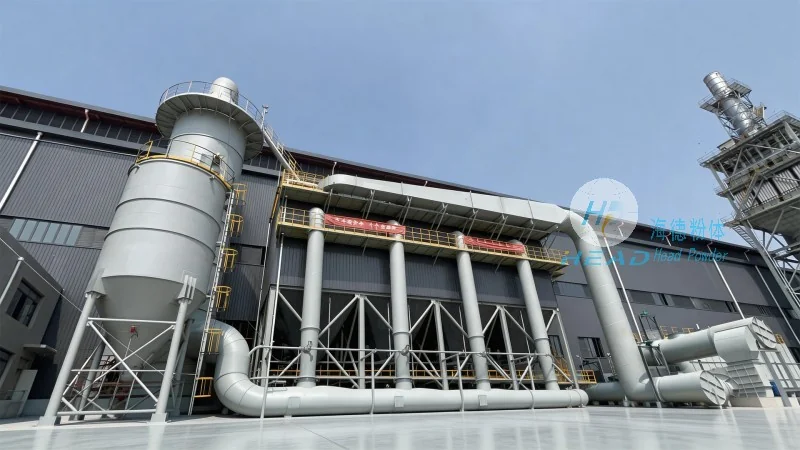
The design of a biomass powder pneumatic conveying line is governed by several key principles aimed at maximizing efficiency, reliability, and material integrity. One of the fundamental principles is the selection of the appropriate conveying method—whether pressure or vacuum—based on the characteristics of the biomass powder, such as particle size, density, and moisture content. For example, pressure conveying is often preferred for materials with higher density or larger particle sizes, as it can handle higher material loads with less pressure loss. Conversely, vacuum conveying is suitable for lighter, more delicate powders that require gentle handling to avoid degradation or agglomeration.
Another critical design consideration is the velocity of the air stream. The air velocity must be sufficient to keep the powder particles suspended and prevent them from settling or sticking to the pipe walls. This is typically achieved by maintaining an air velocity above the "minimum conveying velocity" for the specific powder, which is determined through empirical testing or computational fluid dynamics (CFD) simulations. The design also takes into account the pressure drop along the conveying line, as excessive pressure loss can reduce the system's efficiency and increase energy consumption. Engineers use formulas and empirical data to calculate the optimal pipe diameter, length, and bend angles to minimize pressure drop while ensuring the required airflow.
Material Handling and Process Integration
Biomass powder pneumatic conveying lines are often integrated into larger industrial processes, such as biomass pellet production, biofuel processing, or agricultural product handling. The system's design must align with the overall process flow to ensure seamless material transfer from the source (e.g., raw biomass) to the next stage (e.g., drying, pelletizing, or storage). This integration requires careful consideration of the material's physical properties, such as its flowability and cohesive behavior, to prevent issues like bridging or arching in the hopper or feeder. The system may also incorporate features like vibration or aeration to improve material flow and prevent blockages, especially for cohesive powders.
About HeadPowder Engineering Co., Ltd.
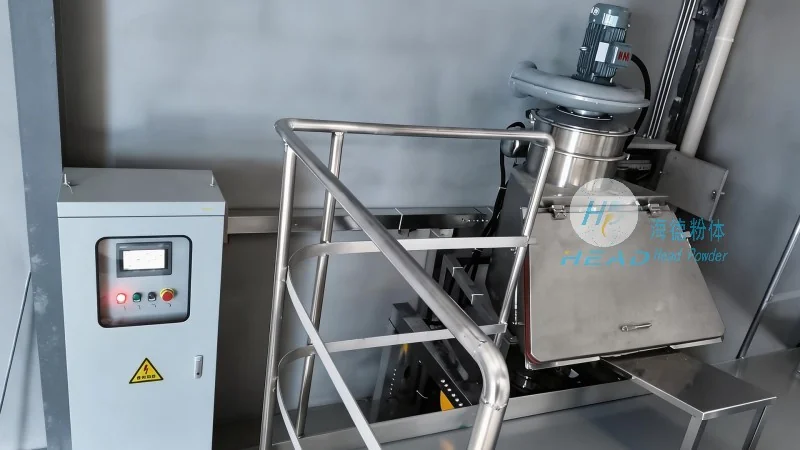
HeadPowder Engineering Co., Ltd., a leading manufacturer based in Shandong, China, specializes in the design, development, and production of advanced pneumatic conveying systems for biomass and other fine powders. With years of experience in the industry, HeadPowder has developed a comprehensive range of solutions tailored to meet the diverse needs of clients in various sectors, including renewable energy, agriculture, and chemical processing. The company's engineering team leverages cutting-edge technology and rigorous testing protocols to ensure that each system meets the highest standards of performance, reliability, and durability. HeadPowder's commitment to quality and customer satisfaction has established it as a trusted partner for businesses seeking efficient and cost-effective material handling solutions.