

What is a Ceramic Particle Material Pneumatic Conveying Line? What Are Its Design Principles?
For industries that rely on ceramic particles, efficient and reliable material handling is paramount to sustaining production efficiency and preserving product integrity. A ceramic particle material pneumatic conveying line represents a specialized technological solution designed to transport ceramic powders or granules through a sealed pipeline using air or gas as the primary conveying medium. This method offers a clean, dust-free, and continuous mode of material transport, which is particularly advantageous for applications where traditional mechanical conveying methods may introduce contamination, cause particle degradation, or disrupt the delicate nature of ceramic materials.
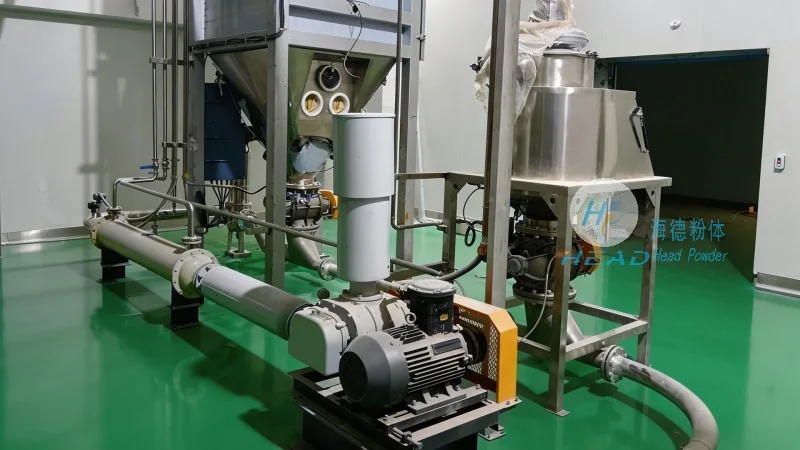
Defining the Concept: What Is a Ceramic Particle Pneumatic Conveying Line?
The core concept of a ceramic particle pneumatic conveying line is the utilization of pressurized or vacuum air to move material through a pipeline. Unlike mechanical conveyors that depend on physical components like belts, screws, or buckets, pneumatic systems employ air pressure to lift, transport, and deposit the material. This approach is especially suited for ceramic powders and granules due to their fine particle size, varying density, and susceptibility to mechanical stress or environmental contamination. The system’s design prioritizes maintaining the material’s purity and structural integrity throughout the conveying process.
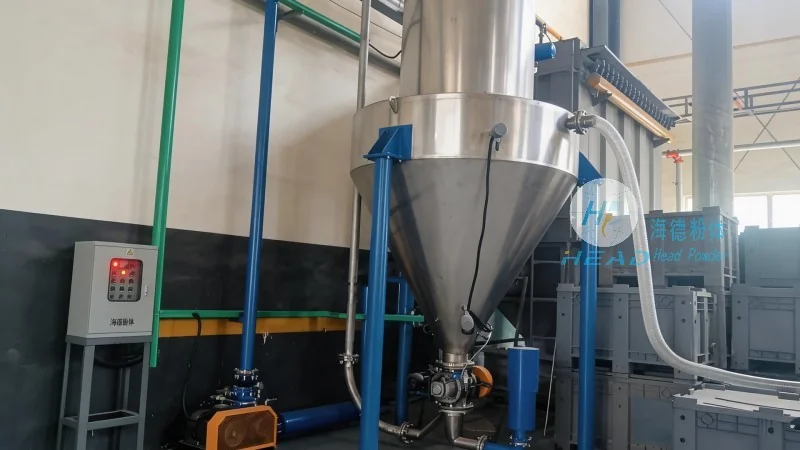
Key Design Principles Underpinning Ceramic Particle Pneumatic Conveying
The successful operation of a ceramic particle pneumatic conveying line is governed by several critical design principles. First, the system must be engineered to accommodate the specific physical and chemical properties of ceramic materials, such as particle size distribution, moisture content, and flow characteristics. The selection of conveying velocity and air pressure is a key design decision, as it directly impacts the material’s movement and the risk of blockages or degradation. Additionally, the system incorporates advanced separation and filtration components, including cyclone separators and high-efficiency filters, to ensure that the material is transported without contamination and that the air is properly cleaned before release. The overall design also emphasizes safety and compliance with industrial standards, particularly regarding dust control and material containment.
System Components and Their Functional Roles
A typical ceramic particle pneumatic conveying system comprises several interconnected components, each with a specific function. The primary components include: 1) The material feed hopper, which stores and feeds the ceramic particles into the system at a controlled rate; 2) The air compressor or vacuum pump, which generates the necessary pressure or vacuum to move the material through the pipeline; 3) The conveying pipeline, which is typically made of materials like stainless steel or plastic to prevent corrosion and ensure durability; 4) The separation and collection equipment, such as cyclone separators and dust collectors, which separate the material from the air and collect it in a clean container; and 5) The discharge system, which delivers the material to the final destination, such as a storage silo or processing equipment. Each component is carefully selected and integrated to ensure seamless operation and minimal downtime.
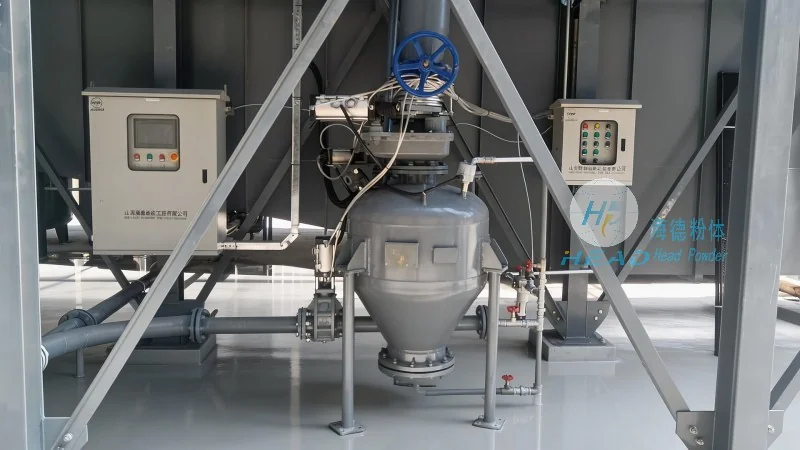
Advantages of Ceramic Particle Pneumatic Conveying Over Traditional Methods
Compared to conventional mechanical conveying methods, ceramic particle pneumatic conveying offers several distinct advantages. One of the most significant benefits is the ability to maintain a dust-free environment, which is critical for preserving the purity of ceramic materials and preventing contamination in downstream processes. Additionally, pneumatic systems can handle a wide range of particle sizes and shapes, making them versatile for various ceramic applications, from fine powders to larger granules. The continuous and automated operation of these systems contributes to improved production efficiency, reduced labor costs, and enhanced safety for operators. Furthermore, the sealed pipeline design minimizes exposure of the material to external factors, such as moisture or air, which can affect the quality and performance of the ceramic particles. These advantages make pneumatic conveying an ideal choice for industries where product quality and process reliability are non-negotiable.