

What is a Bulk Bag Unloading Station Material Pneumatic Conveying System? And What Are Its Design Pr
For industrial operations that handle bulk materials, efficient and reliable material handling systems are crucial. One such system is the bulk bag unloading station material pneumatic conveying system, which plays a vital role in the smooth transfer of materials from large bags to processing equipment. This article will explore what this system entails and delve into its design principles, highlighting the expertise of Shandong HeadPowder Engineering Co., Ltd., a leading provider in the field.
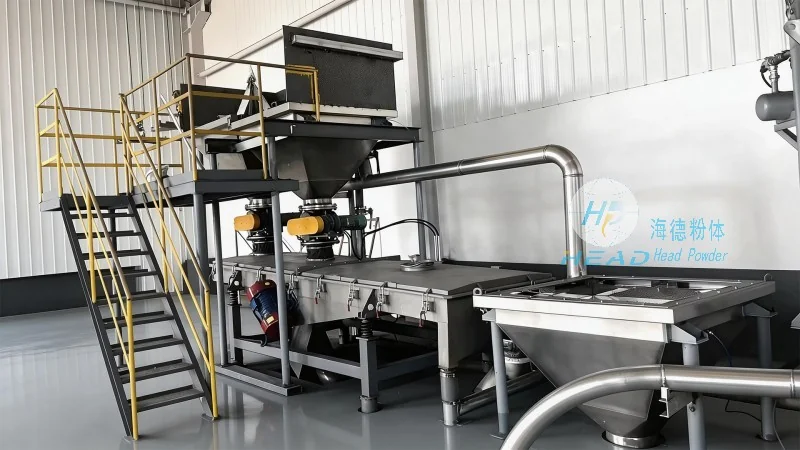
Understanding the Bulk Bag Unloading Station Material Pneumatic Conveying System
A bulk bag unloading station material pneumatic conveying system is a specialized equipment setup designed to facilitate the safe and efficient transfer of bulk materials from flexible intermediate bulk containers (FIBCs), commonly known as ton bags or super sacks, into processing equipment such as silos, hoppers, or conveyor systems. The system typically integrates several key components, including a bulk bag unloader, a pneumatic conveying line, and a dust collection system. The primary goal is to minimize manual handling, reduce material spillage, and enhance overall operational safety and productivity.
At the heart of this system is the bulk bag unloader, which is responsible for opening the top of the bag and allowing the material to flow into the conveying line. The unloader may feature a hopper or a discharge chute that connects directly to the pneumatic conveying equipment. The pneumatic conveying system then uses compressed air or other gases to transport the material through a pipeline to the desired destination. This method is particularly advantageous for handling fine powders, granules, or other bulk materials that are prone to dust or require controlled flow.
Key Components and Their Functions
The effectiveness of a bulk bag unloading station material pneumatic conveying system depends on the proper integration of several key components. Each component plays a critical role in ensuring the system operates efficiently and safely. The main components include:
Bulk Bag Unloader: This is the primary device used to open and empty the bulk bag. It may feature a mechanical or pneumatic mechanism to cut or tear the bag's top, allowing the material to fall into the discharge hopper. The unloader is designed to handle various bag sizes and materials, ensuring compatibility with different bulk bag types.
Pneumatic Conveying Line: This component consists of a pipeline system that transports the material from the unloader to the processing equipment. The line is typically made of materials like stainless steel or plastic, chosen based on the material being conveyed and its properties. The conveying line may include components such as elbows, tees, and filters to ensure smooth material flow and prevent blockages.
Dust Collection System: Since many bulk materials are powdery or dusty, a dust collection system is essential to maintain air quality and prevent environmental contamination. This system typically includes a filter or cyclone separator that captures dust particles from the conveying air, allowing clean air to be released back into the environment.
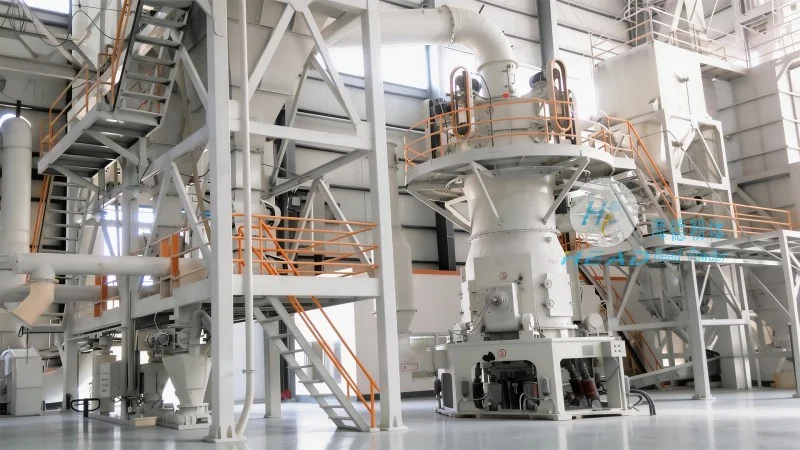
Control Panel and Sensors: Modern bulk bag unloading stations often include a control panel with sensors and automation features. These components help monitor the system's operation, detect any issues such as blockages or low material levels, and adjust the conveying process as needed. Automation enhances efficiency and reduces the need for manual intervention.
Design Principles for Optimal Performance
The design of a bulk bag unloading station material pneumatic conveying system follows several key principles to ensure optimal performance, safety, and longevity. These principles are tailored to the specific material being handled and the operational requirements of the facility. The main design considerations include:
Material Compatibility: The system's components must be compatible with the bulk material being conveyed. This includes considering the material's particle size, density, moisture content, and any potential abrasive or corrosive properties. For example, materials like cement, flour, or plastic pellets may require different conveying methods or equipment materials to prevent wear and tear.
Flow Rate and Pressure Management: The design must ensure that the conveying system operates at an appropriate flow rate and pressure to maintain consistent material transfer. Excessive pressure can lead to material degradation or equipment damage, while insufficient pressure may result in incomplete transfer or blockages. Proper pressure control is achieved through the use of regulators and valves that adjust the air flow as needed.
System Sizing and Capacity: The system's capacity must be matched to the production requirements of the facility. This involves calculating the required conveying rate based on the material's bulk density and the desired throughput. Proper sizing ensures that the system can handle the expected volume of material without overloading or underutilizing the equipment.
Safety and Environmental Considerations: Safety is a top priority in the design of any material handling system. The bulk bag unloading station must incorporate features such as emergency stop buttons, interlocks, and protective enclosures to prevent accidents. Additionally, the dust collection system must meet environmental regulations to minimize air pollution and ensure compliance with local and national standards.
Applications and Benefits
Bulk bag unloading station material pneumatic conveying systems are widely used in various industries, including food processing, pharmaceuticals, chemicals, and mining. The benefits of using such a system include:
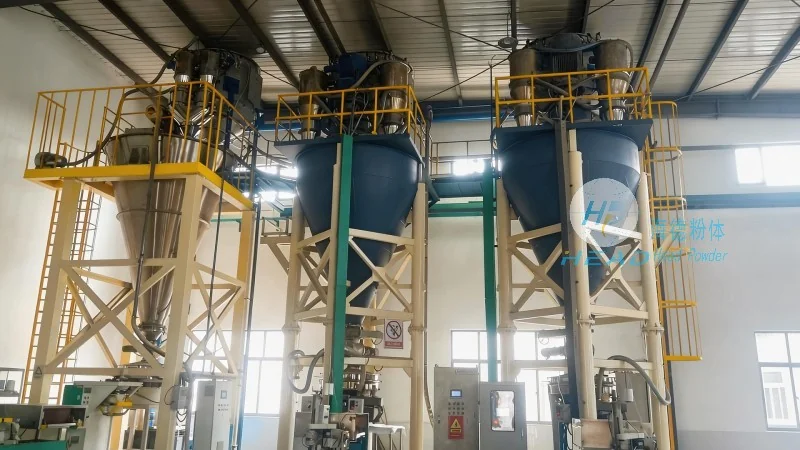
Increased Efficiency: By automating the material transfer process, the system reduces the time and labor required for manual handling, leading to higher throughput and improved productivity.
Reduced Material Loss: The enclosed design of the system minimizes material spillage and loss, which not only saves costs but also improves workplace safety by reducing the risk of dust exposure.
Improved Safety: The system eliminates the need for workers to handle heavy bulk bags manually, reducing the risk of injuries such as back strains or falls. The enclosed conveying line also prevents dust from spreading into the workplace, improving air quality and reducing health risks.
Enhanced Product Quality: By controlling the material flow and minimizing exposure to air, the system helps maintain the quality of the bulk material, preventing caking or degradation that can occur with manual handling.
Flexibility and Scalability: The modular design of the system allows it to be customized to meet the specific needs of different facilities. It can be scaled up or down to accommodate changes in production volume, and components can be added or replaced as needed.
Conclusion
A bulk bag unloading station material pneumatic conveying system is a sophisticated and efficient solution for handling bulk materials in industrial settings. By integrating advanced components and following sound design principles, this system ensures reliable material transfer, enhanced safety, and improved operational efficiency. Shandong HeadPowder Engineering Co., Ltd. specializes in the design, manufacturing, and installation of such systems, leveraging years of experience to deliver high-quality solutions tailored to the unique needs of each client. Whether for new installations or system upgrades, their expertise ensures that facilities can achieve optimal performance and meet their production goals.