

What is a Limestone Material Pneumatic Conveying Machine? And What Are Its Design Principles?
Understanding the Limestone Material Pneumatic Conveying Machine and Its Design Principles
Introduction to Limestone Material Pneumatic Conveying Systems
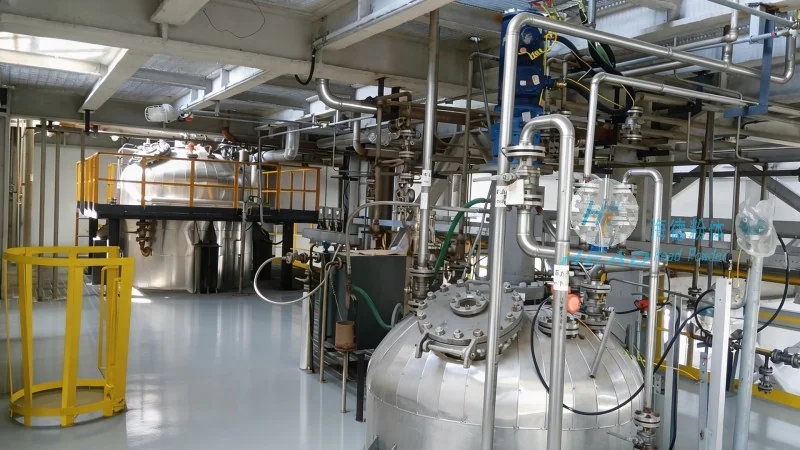
Limestone material pneumatic conveying machines are specialized industrial equipment designed to transport limestone particles or powders through a pipeline using air or other gas as the conveying medium. This technology offers an efficient and flexible solution for handling limestone materials, which are widely used in various industries such as construction, cement production, and chemical processing. The primary function of these machines is to move limestone from its source to processing or storage locations without the need for mechanical components like belts or buckets, making them ideal for applications where traditional bulk material handling methods may be impractical or inefficient.
Core Components and Working Principle
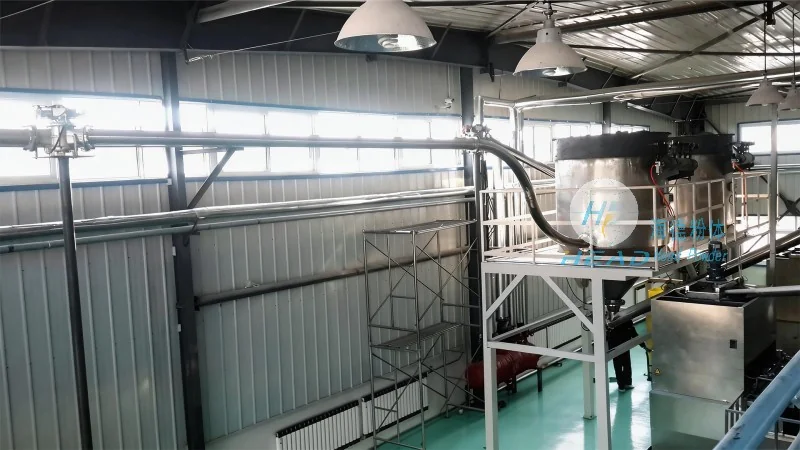
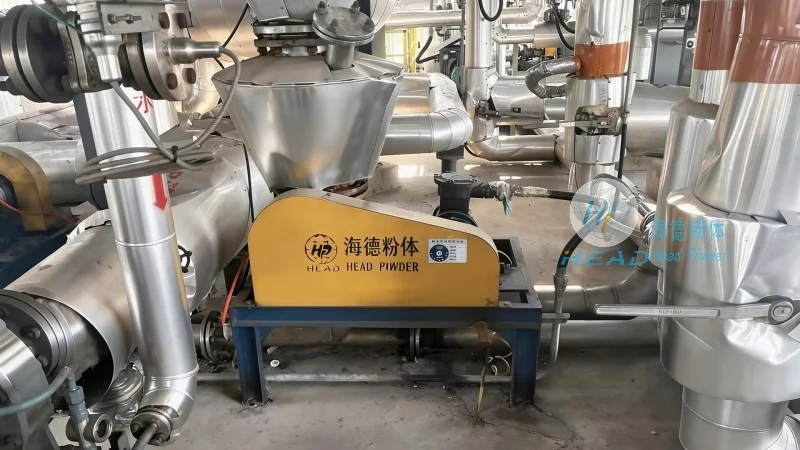
The design of a limestone material pneumatic conveying machine typically involves several key components that work in concert to achieve material transport. The main parts include a hopper for material storage, a feeder to control the flow of limestone into the system, a pipeline network that transports the material, a fan or blower to generate the necessary air pressure, and a receiver or discharge unit where the material is deposited. The working principle revolves around creating a pressure differential within the pipeline. When the fan operates, it draws air into the system and forces it through the pipeline, carrying the limestone particles along with it. The air velocity must be sufficient to overcome the gravitational force and frictional resistance of the particles, ensuring stable and continuous transport. The design must consider factors like particle size, density, and moisture content of the limestone, as these characteristics affect the required air velocity and pressure to achieve effective conveying.
Design Considerations for Efficient Limestone Conveying
Designing an effective limestone material pneumatic conveying system requires careful consideration of several technical aspects to ensure optimal performance and reliability. One critical factor is the selection of the appropriate conveying method, which can be categorized as either dilute-phase or dense-phase. Dilute-phase systems operate at higher air velocities, typically transporting particles in a dispersed state, while dense-phase systems use lower air velocities to move material in a more concentrated stream. The choice between these methods depends on the specific characteristics of the limestone and the distance it needs to be conveyed. For limestone with larger particle sizes or higher density, a dense-phase system may be more suitable to prevent particle degradation or blockages. Additionally, the pipeline layout and diameter are crucial design elements. The diameter must be large enough to accommodate the limestone particles without causing excessive pressure drop or particle attrition. The pipeline is often equipped with bends, valves, and other fittings that are designed to minimize pressure losses and maintain the integrity of the material stream. Material handling experts from Shandong HeadPowder Engineering Co., Ltd. emphasize that proper design of these components is essential to prevent system inefficiencies, such as clogging or reduced conveying capacity.
Advantages of Using Pneumatic Conveying for Limestone
Implementing a limestone material pneumatic conveying machine offers several advantages over traditional mechanical conveying methods. One of the most significant benefits is the ability to transport limestone in a dust-free environment, which enhances workplace safety and reduces the risk of inhalation of fine particles. This is particularly important in industries where limestone dust can pose health hazards. Additionally, pneumatic conveying systems are highly flexible, allowing for changes in material flow direction or destination without the need for extensive reconfiguration of the system. They can also handle a wide range of limestone particle sizes and moisture contents, making them suitable for diverse applications. The absence of moving parts in the conveying line reduces maintenance requirements and operational downtime compared to systems with mechanical components like conveyors or elevators. Furthermore, pneumatic conveying can be integrated with other processing equipment, such as crushers or mixers, to create a seamless material handling workflow. The efficiency of these systems in moving limestone over long distances with minimal energy consumption also contributes to cost savings for industrial operations.
Applications and Industry Use Cases
Limestone material pneumatic conveying machines are widely utilized across various industries due to their versatility and efficiency. In the cement industry, for example, these machines are used to transport limestone raw materials from storage silos to the cement production plant, ensuring a continuous supply of raw materials for the manufacturing process. The construction industry also benefits from these systems, as they can efficiently move limestone aggregates for concrete production or road construction projects. In chemical processing, limestone is often used as a raw material or filler in the production of various products, and pneumatic conveying machines facilitate the transport of these materials between processing stages. The ability to handle large volumes of limestone quickly and reliably makes these systems indispensable in many industrial settings. Companies like Shandong HeadPowder Engineering Co., Ltd. have developed specialized solutions tailored to the unique requirements of different limestone applications, ensuring that their clients can achieve optimal performance and cost-effectiveness.
Conclusion and Key Takeaways
In summary, limestone material pneumatic conveying machines are advanced industrial solutions designed to efficiently transport limestone particles using air as the conveying medium. The design principles behind these systems focus on creating a stable pressure differential, selecting appropriate components based on material characteristics, and optimizing pipeline layout for minimal pressure loss. The advantages of using pneumatic conveying include dust-free operation, flexibility, reduced maintenance, and integration with other processing equipment. These systems are widely applied in industries such as cement production, construction, and chemical processing, where reliable and efficient material handling is critical. By understanding the core components and design considerations, industries can leverage the benefits of pneumatic conveying to enhance their operational efficiency and safety. Shandong HeadPowder Engineering Co., Ltd. continues to provide innovative solutions in this field, helping clients achieve their material handling needs with precision and reliability.